Aquatic ecosystems, from tranquil ponds to vast lakes, are vibrant hubs of biodiversity, largely shaped by the plant life they sustain. These submerged and emergent flora play a pivotal role in maintaining the delicate balance of their environments, influencing everything from water quality to habitat provision. However, this natural equilibrium is under constant threat from various factors, most notably the silent ecological war waged by invasive alien plant species. Understanding the dual nature of plant life – the nurturing contributions of native species like the graceful water lily versus the destructive dominance of invaders – is crucial for preserving the health and resilience of our invaluable aquatic habitats.
Water Lilies Unveiled: Pillars of Aquatic Ecosystem Balance
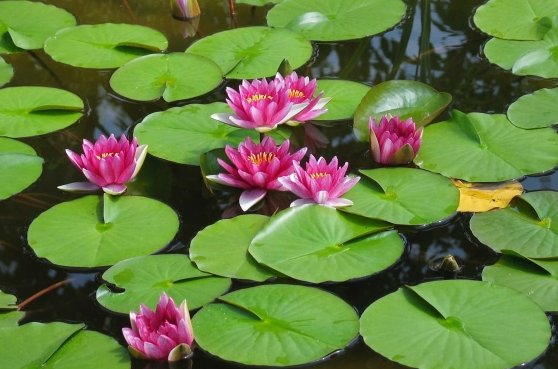
Water lilies (Nymphaeaceae) are more than just beautiful adornments to ponds and lakes; they are fundamental components of aquatic ecosystems, acting as critical indicators of environmental health and providing a myriad of ecological services. These perennial aquatic plants, with their distinctive large, floating leaves and often showy flowers, are anchored by robust rhizomatous root systems in the sediment below the water’s surface, creating a complex and vital underwater landscape.
Anatomy and Habitat: A Foundation for Life
The unique structure of water lilies allows them to thrive in still or slow-moving freshwater environments. Their broad, circular leaves float on the surface, maximizing sunlight absorption for photosynthesis, while their long, flexible stems connect them to nutrient-rich sediment. This architectural design creates distinct microhabitats within the aquatic environment, offering different zones for various organisms to inhabit. The dense network of their submerged stems and roots provides structural complexity that is essential for the survival of countless species.
Multifaceted Ecological Contributions
The presence of water lilies signifies a healthy aquatic environment, as they actively contribute to its stability and biodiversity through several key mechanisms.
- Habitat and Shelter Provision: The dense canopy of water lily leaves offers crucial shade and shelter, protecting smaller fish, amphibians, and a vast array of invertebrates from predators and harsh sunlight. The underwater stems and roots serve as breeding grounds and nurseries, providing safe havens for juvenile aquatic life to grow and develop. This intricate vegetation creates a biodiverse sanctuary, supporting a rich tapestry of life.
- Natural Water Purification and Oxygenation: Water lilies are natural biofilters. Their extensive root systems are highly efficient at absorbing excess nutrients such as nitrogen and phosphorus from the water and sediment. This nutrient uptake helps to mitigate eutrophication, a process where excessive nutrient loads lead to harmful algal blooms and oxygen depletion. Furthermore, the broad leaves shade the water surface, reducing water temperature fluctuations and inhibiting the growth of undesirable algae, thereby improving overall water clarity and quality. Through photosynthesis, water lilies release vital oxygen into the water, sustaining other aquatic organisms.
- Food Web Support and Erosion Control: Beyond providing shelter, water lilies are a direct food source for various aquatic and terrestrial animals. Their seeds, tubers, and leaves are consumed by waterfowl, certain mammals, and numerous insect species, integrating them directly into the aquatic food web. Additionally, the robust root systems of water lilies play a significant role in stabilizing bottom sediments, preventing
Ecology guide note: This article is general plant, bird, gardening, and ecology commentary. It is not veterinary advice, medical advice, environmental compliance advice, professional land-management guidance, product testing, or a guarantee of animal welfare, plant growth, ecological impact, or health outcomes.Herbal and health note: Medicinal herbs, supplements, traditional medicine, hormonal balance, ailments, and wellness references are historical or educational context only. They are not medical advice, diagnosis, treatment, prescriptions, supplement recommendations, or safety guarantees. Consult qualified clinicians before using herbs, supplements, or traditional remedies, especially with pregnancy, medications, allergies, or health conditions.Conservation context note: Ocean, climate, ecosystem health, citizen science, pollution, mining, and sustainable travel topics are educational context. They are not legal advice, environmental-impact certification, policy direction, scientific sampling protocol, or a substitute for qualified conservation, regulatory, or safety professionals.

Related Posts