The Mechanics of Flight and Aerial Mastery
The avian world is defined by the miracle of flight, a complex biological process that varies significantly across species. From the synchronized murmuration of starlings to the unique reverse-flight capabilities of hummingbirds, birds have evolved specialized physiological structures to conquer the skies.
The Physics of Starling Murmurations
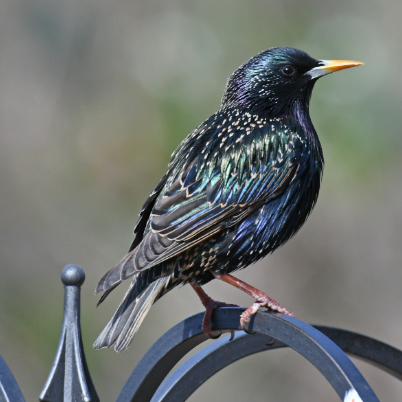
Starlings demonstrate an incredible collective intelligence. When thousands take flight, they move as a single, fluid organism. This is not dictated by a leader, but by local interaction rules where each bird monitors its nearest neighbors to maintain cohesion and avoid collisions, resulting in the breathtaking “moving painting” effect seen in the sky.
Hummingbird Aerodynamics
Hummingbirds are the only avian species capable of sustained backward flight. This is achieved through a unique wing structure that allows them to generate lift on both the forward and backward strokes. Their rapid wing beats, often reaching 80 times per second, require a metabolic rate that is among the highest in the vertebrate world.

Avian Intelligence and Evolutionary Adaptations
Birds are far more than simple creatures of instinct. Many species exhibit high-level cognitive functions, including problem-solving and complex social structures that mirror human-like behaviors.
The Cognitive Prowess of Magpies
Often misunderstood, the magpie possesses a high degree of intelligence, capable of recognizing itself in mirrors—a hallmark of self-awareness. They utilize complex social communication and can even remember human faces, demonstrating an ability to navigate intricate social environments.
Evolutionary Display: The Peacock
The peacock’s tail is a masterclass in sexual selection. Beyond their aesthetic beauty, these displays serve as an evolutionary signal of genetic fitness. The “dazzling disguise” of their plumage is a carefully crafted biological advertisement intended to attract mates while simultaneously confusing potential predators through shimmering optical illusions.

Keeping and Training Avian Companions
For those interested in avian husbandry, the journey ranges from the gentle companionship of lovebirds to the disciplined training of high-performance racing pigeons and falcons.
Training Racing Pigeons
Raising a champion pigeon requires more than just a loft; it requires a strict regimen of nutritional management and consistent flight conditioning. Success depends on the bird’s homing instinct, which must be nurtured through gradual distance training.
The Commitment of Falconry
Raising a falcon is a rigorous pursuit that demands deep respect for the bird’s predatory nature. It is not merely “owning a pet” but forming a partnership based on mutual trust and the careful preservation of the bird’s wild instincts.
| Bird Type | Best Environment | Primary Care Focus |
|---|---|---|
| African Lovebirds | Indoor Avian Habitat | Social Interaction |
| Racing Pigeons | Outdoor Loft | Flight Conditioning |
| Sunbirds | Flowering Enclosure | Nectar-based Diet |

Species Spotlight: From Bluebirds to Mandarin Ducks
Different environments dictate the distinct behaviors of avian species. Understanding these nuances is key to bird watching and successful conservation efforts.
Mandarin Ducks: Beyond Symbolism
While often viewed as symbols of eternal love, Mandarin ducks are biologically fascinating. Their complex courtship rituals and specific nesting requirements in hollow tree cavities make them a vital subject for wetland conservation.
The Bluebird’s Song
Bluebirds serve as indicators of ecosystem health. Their presence in a habitat is often linked to the availability of specific nesting cavities and insect populations. Protecting their environment ensures the survival of these vibrant, song-filled species.
Frequently Asked Questions (FAQ)
- Q1: Why do starlings fly in such large, coordinated groups?
- This behavior, known as a murmuration, is a defensive strategy. By moving in a dense, shifting mass, they make it difficult for individual predators to target a single bird.
- Q2: How do I begin training a racing pigeon?
- Training begins with “loft flying,” where the bird becomes familiar with its home. Once established, you introduce short-distance “tosses,” gradually increasing the distance to build stamina and navigational skills.
- Q3: Are hummingbirds difficult to keep as pets?
- Hummingbirds are generally not suitable as pets. They have extremely high metabolic needs, requiring a constant supply of specialized nectar and significant flight space that is difficult to replicate in a home environment.
- Q4: What makes the magpie considered an intelligent bird?
- Magpies demonstrate tool use, complex social play, and the ability to distinguish individuals. Their ability to pass the “mirror test” indicates a level of self-recognition shared by very few animal species.

Related Posts