The Enchanting World of Finches: An Introduction to Avian Diversity
Finches, a broad and captivating group of passerine birds belonging to the family Fringillidae, represent a kaleidoscope of avian diversity, renowned for their vibrant plumage, melodious songs, and energetic demeanor. Found across nearly every continent, from the dense forests of the Amazon to the arid plains of Australia, these small birds have adapted to a myriad of environments, showcasing remarkable evolutionary success. Their appeal to humans as pets and subjects of scientific study stems from their manageable size, relatively easy care, and the sheer delight they bring with their constant activity and vocalizations. This comprehensive guide aims to unravel the intricate tapestry of the finch world, providing an exhaustive resource for enthusiasts and prospective owners alike.
Defining Characteristics of Finches
While finches encompass a vast array of species, several overarching characteristics unite them. Typically, they are small-to-medium-sized birds, generally measuring between 10 to 25 centimeters (4 to 10 inches) in length. Their most distinctive feature is often their conical, strong beak, perfectly adapted for cracking seeds, which form the bulk of their diet. However, beak size and shape can vary significantly between species, reflecting specialized dietary preferences. Beyond their physical traits, finches are known for their social nature, often living in flocks, and their ability to produce complex vocalizations, ranging from simple chirps to elaborate songs that serve various communicative purposes.
- Beak Morphology: The robust, conical beak is a hallmark, designed for efficient seed consumption. Variations exist, such as the slender beak of the Common Redpoll for smaller seeds or the thicker beak of a Hawfinch for larger, tougher nuts.
- Plumage: Many finch species exhibit striking sexual dimorphism, with males often displaying brighter, more elaborate coloration to attract mates, while females possess more subdued hues for camouflage.
- Habitat Adaptability: From tropical rainforests to temperate woodlands and even urban gardens, finches demonstrate incredible adaptability, thriving in diverse ecosystems globally.
- Social Behavior: Most finches are highly social birds, forming flocks outside of breeding season. This communal living offers protection against predators and facilitates foraging.

Diving Deep into Finch Species: Red Striated, Zebra, and Yellow Varieties
The vast finch family includes thousands of species, each with its own unique charm and specific needs. Understanding the distinctions between popular varieties is crucial for appreciation and proper care. Here, we delve into three prominent and captivating examples: the Red Striated Finch, the Zebra Finch, and the diverse group of Yellow Finches.
The Allure of the Red Striated Finch: A Feathered Gem
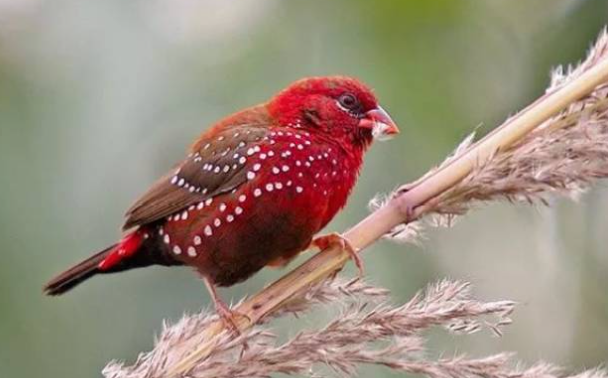
The Red Striated Finch, often admired for its striking plumage, truly lives up to its moniker as “the little red dress of the feather world.” These birds possess a captivating blend of deep red and brown striations, creating a visually stunning effect that makes them stand out in any aviary. Originating from specific regions in Asia, they thrive in environments that mimic their natural habitat, which typically involves dense vegetation and access to water sources. Their temperament is generally docile, making them suitable for mixed aviaries, though individual personalities can vary. They are known for their relatively quiet chirps compared to some other finch species, adding to their gentle appeal.
- Appearance: Characterized by rich reddish-brown feathers with distinct darker striations across their back and flanks, often with a lighter belly.
- Natural Habitat: Typically found in grasslands, shrublands, and forest edges of Southeast Asia, preferring areas with tall grasses for nesting and foraging.
- Temperament: Generally peaceful and shy, they prefer to keep to themselves but can coexist harmoniously with other non-aggressive finch species.
- Dietary Nuances: While primarily granivorous, they benefit from a varied diet including small seeds, millet, and occasional insect protein, especially during breeding season.
Chirping Everyday: The Joy and Characteristics of Zebra Finches
Zebra Finches are arguably one of the most popular finch species kept as pets, and for good reason. Their vibrant personalities, constant chirping, and relatively straightforward care make them an excellent choice for both beginners and experienced bird keepers. Native to Australia, these robust little birds are renowned for their social nature, always bustling with activity. Males are easily identified by their bright orange cheek patches and zebra-like stripes on their throat and chest, while females have more subdued coloring. Their vocalizations are a continuous symphony of chirps, beeps, and soft calls, creating a lively atmosphere.
- Social Dynamics: Zebra Finches are highly gregarious and thrive in groups. Keeping them in pairs or small flocks is essential for their psychological well-being. Isolation can lead to stress and health issues.
- Vocalization: Their continuous, cheerful chirping is a defining characteristic. Males also engage in courtship songs, which are simple but endearing.
- Breeding: They are prolific breeders, and given the right conditions, can raise multiple clutches in a year. This makes them fascinating subjects for observing avian family life.
- Care Specifics: Requires a spacious cage to accommodate their active nature, a balanced seed mix supplemented with greens, and a consistent supply of fresh water for drinking and bathing.
Yellow Finches in the Sun: Symbolism and Species Diversity
Yellow Finches, while not a single species, represent a broad category of finches characterized by their prominent yellow plumage, often symbolizing lightness, joy, and freedom. This group includes well-known species such as the American Goldfinch, various Siskins, and certain Canary species, all of whom share the vibrant yellow hue to varying degrees. Their presence, whether in a backyard garden or an indoor aviary, brings a splash of sunshine and an uplifting energy. Many yellow finches are migratory, with their plumage often changing intensity with the seasons, becoming brighter during breeding periods.
- Symbolism: Often associated with happiness, optimism, and the arrival of spring or summer due to their bright coloration.
- Species Examples: Key examples include the American Goldfinch (known for its brilliant yellow male plumage in summer), various Siskin species (often with yellow and black markings), and certain Canary varieties selectively bred for intense yellow colors.
- Dietary Preferences: Many yellow finches, particularly goldfinches, show a strong preference for thistle seeds (niger seed), but their diet also includes other small seeds, insects, and plant matter.
- Habitat: Found in diverse habitats ranging from open fields and meadows to suburban gardens and forest edges, depending on the specific species.

Understanding Finch Behavior, Communication, and Social Dynamics
To truly appreciate finches and provide optimal care, it is essential to delve into their complex behavioral patterns, the nuances of their communication, and the intricate social structures that govern their lives. Finches are not merely decorative birds; they are intelligent, interactive creatures with distinct needs and fascinating rituals.
The Language of Chirps and Songs: Finch Vocalizations
Finch vocalizations are far more than mere noise; they constitute a sophisticated communication system. Different calls convey distinct messages, ranging from alarm signals to contact calls, territorial warnings, and courtship songs. For instance, the incessant chirping of Zebra Finches is a constant contact call, reinforcing flock cohesion and individual presence. Males of many species, including Zebra Finches, develop unique songs through learning from their fathers or other adult males, a process critical for attracting mates. The complexity and variation in these songs can be indicators of male fitness and territorial prowess.
- Alarm Calls: Sharp, distinct notes used to warn the flock of potential predators. These often lead to immediate evasive action or freezing.
- Contact Calls: Repetitive, less urgent chirps or whistles used to maintain communication within a flock, especially during foraging or when separated.
- Territorial Songs: More elaborate songs, typically performed by males, to establish and defend breeding territories, signaling their presence to rivals and potential mates.
- Courtship Songs: Specific vocalizations used by males during courtship displays to attract and bond with a female. These songs can be unique to an individual male.
Social Structures and Interactions within Finch Flocks
Most finch species are highly social, a trait that offers numerous evolutionary advantages. Living in flocks provides safety in numbers, as more eyes can spot predators, and collective foraging can be more efficient. Within these flocks, finches exhibit a range of social interactions, from cooperative feeding to hierarchical pecking orders. During breeding season, pairs often separate from the larger flock to establish territories, but even then, they may remain in close proximity to other breeding pairs of their species. Understanding these dynamics is crucial when housing finches, as solitary confinement can be detrimental to their psychological health.
- Flocking Behavior: Provides enhanced predator detection, improved foraging efficiency, and social stimulation. Finches often roost communally.
- Pair Bonding: Many finch species form strong monogamous pair bonds, especially during breeding season, with both parents typically involved in nest building, incubation, and raising chicks.
- Hierarchy: While generally peaceful, subtle dominance hierarchies can exist within flocks, often related to access to food or preferred perching spots. Aggression is usually ritualized and rarely results in serious injury.
- Allopreening: Mutual preening, or allopreening, is a common social behavior among bonded pairs or flock members, strengthening social bonds and helping maintain plumage.

Mastering Finch Care: A Detailed Guide to Health, Housing, and Diet
Providing optimal care for finches involves a holistic approach that encompasses appropriate housing, a balanced diet, diligent health monitoring, and environmental enrichment. Overlooking any of these aspects can lead to stress, illness, and a diminished quality of life for these delicate birds. This section offers an exhaustive breakdown of essential care practices.
Creating the Ideal Finch Habitat: Cages and Aviaries
The choice of housing is paramount for finches. Given their energetic nature, a cage that allows for flight is far superior to a small, restrictive one. For a single pair of small finches like Zebra Finches, a minimum cage size of 24 inches long, 12 inches wide, and 16 inches high is recommended, but larger is always better. For multiple pairs or mixed species, an aviary (indoor or outdoor, weather permitting) provides the best environment, allowing for natural flight patterns and social interaction. Cage bars should be spaced appropriately to prevent escape or injury, typically no more than 1/2 inch apart for smaller finches.
- Cage Size: Prioritize width and length over height to allow for horizontal flight. Multi-level cages are less crucial than expansive single-level ones.
- Perches: Offer a variety of natural branches of different diameters (e.g., fruit tree branches) to promote foot health and prevent pressure sores. Avoid dowel perches exclusively.
- Location: Place the cage in a quiet area of the home, away from drafts, direct sunlight, and loud noises. A consistent temperature is vital.
- Accessories: Include food and water dishes (preferably ceramic or stainless steel for hygiene), a cuttlebone or mineral block, and a shallow bird bath.
Nutritional Excellence: A Balanced Diet for Thriving Finches
While finches are primarily seed-eaters, an exclusive seed diet is nutritionally incomplete and can lead to deficiencies. A balanced diet is crucial for their longevity and vibrant health. The foundation should be a high-quality finch seed mix, but this must be generously supplemented with fresh vegetables, fruits, and protein sources. Grit should be provided in small amounts to aid digestion, and a calcium source like cuttlebone is essential, especially for breeding females.
- Quality Seed Mix: Choose a mix specifically formulated for finches, low in fatty seeds like sunflower, and ensure it is fresh.
- Fresh Produce: Offer a daily rotation of dark leafy greens (kale, spinach, romaine), finely chopped vegetables (carrots, bell peppers, broccoli), and small amounts of fruit (apple, berries). Always wash thoroughly.
- Protein Sources: During breeding or molting, offer occasional sources like hard-boiled egg (mashed), mealworms, or specialized insectivore pellets.
- Grit and Calcium: Provide fine bird grit separately, as well as a cuttlebone or mineral block for calcium and trace minerals.
Maintaining Health and Preventing Common Ailments
Proactive health management is key to preventing serious issues in finches. Regular observation of their behavior, droppings, and appearance can help detect problems early. Common ailments can include respiratory infections, parasites (internal and external), and nutritional deficiencies. A clean environment is the first line of defense against many illnesses.
- Hygiene: Daily cleaning of food/water dishes and spot cleaning of the cage bottom. Weekly deep cleaning of the entire cage, perches, and accessories.
- Observation: Watch for signs of illness such as lethargy, fluffed feathers, discharge from eyes/nares, changes in droppings, loss of appetite, or difficulty breathing.
- Quarantine: Always quarantine new birds for at least 30 days before introducing them to an existing flock to prevent disease transmission.
- Veterinary Care: Establish a relationship with an avian veterinarian for annual check-ups and in case of illness.

The Profound Joy and Benefits of Keeping Finches as Companions
Beyond their aesthetic appeal and captivating behaviors, keeping finches offers a unique and profound sense of joy and numerous benefits for their human companions. Their presence can enrich a home, provide educational opportunities, and even contribute to a sense of well-being. The subtle interactions and constant activity of a finch flock create a dynamic and living centerpiece that is endlessly fascinating.
Observation and Companionship: A Window into the Avian World
Finches, while not typically hand-tame in the way parrots might be, offer a different kind of companionship. Their joy comes from observing their natural behaviors within their habitat. Watching a pair of Zebra Finches build a nest, a Red Striated Finch meticulously preen its feathers, or a Yellow Finch flit gracefully across an aviary provides a constant source of entertainment and a connection to the natural world. Their consistent chirping and movement can fill a quiet home with life and energy, providing a soothing background presence that many find calming and uplifting.
- Stress Reduction: The gentle sounds and movements of finches can have a calming effect, contributing to a reduction in stress and anxiety.
- Educational Value: Observing finches allows for a direct understanding of avian biology, behavior, and ecology, making them excellent educational tools for children and adults alike.
- Daily Rituals: Caring for finches establishes a daily routine, which can provide structure and a sense of purpose.
- Sensory Enrichment: Their vibrant colors and soft vocalizations offer constant sensory engagement without being overwhelming.
Creating a Vibrant and Enriching Environment
The joy of keeping finches is magnified when you create an environment that caters to their natural instincts and promotes their well-being. This goes beyond just a cage and food; it involves thoughtful enrichment that encourages natural behaviors. Providing opportunities for foraging, bathing, nesting, and social interaction ensures that your finches are not just surviving, but thriving. This active engagement in their care deepens the bond and enhances the overall experience for both the birds and their owners.
- Foraging Opportunities: Hide seeds in foraging toys or sprinkle them in safe, clean substrate to encourage natural foraging behaviors, stimulating their minds.
- Bathing Stations: Finches love to bathe. Provide shallow dishes of fresh water daily, or specialized bird baths, to allow them to maintain their plumage.
- Nesting Materials: Even if not breeding, providing nesting material (e.g., coconut fiber, shredded paper) can offer enrichment and a sense of security.
- Environmental Variety: Regularly change perch arrangements, introduce new safe toys, and offer different types of natural branches to prevent boredom.
Conclusion: The Enduring Charm of Finches
The world of finches is one of unparalleled beauty, energy, and intricate life. From the vivid reds of the Red Striated Finch to the boisterous chirps of the Zebra Finch and the sunny disposition of Yellow Finches, each species offers a unique glimpse into avian wonder. As detailed in this comprehensive guide, understanding their specific needs in terms of habitat, diet, and social interaction is paramount to ensuring their health and happiness. By embracing the principles of exhaustive care and thoughtful enrichment, finch enthusiasts can cultivate a profound connection with these delightful birds, experiencing the enduring joy and vibrant life they bring to any home. Their tiny bodies encapsulate grace, energy, and a constant reminder of the simple beauty found in the natural world.
Frequently Asked Questions (FAQ)
- Q1: What is the ideal cage size for a pair of Zebra Finches?
- For a pair of Zebra Finches, a minimum cage size of 24 inches long, 12 inches wide, and 16 inches high is recommended. However, finches are very active flyers, so a larger cage or an aviary that allows for more extensive flight is always preferable to ensure their physical and mental well-being. Adequate space prevents stress and promotes natural behaviors.
- Q2: Can different species of finches be housed together in the same aviary?
- Yes, many finch species can be housed together in a mixed aviary, provided there is ample space and compatible temperaments. Peaceful species like Zebra Finches, Society Finches, and various Waxbills often coexist well. However, it’s crucial to avoid housing overly aggressive or territorial species with more docile ones, especially during breeding season. Always introduce new birds cautiously and monitor interactions closely.
- Q3: What is the best diet for finches beyond just seeds?
- While seeds form the base, a finch’s diet must be supplemented with a variety of fresh foods. This includes dark leafy greens (kale, spinach, romaine), finely chopped vegetables (carrots, bell peppers, broccoli), and small amounts of fruit (apple, berries). Additionally, provide a high-quality finch pellet, a calcium source like cuttlebone or mineral block, and fine bird grit. During breeding or molting, offer occasional protein sources like hard-boiled egg or mealworms.
- Q4: How important is social interaction for finches?
- Social interaction is extremely important for most finch species, as they are naturally gregarious birds. Keeping finches alone can lead to loneliness, stress, and behavioral issues. It is highly recommended to keep finches in pairs or small flocks to allow them to engage in natural social behaviors like chirping, preening, and flocking, which are vital for their psychological health and overall happiness. Species like Zebra Finches particularly thrive in groups.
- Q5: What are common signs of illness in finches?
- Common signs of illness in finches include lethargy, fluffed-up feathers (indicating they are trying to stay warm), changes in droppings (e.g., watery, discolored), loss of appetite, discharge from the eyes or nares, labored breathing, prolonged silence, or a noticeable change in their usual active demeanor. Any deviation from normal behavior or appearance warrants immediate attention from an avian veterinarian.

Related Posts