Choosing a pet parrot is a long-term commitment that brings incredible joy, companionship, and intellectual stimulation into a home. These highly intelligent and social creatures are far more than just beautiful ornaments; they are complex beings with unique personalities and specific needs. From the cognitive prowess of the African Grey to the flamboyant energy of a Cockatoo, understanding the nuances of each species is the first step toward a rewarding relationship. This guide provides a deep dive into some of the most popular companion birds, offering detailed insights into their temperament, care requirements, and what makes each one a special addition to the right family.
The African Grey Parrot: A Paragon of Avian Intelligence
Often regarded as the “Einstein” of the bird world, the African Grey Parrot (Psittacus erithacus) is renowned for its extraordinary cognitive abilities and remarkable capacity for speech. Native to the rainforests of West and Central Africa, these birds possess an intelligence level often compared to that of a young human child. This makes them fascinating companions, but also ones that require a significant amount of mental stimulation to thrive.
Cognitive Abilities and Speech
The African Grey’s talent lies not just in mimicry, but in contextual understanding. Many have been documented using words in the correct context, identifying objects, colors, and shapes. This high level of intelligence means they are prone to boredom if left under-stimulated. An environment rich with foraging toys, puzzles, and regular interaction is not just a luxury but a necessity to prevent behavioral issues like feather plucking. Their ability to develop extensive vocabularies and communicate with their owners on a deeper level is a primary reason for their popularity.
Temperament and Social Needs
African Greys are known for being highly sensitive and empathetic birds. They form strong bonds with their primary caregivers and can become “one-person” birds if not properly socialized. Early and consistent socialization with all family members is crucial. They are emotionally complex and can be prone to stress, so a calm and stable household environment is ideal. While they are not overly cuddly compared to some other species, their bond is expressed through intricate communication and shared activities.

The Cockatoo Family: Energetic and Affectionate Companions
Cockatoos are the charismatic rock stars of the parrot world, instantly recognizable by their dramatic crests that rise and fall with their emotions. This family includes several popular pet species, each with a larger-than-life personality. They are known for being extremely affectionate and social, often demanding a great deal of attention from their owners. Their need for interaction is profound, stemming from their life in tight-knit flocks in the wild.
The Moluccan Cockatoo: The Fashionable Cuddler
With its stunning peach-colored plumage and impressive crest, the Moluccan Cockatoo is a true showstopper. They are often described as “velcro birds” because they crave constant physical contact and affection. While this makes them incredibly endearing, it also means they are highly susceptible to separation anxiety. Prospective owners must be prepared to dedicate significant time to them daily. They are also among the loudest of all parrots, a factor that must be considered in most living situations.
The White Cockatoo: A Bundle of Energy
The White Cockatoo, such as the Umbrella Cockatoo, shares the Moluccan’s need for affection but often presents it with even more boisterous energy. They are playful, comical, and love to be the center of attention. Their intelligence is sharp, and they excel at learning tricks and complex behaviors. A home with a White Cockatoo is never dull, but owners must provide a constant stream of toys, activities, and social time to keep their high energy channeled positively.
The Yellow-Tailed Black Cockatoo: A Majestic Rarity
A less common but equally magnificent species, the Yellow-Tailed Black Cockatoo is a large, impressive bird native to Australia. Their care is more specialized, and they are best suited for experienced aviculturists. Their diet in the wild consists of tough, woody seeds, requiring owners to provide plenty of hard, destructible materials to keep their powerful beaks in shape. They are known to be more independent than their white counterparts but still form strong, lifelong bonds.

Senegal Parrots: The Quiet Charmer with a Big Personality
For those seeking a parrot’s intelligence and personality in a more compact and quieter package, the Senegal Parrot (Poicephalus senegalus) is an excellent choice. Hailing from Africa, these “little green elves” are known for their relatively calm and steady disposition. While they can learn to talk, they are not known for screaming, making them much more suitable for apartment living than larger, louder species.
Temperament and Playfulness
Senegal Parrots are often described as being a “big bird in a small bird’s body.” They are incredibly playful and can be quite comical, often enjoying lying on their backs or hanging upside down. They form deep bonds with their owners but tend to be more independent than a cockatoo. This balance makes them a great fit for owners who want an interactive pet but may not be able to provide constant, hands-on attention throughout the day. They are intelligent and require a variety of toys to keep them engaged.
Socialization and Handling
Like African Greys, Senegals can sometimes become bonded to a single person. It is vital to introduce them to various people and situations from a young age to foster a more adaptable and friendly adult bird. They are generally not nippy but will communicate their displeasure if they feel threatened or uncomfortable. Learning their body language is key to a successful relationship.

Conures and Macaws: A Spectrum of Size and Energy
The Americas are home to a vast and colorful array of parrot species, including the lively Conures and the majestic Macaws. While they vary greatly in size, they often share a reputation for being energetic, intelligent, and occasionally mischievous.
The Green-Cheeked Conure: A Splash of Fire
The Green-Cheeked Conure is a small parrot with a gigantic personality. They are known for their playful antics, boundless energy, and affectionate nature. While their vocalizations are not as loud as larger parrots, they are certainly not quiet, communicating with a series of chirps and squawks. They are highly intelligent and can learn a variety of tricks. Their small size makes them easier to house than larger species, but they require just as much out-of-cage time and interaction to stay happy and healthy.
The Red-Shouldered Macaw: The Mini Macaw
Often called the Hahn’s Macaw, the Red-Shouldered Macaw is the smallest of all macaw species. They offer the classic macaw personality—intelligent, engaging, and a bit mischievous—in a compact, conure-sized body. They are excellent talkers for their size and are known for being very social and trainable. They are a fantastic choice for someone who desires the macaw experience without the space and noise requirements of their larger cousins like the Scarlet or Blue-and-Gold Macaw.

Unique Companions: Monk Parakeets and Mynah Birds
Beyond the traditional parrot families, other species offer unique traits as companion animals. The Monk Parakeet stands out for its unique nesting behavior, while the Mynah Bird is a celebrated talker from an entirely different avian family.
The Monk Parakeet: Smart and Community-Oriented
Also known as the Quaker Parrot, the Monk Parakeet is famous for being the only parrot species that builds large, communal nests from sticks. In a home environment, this translates to a fascination with weaving and building. They are highly intelligent, social, and can become excellent talkers. They are known for their confident and sometimes stubborn personalities, requiring owners who can provide clear boundaries and consistent training.
The Mynah Bird: A Master of Mimicry
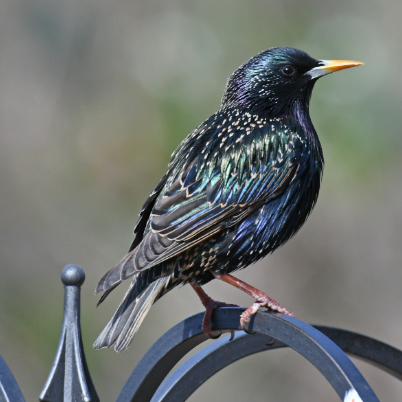
While not a parrot, the Mynah Bird is often included in discussions of talking birds due to its unparalleled ability to mimic human speech with stunning clarity. They belong to the starling family and are incredibly intelligent. Mynahs require a diet different from parrots, with a focus on low-iron soft foods and fruits. They are active and messy birds that need a large cage and plenty of interaction to thrive as pets.

Specialized Diets: The Case of the Lorikeet
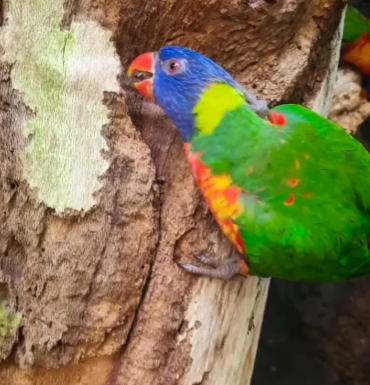
Not all parrots eat seeds and pellets. The Lorikeet is a perfect example of a bird with highly specialized dietary needs. In the wild, these vibrant birds feed on nectar, pollen, and soft fruits, and their digestive systems are adapted for this liquid diet. Their unique brush-tipped tongues are perfectly designed for lapping up nectar from flowers.
Essential Lorikeet Nutrition
In captivity, Lorikeets must be fed a commercial nectar-replacement formula. A seed-based diet is extremely dangerous and can lead to severe health problems and a shortened lifespan. Their diet can be supplemented with fresh, soft fruits like mango, papaya, and berries. Due to their liquid diet, their droppings are also liquid and can be quite messy, a practical consideration for any potential owner.
Temperament and Energy
Lorikeets are incredibly high-energy, playful, and comical birds. They are always on the move, and their antics are a constant source of entertainment. They are very social and thrive on interaction with their human flock, but their high-strung nature means they need plenty of toys and space to burn off their energy.
Frequently Asked Questions (FAQ)
- What is the most important factor when choosing a pet parrot?
- The most crucial factor is matching the bird’s personality, energy level, and noise level to your own lifestyle and living situation. A parrot’s lifespan can range from 20 to over 80 years, making it a lifelong commitment. Researching a specific species’ needs for social interaction, space, and diet is far more important than choosing based on color or appearance.
- Are bigger parrots always smarter than smaller ones?
- No, intelligence is not directly correlated with size. While large birds like the African Grey and Macaws are known for their cognitive abilities, smaller birds like the Monk Parakeet, Senegal Parrot, and Green-Cheeked Conure are also exceptionally intelligent, trainable, and capable of complex problem-solving. The key to unlocking any parrot’s intelligence is consistent training and mental stimulation.
- How much time do I need to spend with my parrot every day?
- This varies by species, but all parrots are social flock animals and require daily interaction. High-needs species like Cockatoos may require several hours of direct, hands-on attention. More independent species like the Senegal Parrot might be content with an hour or two of focused interaction. However, all pet parrots need a minimum of 3-4 hours of out-of-cage time in a safe, supervised environment each day.
- Can I keep a parrot in an apartment?
- Yes, but species selection is critical. Larger, louder species like Macaws and most Cockatoos are generally unsuitable for apartment living due to their powerful vocalizations. Smaller, quieter species are a much better fit. Consider a Senegal Parrot, Green-Cheeked Conure, or even a Monk Parakeet, but be aware that all birds will make some noise. It’s important to be considerate of your neighbors.
- What is the biggest mistake new parrot owners make?
- One of the biggest mistakes is underestimating the time, financial, and emotional commitment required. Parrots are not low-maintenance pets. They require specialized diets, expensive veterinary care from an avian specialist, large and appropriate housing, and a constant supply of toys to destroy. Failing to provide adequate mental stimulation and social interaction often leads to behavioral problems like screaming and feather plucking.

Related Posts