The health of any landscape begins beneath the surface. While many gardeners focus on seed selection and watering schedules, the fundamental driver of botanical success is the complex matrix of minerals, organic matter, and microorganisms known as soil. Understanding your soil type is not merely a technicality; it is the strategic foundation for sustainable gardening.
The Science of Soil: Why Composition Dictates Growth
Soil is a living, breathing ecosystem. At its core, soil is composed of four primary elements: mineral particles (45%), organic matter (5%), air (25%), and water (25%). The specific ratio of these components determines the soil’s structure, aeration, and ability to hold nutrients.
The Cation Exchange Capacity (CEC)
On a molecular level, soil particles act as a reservoir for nutrients. Clay and organic matter have a high Cation Exchange Capacity, meaning they can hold onto essential minerals like potassium, calcium, and magnesium, preventing them from leaching away during heavy rains. Understanding this “battery” effect helps gardeners determine how often fertilization is truly necessary.

Identifying the Six Primary Soil Classifications
Every garden is unique, but most fall into one of six distinct categories based on particle size and mineral content. Identifying your specific type allows you to select plants that are naturally adapted to your environment.
| Soil Type | Key Characteristics | Best Use Case |
|---|---|---|
| Clay | Heavy, nutrient-rich, holds water, slow to warm up. | Fruit trees and perennials. |
| Sandy | Light, fast-draining, warms quickly, low nutrients. | Root vegetables and Mediterranean herbs. |
| Silty | Smooth, fertile, retains moisture well, easily compacted. | Moisture-loving shrubs and climbers. |
| Peaty | Dark, high organic matter, acidic, excellent water retention. | Azaleas, camellias, and blueberries. |
| Chalky | Stony, alkaline, drains rapidly, often lacks iron. | Lavender, lilac, and clematis. |
| Loamy | The “Gold Standard”—perfect mix of sand, silt, and clay. | Almost all garden vegetables and flowers. |

The pH Factor and Nutrient Bioavailability
Soil pH is a measure of acidity or alkalinity on a scale of 0 to 14. This metric is critical because it dictates whether a plant can actually absorb the nutrients present in the soil. Most plants prefer a slightly acidic to neutral range (6.0 to 7.0).
Managing Soil Alkalinity and Acidity
If your soil is too alkaline (common in chalky areas), you may notice yellowing leaves (chlorosis) due to iron deficiency. Conversely, overly acidic soil can lead to toxic levels of aluminum.
- To Lower pH (Increase Acidity): Apply elemental sulfur or aluminum sulfate.
- To Raise pH (Increase Alkalinity): Apply agricultural lime or wood ash.

Transformation Strategies: Amending Your Soil for Success
You are not stuck with the soil you have. Through consistent amendment, even the most difficult clay or sand can be transformed into productive loam. The secret weapon in soil restoration is high-quality organic matter.
The Pro-Gardener’s Amendment Checklist
- Compost: Improves structure in all soil types and introduces beneficial microbes.
- Leaf Mold: Specifically excellent for improving water retention in sandy soils.
- Green Manure: Planting cover crops like clover or vetch to fix nitrogen into the earth.
- Aeration: Using a broadfork or core aerator to reduce compaction in heavy clay.

Expert Tips for Long-Term Soil Health
Maintaining soil is an ongoing process of stewardship. Here are several expert-level strategies to ensure your soil remains fertile for years to come.
The “No-Dig” Philosophy
Modern soil science suggests that frequent tilling or digging destroys the delicate fungal networks (mycorrhizae) that help plants absorb water and nutrients. By moving to a no-dig system—simply layering organic matter on top—you preserve the natural soil architecture.
Seasonal Testing
Don’t guess; test. Conduct a professional soil test every 2-3 years to monitor nutrient levels and pH. This prevents the over-application of fertilizers, which can lead to salt buildup and environmental runoff.
Frequently Asked Questions (FAQ)
- How can I quickly tell what soil type I have at home?
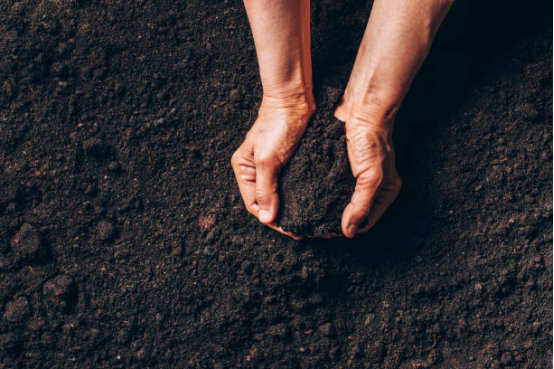
- The easiest method is the “Squeeze Test.” Take a handful of moist soil and squeeze it. If it crumbles immediately, it’s sandy. If it stays in a hard, sticky ball, it’s clay. If it holds its shape but crumbles under light pressure, it is likely loam.
- Why is my soil turning hard like a brick in the summer?
- This is a classic sign of high clay content. When clay loses moisture, the tiny particles pack tightly together. To fix this, incorporate large amounts of organic compost and avoid walking on the soil when it is wet to prevent further compaction.
- Can I use store-bought potting soil in my garden beds?
- While you can, it is often not cost-effective. Potting soil is designed for containers and is mostly peat or coco coir. For garden beds, it is better to use “Garden Soil” or topsoil mixed with compost, which provides the mineral weight needed for outdoor plants.
- What is the fastest way to improve sandy soil?
- The fastest way is to add well-rotted manure or compost. These materials act like a sponge, filling the large gaps between sand particles to hold water and nutrients that would otherwise wash away.
- Does mulch help improve soil type?
- Yes. Over time, organic mulches like wood chips, straw, or bark decompose and are pulled into the soil by earthworms, naturally increasing the organic matter content and improving soil structure.

Related Posts