This pillar page was synthesized from professional horticultural research and identification guides.
Understanding the Science of Weed Biology and Survival
To effectively manage a garden, one must first understand that a “weed” is not a botanical classification, but rather an ecological role. In gardening science, weeds are opportunistic pioneers—plants that have evolved to colonize disturbed soil rapidly. Their survival is dictated by aggressive root systems, massive seed production, and the ability to thrive in nutrient-poor conditions where domesticated plants might fail.
The Seed Bank Phenomenon
One of the most challenging aspects of weed management is the “soil seed bank.” Many common weeds, such as Pigweed or Lamb’s Quarters, can produce tens of thousands of seeds per plant. These seeds can remain dormant in the soil for decades, waiting for a single tilling event to bring them to the surface where light triggers their germination.
Resource Competition
Weeds are biological competitors. They often possess “C4 photosynthesis” pathways, allowing them to process sunlight and water more efficiently than many ornamental flowers (which often use C3 pathways). This allows them to outgrow your garden plants, effectively stealing the nitrogen, phosphorus, and potassium intended for your harvest.

Systematic Identification: Distinguishing Friends from Foes
Identifying a weed before it reaches maturity is critical for control. Early identification allows for manual removal before the root system becomes established or the plant goes to seed. Professional gardeners look at three primary indicators: leaf morphology, stem structure, and root type.
Leaf and Stem Analysis
Observe the “cotyledons” or the first leaves that emerge from the soil. Broadleaf weeds typically produce two seed leaves (dicots), while grassy weeds produce a single blade (monocots). Examining the leaf margins—whether they are serrated, lobed, or smooth—can help distinguish a young Dandelion from a harmless lettuce seedling.
Root Architecture
Understanding what lies beneath the surface is vital. Taproots, like those found in Thistle, grow deep into the earth to access water reserves, making them difficult to pull. Fibrous roots, common in Crabgrass, spread horizontally to create a dense mat that chokes out other plants.

Common Garden Weed Categories and Their Growth Habits
Weeds are generally categorized by their life cycles. Knowing which category a weed falls into determines the strategy you should use to eliminate it.
| Weed Category | Growth Cycle | Common Examples | Control Strategy |
|---|---|---|---|
| Annuals | One growing season | Crabgrass, Chickweed | Pre-emergent barriers and mulching. |
| Biennials | Two-year cycle | Bull Thistle, Garlic Mustard | Severing the taproot in the first year. |
| Perennials | Indefinite lifespan | Dandelion, Bindweed | Complete root extraction or systemic treatment. |

The Trickery of Weeds: Mimicry and Defensive Evolution
Evolution has gifted many weeds with “trickery” to avoid detection by gardeners. This is often referred to as Vavilovian mimicry, where a weed evolves to look like the crop it infests.
Visual Mimicry
Certain weeds have evolved leaf shapes that almost perfectly mirror common garden vegetables. For example, young Velvetleaf can often be mistaken for a squash plant until its rapid growth rate gives it away. This camouflage protects the weed from being pulled during the early stages of garden maintenance.
Allelopathy: Chemical Warfare
Some weeds use chemical trickery known as allelopathy. They release biochemicals from their roots into the surrounding soil that inhibit the growth of neighboring plants. The Black Walnut tree is famous for this, but weeds like Quackgrass use similar tactics to ensure they have no competition for space.

Integrated Management Strategies for a Weed-Free Garden
Successful weed control requires a multi-faceted approach rather than relying on a single method. This is known as Integrated Pest Management (IPM).
- Mulching: Applying 2-3 inches of organic mulch prevents light from reaching the soil surface, inhibiting weed germination.
- Solarization: Using clear plastic sheets to trap solar heat can “cook” the weed seeds in the top layer of soil before planting.
- Precision Watering: Using drip irrigation instead of overhead sprinklers ensures water only reaches your desired plants, leaving weeds in the dry zones to wither.
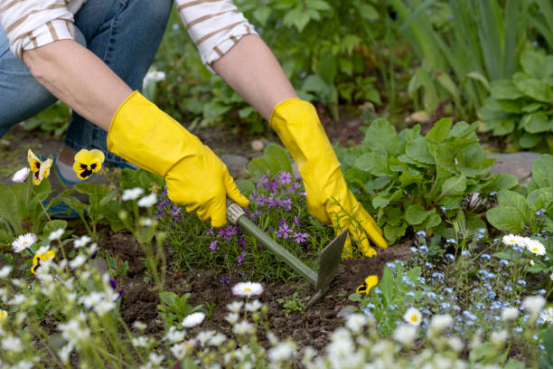
- Manual Extraction: Using a hori-hori knife or a long-handled weeder to ensure the entire root system is removed.

Pro Tips for Expert Weed Suppression
Experienced horticulturists use specific timing and techniques to maintain a pristine garden with minimal effort.
The “Pull When Wet” Rule
Always attempt to pull weeds after a heavy rain or deep watering. Moist soil releases the root structure much more easily, preventing the root from snapping and regrowing.
Never Let Them Flower
If you don’t have time to pull the whole weed, at least “behead” it. Removing the flower heads before they turn to seed prevents the next generation from infesting your garden next season.
Frequently Asked Questions (FAQ)
- What is the most effective organic way to kill weeds?
- The most effective organic method is a combination of sheet mulching (cardboard layers covered with wood chips) and manual removal. For spot treatments, high-concentration horticultural vinegar can desiccate leaves, though it may not kill deep perennial roots.
- Why do weeds seem to grow faster than my vegetables?
- Weeds are “generalist” plants that have evolved to prioritize rapid growth and reproduction over fruit quality or aesthetics. They often have more efficient metabolic processes and can tolerate wider temperature and moisture fluctuations.
- Can weeds actually benefit my garden?
- Yes, some weeds serve as “dynamic accumulators,” pulling nutrients from deep in the subsoil to the surface. Dandelions, for instance, have deep taproots that break up compacted soil and provide early-season nectar for pollinators.
- When is the best time of year to apply pre-emergent weed control?
- Pre-emergents should be applied in early spring, just before the soil temperature reaches 55 degrees Fahrenheit. This is typically when Forsythia bushes begin to bloom, signaling that weed seeds are about to germinate.
- How can I tell the difference between a weed and a wildflower?
- The distinction is often subjective. However, scientifically, wildflowers are usually native species that support the local ecosystem, whereas many common weeds are invasive species that disrupt local biodiversity. Use a botanical ID app or a local field guide for confirmation.

Related Posts