Introduction to Living Fossils: A Glimpse into Earth’s Ancient Flora
The concept of “living fossils” captivates botanists and evolutionary biologists alike, referring to species that have persisted with remarkably little morphological change over millions of years, often representing the sole survivors of ancient lineages. These botanical relics, such as Cycads and Ginkgo Biloba, serve as invaluable biological archives, offering direct windows into the deep past of plant evolution, ecosystems from the age of dinosaurs, and the profound resilience required to navigate dramatic climatic and geological shifts. Understanding these organisms is not merely an academic exercise; it provides critical data for genomic studies, pharmaceutical research, and the broader challenges of biodiversity conservation in the Anthropocene.
Defining “Living Fossils” in Botanical Context
While the term “living fossil” might evoke images of static, unchanging life forms, it more accurately describes organisms exhibiting exceptional evolutionary stasis in their external morphology and anatomical structures over vast geological timescales. This biological phenomenon implies a remarkable adaptive success, allowing these species to thrive in various niches despite significant environmental transformations that led to the extinction of countless contemporary life forms. For plants, this often involves unique reproductive strategies, robust defense mechanisms, and metabolic pathways that confer longevity and resilience.
- Evolutionary Stasis: Maintaining ancestral traits over millions of years, providing a direct link to extinct relatives.
- Genetic Resilience: Possessing robust genetic mechanisms that allow adaptation to slow environmental changes without rapid morphological divergence.
- Ecological Persistence: Occupying specific niches that have remained stable or to which they are exceptionally well-suited, enabling long-term survival.

Cycads: The Enduring Legacy of Dinosaur-Era Plants
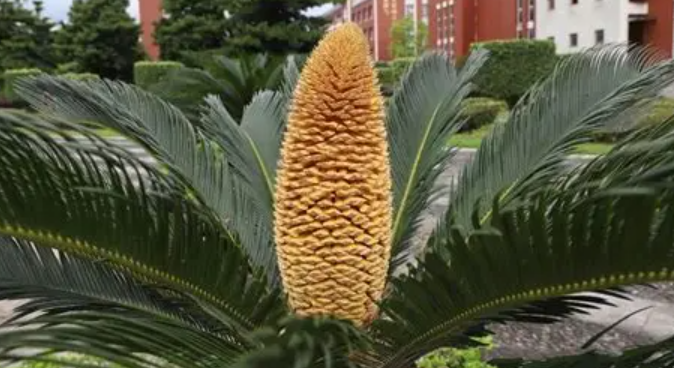
Cycads represent one of the oldest living seed plant lineages, with a fossil record extending back an astonishing 280 million years to the Permian period. They reached their peak diversity during the Mesozoic Era, the age of dinosaurs, forming a dominant component of the global flora. Often mistaken for palms or ferns due to their crown of large, stiff, compound leaves, cycads are distinct gymnosperms, characterized by their slow growth, long lifespans, and unique reproductive structures—large, cone-like strobili. Their survival through multiple mass extinction events underscores an unparalleled evolutionary tenacity, making them a focal point for understanding ancient plant genetics and environmental adaptation.
Ancient Genetic Code and Evolutionary Insights
The genetic makeup of cycads holds secrets to their longevity and resilience. Their genomes are often large and complex, containing ancient genetic pathways that have been conserved for hundreds of millions of years. Research into cycad genetics reveals intricate evolutionary relationships, suggesting that their slow reproductive cycle and specialized symbiotic relationships (e.g., with nitrogen-fixing cyanobacteria in their roots) have contributed to their survival. Studies on specific genera like Cycas, Zamia, and Encephalartos have shown remarkable stability in certain gene sequences, providing tangible evidence of their “living fossil” status.
- Mitochondrial DNA Studies: Analysis of mitochondrial DNA in cycads has helped trace their deep evolutionary roots and dispersal patterns across continents, indicating ancient land bridge connections.
- Chloroplast Genome Sequencing: Sequencing of chloroplast genomes offers insights into their photosynthetic efficiency and adaptive mechanisms to varying light conditions over geological timescales.
- Symbiotic Relationships: The presence of coralloid roots with nitrogen-fixing bacteria highlights a critical adaptation for nutrient acquisition in often nutrient-poor ancient soils, a trait still vital today.
Ecological Role and Modern Threats
In contemporary ecosystems, cycads play a crucial role, particularly in tropical and subtropical regions, serving as food sources for specialized insects and providing unique habitats. However, despite their ancient resilience, modern cycads face unprecedented threats. Habitat destruction, illegal poaching for ornamental purposes, and the introduction of invasive species have pushed many of the 300+ known species to the brink of extinction. The slow growth rate and specific pollination requirements make them particularly vulnerable to rapid environmental changes, emphasizing the urgency of conservation efforts.
Table 1: Key Characteristics and Threats of Cycads
| Characteristic | Description | Modern Threat |
|---|---|---|
| Lifespan | Extremely long, often centuries | Slow recovery from disturbance |
| Growth Rate | Very slow | Vulnerable to rapid habitat loss |
| Reproduction | Dioecious (separate male/female plants), insect-pollinated, large cones | Pollinator decline, habitat fragmentation |
| Habitat | Tropical and subtropical forests, grasslands | Deforestation, land conversion |
| Conservation Status | Many species critically endangered | Illegal trade, climate change |

Ginkgo Biloba: A Botanical Marvel Bridging Ancient and Modern Worlds
The Ginkgo Biloba tree stands as a singular testament to evolutionary endurance, being the sole surviving species of the Ginkgoales order, a lineage dating back over 270 million years. Its distinctive fan-shaped leaves, unique branching pattern, and remarkable resilience to urban pollution and pests have made it a beloved ornamental tree worldwide. Yet, beyond its aesthetic appeal, Ginkgo Biloba embodies a profound biological narrative, connecting the ancient forests of the Jurassic period to modern urban landscapes, and offering a treasure trove of biochemical compounds with significant pharmacological potential.
The Secret of Ginkgo’s Survival: Adaptations and Genetics
Ginkgo’s extraordinary survival can be attributed to a suite of highly effective adaptations. Its deep root system provides stability and access to water, while its thick bark offers protection against fire and physical damage. The tree’s resistance to a wide array of pests and diseases is legendary, attributed to a complex array of secondary metabolites. Genetically, Ginkgo’s genome has been extensively studied, revealing insights into its stress tolerance and unique reproductive biology. The tree is dioecious, with male and female reproductive organs on separate plants, a characteristic shared with cycads, indicative of ancient seed plant reproduction strategies.
- Pest and Disease Resistance: Ginkgo produces various terpenoids and flavonoids that act as natural pesticides and fungicides, contributing to its robust health.
- Pollution Tolerance: Its ability to absorb and neutralize gaseous pollutants makes it an ideal urban tree, a trait that likely stems from ancient adaptations to fluctuating atmospheric conditions.
- Longevity and Regeneration: Ginkgo trees can live for thousands of years, capable of sprouting new shoots from the base after severe damage, showcasing exceptional regenerative capacity.
Modern Biological and Pharmaceutical Significance
Beyond its ecological and historical importance, Ginkgo Biloba holds considerable value in modern biology and medicine. Extracts from its leaves are widely used in traditional medicine and are a popular dietary supplement, primarily for their purported cognitive-enhancing and circulatory benefits. Research continues to uncover the mechanisms behind these effects, focusing on compounds like ginkgolides and bilobalides, which possess antioxidant, anti-inflammatory, and neuroprotective properties. This living fossil thus serves as a natural pharmacy, providing inspiration for new drug discoveries and a model for understanding plant biochemistry.
Table 2: Bioactive Compounds and Uses of Ginkgo Biloba
| Compound Class | Examples | Primary Biological Activity | Modern Use/Significance |
|---|---|---|---|
| Flavonoids | Quercetin, Kaempferol | Antioxidant, anti-inflammatory | Cognitive health, circulatory support |
| Terpenoids | Ginkgolides, Bilobalides | Neuroprotective, anti-platelet | Memory enhancement, Alzheimer’s research |
| Proanthocyanidins | Oligomeric Proanthocyanidins | Strong antioxidant | Cardiovascular health, anti-aging |
| Organic Acids | Ginkgolic acids | Antimicrobial (some are allergens) | Traditional medicine, defensive compounds |

Shared Resilience and Unique Adaptations: Comparing Cycads and Ginkgo
While Cycads and Ginkgo Biloba belong to distinct botanical orders, their shared status as “living fossils” highlights common themes of evolutionary resilience and unique adaptations that have allowed them to persist for millions of years. Both groups represent ancient gymnosperms, predating flowering plants, and offer critical insights into the early diversification of seed plants. Examining their parallels and divergences helps us understand the multifaceted strategies life employs to endure profound environmental change over geological timescales.
Parallel Evolutionary Paths and Divergent Strategies
Both cycads and Ginkgo evolved during periods when Earth’s climate and atmospheric composition were vastly different, developing robust mechanisms to cope with conditions that would be lethal to many modern plants. They share the characteristic of being dioecious, a primitive trait among seed plants where male and female reproductive structures are found on separate individuals. This genetic separation often promotes outcrossing, enhancing genetic diversity and resilience. However, their specific adaptations to their respective niches and threats have diverged significantly.
- Reproductive Longevity: Both exhibit extremely slow reproductive cycles, producing large, protected seeds, a strategy that prioritizes offspring survival over rapid propagation.
- Secondary Metabolites: Both produce a rich array of secondary compounds for defense against herbivores and pathogens, a key to their survival in challenging environments.
- Resource Allocation: They invest heavily in structural defenses and long-term storage, rather than rapid growth and colonization, reflecting their ancient, stable-niche existence.
Genetic Conservation and Biodiversity Value
The genetic material of both Cycads and Ginkgo represents an irreplaceable reservoir of evolutionary information. Their genomes contain genes that have been conserved for hundreds of millions of years, offering potential solutions to modern agricultural and pharmaceutical challenges. For instance, understanding the drought resistance mechanisms in cycads or the disease resistance in Ginkgo could inform strategies for developing more resilient crop species. Their unique genetic sequences also provide critical calibration points for phylogenetic studies, helping to map the tree of life with greater accuracy.
The continued existence of these plants underscores the importance of preserving biodiversity, not just for aesthetic or ecological reasons, but for the profound scientific and utilitarian value they hold. Each “living fossil” is a testament to nature’s ingenuity and a potential key to unlocking future innovations.

Modern Significance and Conservation Imperatives for Ancient Flora
The profound historical narrative embodied by “living fossils” like Cycads and Ginkgo Biloba extends far beyond scientific curiosity. These ancient plants hold immense modern significance across various fields, from ecological restoration to pharmaceutical development. However, their enduring survival is now acutely threatened by anthropogenic pressures, necessitating urgent and comprehensive conservation strategies to prevent the loss of these irreplaceable components of Earth’s botanical heritage.
Ecological and Environmental Relevance
In their native habitats, cycads contribute to ecosystem stability, serving as foundational species in specific biomes. Their unique root symbiosis with nitrogen-fixing bacteria enriches soil, benefiting other plants. Ginkgo, while now primarily cultivated, demonstrates remarkable resilience in urban environments, contributing to air purification and green infrastructure. Studying their adaptations to ancient climates also offers crucial insights into how plants might respond to current climate change, providing natural models for resilience.
- Carbon Sequestration: Long-lived trees like Ginkgo act as significant carbon sinks over their lifespan, contributing to climate change mitigation.
- Biodiversity Hotspots: Cycad-rich regions often coincide with biodiversity hotspots, indicating their role in supporting complex ecological communities.
- Bioremediation Potential: The pollution tolerance of Ginkgo suggests potential applications in phytoremediation, using plants to clean contaminated environments.
Pharmaceutical and Biotechnological Prospects
The biochemical richness of these ancient plants continues to inspire pharmaceutical research. The discovery of novel compounds with medicinal properties from Cycads is ongoing, while Ginkgo Biloba extracts are already a cornerstone of herbal medicine. Beyond direct medicinal applications, their genetic material offers opportunities for biotechnological advancements, such as identifying genes responsible for extreme longevity, disease resistance, or unique metabolic pathways that could be transferred to other plant species or utilized in synthetic biology. The sheer complexity and age of their genetic code represent an untapped resource for future scientific breakthroughs.
Global Conservation Efforts and Challenges
Despite their ancient resilience, both cycads and the wild populations of Ginkgo (which are now extremely rare) face severe conservation challenges. Cycads are among the most endangered plant groups globally, primarily due to habitat destruction, illegal collection, and the spread of invasive pests and diseases. Effective conservation requires a multi-pronged approach:
- Habitat Protection: Establishing and enforcing protected areas, along with restoring degraded habitats.
- Ex Situ Conservation: Maintaining living collections in botanic gardens and seed banks to preserve genetic diversity.
- Legislation and Enforcement: Combating illegal trade through strict national and international laws (e.g., CITES).
- Public Awareness and Education: Engaging local communities and the public to foster appreciation and support for conservation.

Conclusion: Preserving Earth’s Living Botanical Heritage
Cycads and Ginkgo Biloba stand as profound reminders of Earth’s deep time and the extraordinary power of evolution. As “living fossils,” they offer unparalleled insights into the botanical world of the Mesozoic Era, revealing the genetic and adaptive strategies that have allowed life to persist through cataclysmic changes. Their unique biology, from ancient reproductive mechanisms to complex biochemical defenses, continues to inform modern science, offering potential solutions in medicine, agriculture, and environmental management. However, their continued existence is far from guaranteed.
The preservation of these ancient plant lineages is not merely about protecting individual species; it is about safeguarding invaluable chapters of Earth’s evolutionary story, maintaining critical ecological functions, and retaining a genetic library that holds untold future benefits for humanity. Through dedicated research, robust conservation programs, and a global commitment to biodiversity, we can ensure that these botanical marvels continue to bridge the ancient past with a sustainable future, inspiring generations to come with their enduring legacy.
Frequently Asked Questions (FAQ)
- Q1: What defines a “living fossil” in the context of plants?
- A “living fossil” plant is a species that has survived for millions of years with minimal morphological or anatomical changes from its ancient ancestors, often representing the sole survivor of a once diverse lineage. These plants provide direct links to ancient ecosystems and offer unique insights into evolutionary stasis and resilience.
- Q2: How have Cycads managed to survive since the age of dinosaurs?
- Cycads’ survival is attributed to a combination of factors including their robust genetic code, slow growth and long lifespans, efficient defense mechanisms against herbivores, and symbiotic relationships with nitrogen-fixing bacteria in their roots, which aid in nutrient acquisition in challenging environments. Their ancient reproductive strategies, though slow, have also proved effective over geological timescales.
- Q3: What makes Ginkgo Biloba so resilient to modern environmental challenges?
- Ginkgo Biloba’s resilience stems from its unique adaptations, including a deep root system, thick bark, and the production of a wide array of secondary metabolites (like ginkgolides and flavonoids) that confer strong resistance to pests, diseases, and urban pollution. Its ability to thrive in harsh conditions, coupled with its longevity, makes it exceptionally durable.
- Q4: What is the modern significance of studying ancient plants like Cycads and Ginkgo?
- Studying these plants offers critical insights into evolutionary biology, plant genetics, and adaptation to extreme environmental conditions, which can inform climate change mitigation and agricultural resilience. They are also sources of unique biochemical compounds with significant pharmaceutical potential, inspiring new drug discoveries and biotechnological advancements.
- Q5: What are the primary threats to Cycads today and how are they being conserved?
- The primary threats to cycads include rapid habitat destruction, illegal poaching for the ornamental trade, and the spread of invasive species and diseases. Conservation efforts involve strict habitat protection, ex situ conservation in botanic gardens and seed banks, enforcing international anti-poaching laws (like CITES), and raising public awareness about their endangered status.

Related Posts