The botanical world, often perceived as passive and gentle, harbors a collection of species that defy conventional understanding: carnivorous plants. These extraordinary organisms have evolved to thrive in some of the most challenging environments on Earth, specifically nutrient-poor soils like bogs and swamps, where essential elements such as nitrogen and phosphorus are scarce. To overcome these deficiencies, they have developed ingenious mechanisms to capture, kill, and digest small animals, primarily insects, supplementing their photosynthetic diet with vital nutrients. This guide delves deep into the captivating lives of these plant predators, focusing on the iconic Venus Flytrap and the diverse family of Pitcher Plants, exploring their intricate trapping mechanisms, digestive processes, and remarkable survival strategies.
The Venus Flytrap: A Masterclass in Rapid Prey Capture
The Dionaea muscipula, famously known as the Venus Flytrap, stands as a true marvel of the plant kingdom, renowned for its dramatic and incredibly fast prey capture mechanism. Native to the subtropical wetlands of North and South Carolina, this plant has perfected a sophisticated active trap that responds to tactile stimuli, making it one of the most recognized carnivorous species globally. Its ability to snap shut in a fraction of a second is not merely a biological curiosity but a finely tuned adaptation for survival.
Anatomy and Trigger Mechanism: The Sensory Trap
The Venus Flytrap’s iconic trap consists of two hinged lobes, resembling an open clam shell, at the end of each leaf. The inner surfaces of these lobes are typically reddish, a coloration that serves to attract unsuspecting insects. Along the edges of these lobes are stiff, interlocking bristles, often referred to as “cilia” or “teeth,” which help to form a cage once the trap closes. The true genius of the trap lies in the presence of tiny, sensitive trigger hairs, or trichomes, typically three to six, located on the inner surface of each lobe. These hairs are the plant’s sensory organs, detecting the presence of potential prey.
- Dual-Touch System: The Venus Flytrap employs a sophisticated “dual-touch” mechanism to minimize false alarms. For the trap to spring shut, an insect must touch two different trigger hairs within approximately 20 seconds, or touch the same hair twice in quick succession. This ensures that the trap is not wasted on a falling raindrop, a piece of debris, or a tiny, nutrient-poor insect that might escape too easily.
- Electrical Impulse Generation: Upon the correct stimulation of the trigger hairs, specialized cells within the leaf generate an electrical action potential. This impulse travels rapidly across the leaf, initiating a dramatic change in turgor pressure within the cells of the trap’s midrib.
The Lightning-Fast Capture and Sealing Process
The speed at which a Venus Flytrap’s trap closes is nothing short of miraculous. Within 0.1 to 0.5 seconds of activation, the lobes rapidly invert from a convex to a concave shape, effectively slamming shut and imprisoning the prey. This rapid movement is powered by the sudden change in water pressure within the cells, causing them to swell and alter the trap’s morphology.
- Ensuring Entrapment: The interlocking cilia along the trap’s edges prevent larger prey from escaping. However, small insects may sometimes squeeze through these gaps. If the prey is too small to provide adequate nutrients, the trap may reopen within a few hours, conserving energy for more substantial catches.
- Hermetic Seal for Digestion: Once a suitable insect is captured, and its continued struggles further stimulate the trigger hairs, the trap begins to slowly tighten its seal over the next few hours. This creates an airtight chamber, crucial for the digestive process. Glands on the inner surface of the lobes then begin to secrete a cocktail of digestive enzymes.
Digestion and Nutrient Absorption
The digestion process in a Venus Flytrap is akin to that of an animal’s stomach. The secreted enzymes, including proteases, chitinases, and phosphatases, break down the soft tissues of the insect. This process can take anywhere from 5 to 12 days, depending on the size of the prey and environmental conditions. Once digestion is complete, the plant absorbs the liquefied nutrients, particularly nitrogen, phosphorus, and potassium, directly through the glands on its lobes. After the nutrients have been extracted, the trap reopens, expelling the indigestible exoskeleton, ready to capture its next victim. Each trap typically has a limited lifespan, capable of closing only a few times before it withers and is replaced by a new one.
Survival Adaptations Beyond the Trap
While the trap is its most famous feature, the Venus Flytrap possesses other crucial adaptations for long-term survival:
- Rhizome: An underground stem that stores energy, allowing the plant to survive periods of drought or dormancy.
- Dormancy: During winter months, the plant enters a dormant phase, reducing its growth and energy expenditure, crucial for surviving cold temperatures.
- Flowering: Venus Flytraps produce tall flower stalks, ensuring that pollinators are not accidentally caught in their traps, thereby facilitating reproduction.
- Fire Resistance: The plant’s deep rhizome allows it to survive periodic wildfires common in its native habitat, which also clears competing vegetation.

Pitcher Plants: The Deadly Pitfall Traps
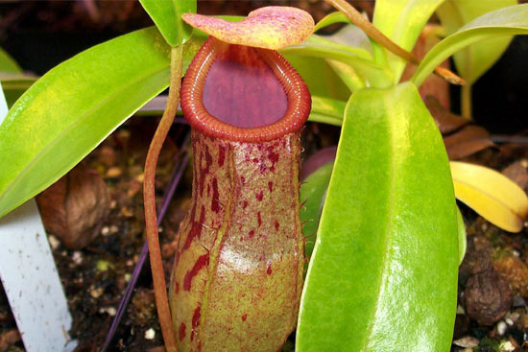
In contrast to the active, mechanical trap of the Venus Flytrap, Pitcher Plants employ a passive yet equally deadly strategy known as a pitfall trap. These plants have evolved modified leaves that form deep, liquid-filled pitchers, designed to lure, capture, and drown their prey. The diversity within pitcher plants is vast, ranging from the tropical climbing vines of Nepenthes to the temperate bog dwellers of Sarracenia and the unique ‘Albany Pitcher Plant’ Cephalotus.
Diversity and Anatomy of Pitcher Plants
The various genera of pitcher plants showcase remarkable evolutionary convergence, developing similar trapping mechanisms independently:
- Nepenthes (Tropical Pitcher Plants): Found primarily in Southeast Asia, these plants often grow as vines, producing hanging pitchers from tendrils. Their pitchers are typically colorful and can range from small to surprisingly large, capable of catching not only insects but occasionally small vertebrates like frogs or even rodents.
- Sarracenia (North American Pitcher Plants): Native to the bogs and wetlands of North America, these plants produce upright, trumpet-shaped pitchers that emerge directly from the ground. They are known for their vibrant colors and striking venation patterns.
- Cephalotus follicularis (Albany Pitcher Plant): A monotypic genus from Western Australia, Cephalotus produces small, highly ornate pitchers close to the ground, resembling a cluster of tiny moccasins.
- Darlingtonia californica (Cobra Lily): Another North American species, its pitchers resemble a cobra’s hood, complete with a forked “tongue” and translucent windows that disorient trapped insects.
Despite their differences, all pitcher plants share common anatomical features essential for their predatory lifestyle:
- Lid (Operculum): A leaf-like structure that covers the pitcher opening. While often thought to keep out rain, its primary function is to serve as an attractant and, in some species, a landing platform for insects, often secreting nectar on its underside.
- Peristome (Rim): The rolled rim of the pitcher, typically highly colorful and often slippery, especially when wet, due to specialized downward-pointing cells or waxes. This is where many insects lose their footing.
- Waxy Walls: The inner walls of the pitcher are often coated with a layer of loose, downward-pointing wax scales or hairs, making it impossible for insects to climb out once they have fallen in.
- Digestive Fluid: At the bottom of the pitcher lies a pool of liquid, a mixture of water, digestive enzymes (proteases, chitinases), and sometimes symbiotic bacteria.
Lure Mechanisms and Prey Capture
Pitcher plants employ a multi-sensory approach to attract their prey:
- Nectar Glands: Abundant nectar glands are found on the lid and peristome, providing a sweet, irresistible lure for insects.
- Color and UV Patterns: The vibrant coloration and distinct venation patterns of the pitchers, often enhanced by UV reflectance visible to insects, serve as visual beacons.
- Scent: Some species emit specific scents that mimic rotting flesh or other insect attractants, drawing in flies and other carrion feeders.
Once an insect is lured to the pitcher’s rim, its fate is often sealed. The combination of the slippery peristome, the waxy inner walls, and the downward-pointing hairs makes escape nearly impossible. The insect tumbles into the digestive fluid below, where it drowns.
Digestion and Nutrient Absorption in Pitchers
The digestive fluid at the bottom of the pitcher is a complex biochemical soup. In many species, the plant itself produces a range of enzymes that break down the soft tissues of the drowned insects. However, some pitcher plants also rely on symbiotic relationships with bacteria and other microorganisms living in the fluid, which aid in the decomposition process. These microbes effectively predigest the prey, making the nutrients available for absorption by glands lining the inner base of the pitcher. The nutrients absorbed are vital for the plant’s growth and survival in its barren habitat, allowing it to flourish where other plants cannot.

Beyond Traps: Diverse Carnivorous Strategies
While Venus Flytraps and Pitcher Plants represent two primary forms of carnivory, the plant kingdom boasts a fascinating array of other trapping mechanisms. These diverse strategies highlight the incredible evolutionary adaptability of plants to exploit unconventional food sources.
Sundews (Drosera): The Sticky Tentacles
Sundews (Drosera) are perhaps the most widespread genus of carnivorous plants, found on every continent except Antarctica. They are known for their glistening, dewdrop-covered leaves, which give them their name. These “dewdrops” are actually sticky mucilage secreted by specialized glandular tentacles that cover the leaf surface. This is a form of flypaper trap.
- Lure and Capture: Insects are attracted to the glittering mucilage, mistaking it for nectar or water. Upon landing, they become stuck in the highly viscous fluid.
- Ensnarement: As the insect struggles, nearby tentacles slowly bend inwards, further ensnaring the prey and bringing it into contact with more digestive glands.
- Digestion: The mucilage contains digestive enzymes that break down the insect’s soft tissues, and the nutrients are absorbed directly through the tentacles.
Bladderworts (Utricularia): The Aquatic Suction Traps
Bladderworts (Utricularia) are unique among carnivorous plants for their active, underwater suction traps. These plants are primarily aquatic or terrestrial, often lacking true roots and floating freely in water or growing in boggy soil. Their traps are small, hollow bladders equipped with a sensitive trigger hair and a hinged trapdoor.
- Setting the Trap: The bladder pumps water out, creating a partial vacuum inside. The trapdoor is held shut under tension.
- Triggering the Trap: When a small aquatic organism (like a daphnia or mosquito larva) brushes against the trigger hairs, the trapdoor springs open.
- Suction Capture: The sudden influx of water, driven by the vacuum, sucks the prey into the bladder in milliseconds. The trapdoor then snaps shut, re-sealing the bladder.
- Digestion: Digestive enzymes within the bladder then break down the captured prey.
Butterworts (Pinguicula): The Glandular Flypaper
Butterworts (Pinguicula) utilize a passive flypaper trap, similar in principle to sundews but with a distinct appearance. Their leaves are typically broad, flat, and covered in tiny, glistening glandular hairs that secrete a sticky mucilage.
- Attraction: The glossy, often yellowish-green leaves attract small insects like gnats and fruit flies.
- Entrapment: Once an insect lands on the leaf, it becomes stuck in the sticky secretion.
- Digestion and Absorption: The leaves then secrete digestive enzymes that dissolve the prey, and the nutrients are absorbed through the leaf surface. Some species can also slowly curl their leaf edges inwards to increase contact with the prey and prevent digestive fluids from running off.
Cobra Lilies (Darlingtonia): The Deceptive Windows
The Cobra Lily (Darlingtonia californica), a rare and unusual pitcher plant from Northern California and Oregon, employs a highly specialized pitfall trap that mimics a cobra’s head. Its unique structure includes a bulbous, hooded pitcher with a forked “tongue” (a modified leaf tip) and translucent patches or “windows” at the top.
- Lure: Nectar glands on the tongue and around the entrance attract insects.
- Disorientation: Once inside the hood, insects fly towards the light shining through the translucent windows, mistaking them for exits.
- Exhaustion and Fall: Disoriented and exhausted, they eventually fall into the digestive fluid at the base of the pitcher, unable to climb the slippery, downward-pointing hairs lining the inner walls.

Cultivation and Conservation: Protecting These Natural Wonders
The unique adaptations of carnivorous plants, while fascinating, also make them particularly sensitive to environmental changes and specific care requirements in cultivation. Understanding these needs is crucial for both successful home growing and, more importantly, for their conservation in the wild.
General Cultivation Requirements
Most carnivorous plants share a few fundamental needs that differ significantly from typical houseplants:
- Water Quality: They are highly sensitive to minerals and salts found in tap water. Always use distilled water, rainwater, or reverse osmosis (RO) water. Never use softened water.
- Soil Medium: Carnivorous plants grow in nutrient-poor, acidic soils. A common potting mix is a blend of sphagnum moss (long-fibered or milled), perlite, and/or horticultural sand (silica sand). Avoid standard potting soil, which is too rich and will kill them.
- Light: Most species require ample bright light, often full sun for several hours a day, to develop vibrant colors and grow vigorously. Insufficient light can lead to weak growth and poor trap development.
- Humidity: Many carnivorous plants, especially tropical species like Nepenthes, thrive in high humidity. While some temperate species are more tolerant, a humid environment generally benefits all.
Specific Care for Venus Flytraps and Pitcher Plants
- Venus Flytraps (Dionaea muscipula):
- Light: At least 4-6 hours of direct sunlight daily.
- Water: Keep the soil consistently moist, often by sitting the pot in a tray of distilled/RO water.
- Dormancy: Absolutely essential. From late autumn to early spring, they require a cool period (35-50°F / 2-10°C) with reduced light and water. Without dormancy, they weaken and eventually die.
- Feeding: If grown outdoors, they will catch their own prey. Indoors, they may need occasional feeding of small insects (never meat or cheese).
- Pitcher Plants (Sarracenia and Nepenthes):
- Sarracenia (Temperate):
- Light: Full sun is critical for strong growth and vibrant pitcher coloration.
- Water: Keep perpetually wet in a tray of distilled/RO water.
- Dormancy: Like Venus Flytraps, they require a cold winter dormancy.
- Nepenthes (Tropical):
- Light: Bright, indirect light is preferred; some direct morning sun is beneficial.
- Humidity: High humidity (60-80%+) is crucial for pitcher development.
- Temperature: Warm temperatures (70-85°F / 21-29°C during the day, slightly cooler at night).
- Water: Keep moist but not waterlogged. Allow the top layer of soil to dry slightly between waterings.
- Sarracenia (Temperate):
Threats and Conservation Efforts
Despite their predatory prowess, carnivorous plants are highly vulnerable in the wild. Their specialized habitats, often unique bogs, fens, and swamps, are among the most threatened ecosystems globally. Major threats include:
- Habitat Loss: Drainage of wetlands for agriculture, development, and forestry destroys their natural homes.
- Pollution: Runoff from fertilizers and pesticides introduces excess nutrients and harmful chemicals, which carnivorous plants cannot tolerate.
- Illegal Poaching: The exotic appeal of these plants leads to illegal collection from the wild, further depleting populations.
- Climate Change: Alterations in rainfall patterns, temperature, and fire regimes can disrupt their delicate ecological balance.
Conservation efforts are critical and involve:
- Habitat Preservation: Protecting and restoring wetlands and bog ecosystems.
- Legislation: International agreements like CITES (Convention on International Trade in Endangered Species of Wild Fauna and Flora) regulate the trade of endangered species.
- Captive Breeding Programs: Botanical gardens and specialized nurseries propagate these plants, reducing pressure on wild populations and providing ethically sourced specimens for enthusiasts.
- Public Awareness: Educating the public about the importance and fragility of these unique plants.
Conclusion: The Enduring Fascination of Plant Predators
Carnivorous plants represent a pinnacle of evolutionary adaptation, a testament to life’s ingenuity in overcoming environmental challenges. From the iconic snap of the Venus Flytrap to the silent, deadly pits of Pitcher Plants and the sticky embrace of Sundews, each species offers a unique window into the fascinating world of botanical predation. Their existence in nutrient-poor soils underscores a vital ecological principle: life finds a way, even if it means turning the tables on the animal kingdom. As we continue to marvel at their beauty and complexity, our responsibility to understand, protect, and ethically cultivate these natural wonders becomes ever more apparent, ensuring that future generations can continue to be captivated by the art of killing, plant-style.
Frequently Asked Questions (FAQ)
- Q1: Why do carnivorous plants eat insects?
- Carnivorous plants primarily eat insects and other small animals to supplement their nutrient intake, particularly nitrogen and phosphorus. They typically grow in nutrient-poor environments like bogs and swamps where the soil lacks these essential elements, which are vital for plant growth and development. Photosynthesis still provides their energy, but prey provides the crucial building blocks.
- Q2: How does the Venus Flytrap avoid catching rain or debris?
- The Venus Flytrap has a sophisticated “dual-touch” mechanism. For the trap to close, an insect must touch two different trigger hairs on its lobes within approximately 20 seconds, or touch the same hair twice in quick succession. This prevents the trap from wasting energy on non-prey stimuli like raindrops, falling leaves, or small, insignificant insects that won’t provide enough nutrients.
- Q3: Are all pitcher plants the same? What are the main types?
- No, pitcher plants are quite diverse. The two main types are Nepenthes (Tropical Pitcher Plants) and Sarracenia (North American Pitcher Plants). Nepenthes are often climbing vines with hanging pitchers, found in Southeast Asia, and thrive in warm, humid conditions. Sarracenia are temperate plants with upright, trumpet-shaped pitchers, native to North American bogs, and require a cold winter dormancy. Other notable types include Cephalotus follicularis (Albany Pitcher Plant) and Darlingtonia californica (Cobra Lily).
- Q4: Can I feed my carnivorous plant meat from the grocery store?
- No, you should never feed carnivorous plants human or pet food like hamburger meat or cheese. These foods are too rich in nutrients, fats, and salts, which can overwhelm the plant’s delicate digestive system and lead to bacterial growth and rot in the traps. Carnivorous plants are adapted to digest insects, which have a different nutritional profile. If feeding is necessary (e.g., for indoor plants), use live or recently killed small insects like flies, crickets, or mealworms.
- Q5: What kind of water should I use for carnivorous plants?
- Carnivorous plants are highly sensitive to minerals and chemicals found in tap water. You must only use distilled water, rainwater, or reverse osmosis (RO) water. The mineral content in tap water can quickly build up in their soil, poisoning their roots and eventually killing the plant. Avoid softened water as well, as it contains salts that are harmful.

Related Posts