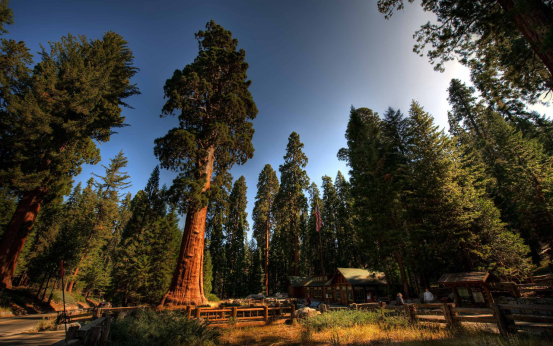
Imagine standing under a tree that sprouted before the pyramids of ancient Egypt were built. It is a towering redwood tree with a thick trunk and thick bark, whose roots are deeply rooted in the earth and extend through thousands of years. Facing this awe-inspiring giant, you can’t help but feel a kind of humility and awe that you have never experienced before – the California redwood is undoubtedly one of the greatest creatures on earth.
These temperate rainforest giants, also known as coast redwoods (Sequoia sempervirens), are the tallest trees in the world. They inhabit a small area along the California coast, where the air is always filled with a fresh, moist mist. Redwoods are not only giants of nature, but also wonders of the ecosystem.
Huge size and long life
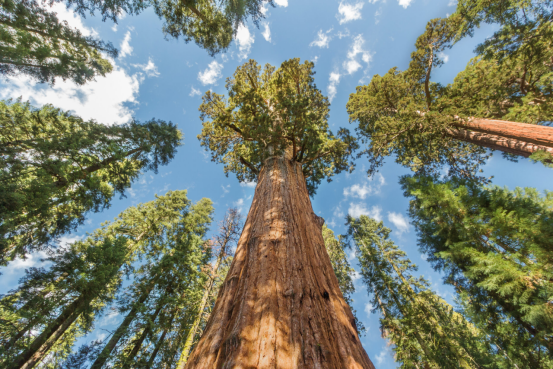
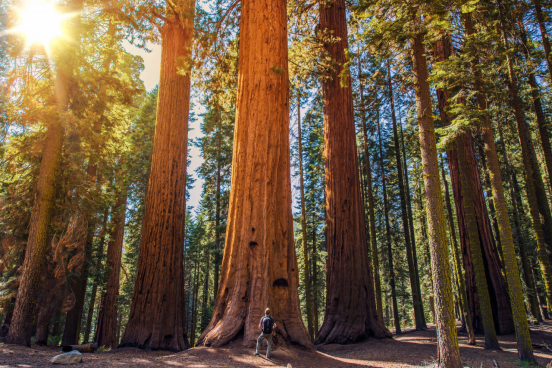
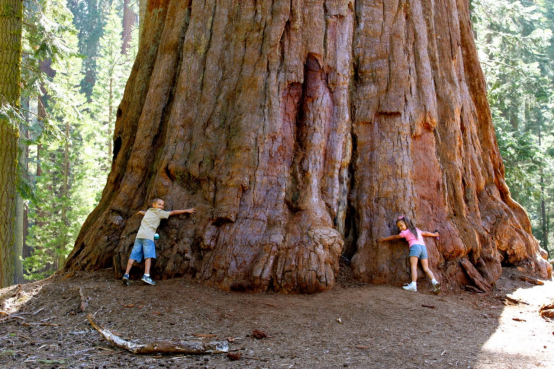
The size of these trees is astonishing, and there is almost no building that can compare to them. The trunk diameter of the redwood tree can reach 9 meters (29 feet), which means that their volume is enough to build a six-bedroom house! And their height can even allow you to talk to the sky. Redwood trees that are more than 100 meters high have surpassed the height of most modern buildings, giving people an immersive sense of hugeness and shock.
In the life of redwoods, time seems to be less important. They have a long lifespan, with some trees living for more than 2,000 years. Although growing at a rate of 1 to 2 feet per year seems slow, it ensures that they thrive over a long period of time. These “time capsules” not only witness the changes of nature, but also carry thousands of years of history.
The ecological role of redwoods: a shelter for life
The shelter of redwoods
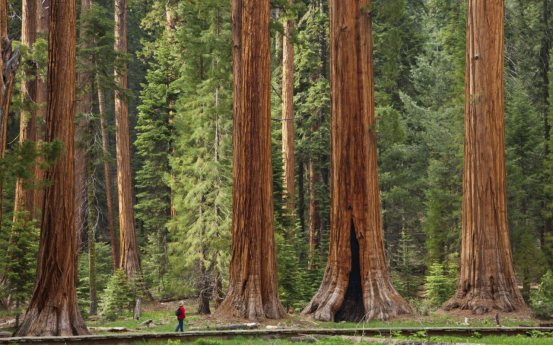
Redwood trees are not only giants of nature, they also play a vital role in the ecosystem. Their existence creates a large and complex chain of life. Under the shelter of these trees, thousands of plants and animals thrive. Underground mosses, ferns, and groups of bryophytes together form a unique little world. You can even hear the calls of various birds among the branches, such as spotted owls and dark-capped blue jays, while the ground is home to mountain lions and Roosevelt elk.
Fog and Water
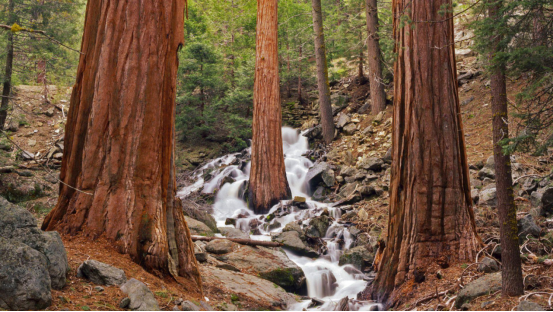
The special climate of the California coast, which is always shrouded in humid fog, provides a constant supply of water to redwood trees. In the dry summer, redwood trees continue to grow by absorbing moisture from the air. Although their root systems are not deep, redwood trees can draw what they need from the moisture in the air and the moisture in the soil. This special adaptation mechanism enables redwood trees to survive in harsh environments.
The patience and adaptability of redwoods
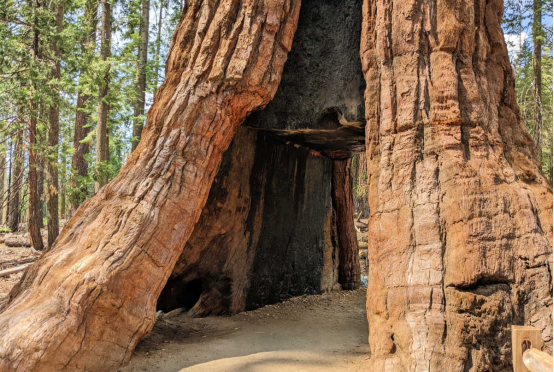
Redwood trees are the “vitality giants” of nature. Not only do they grow exceptionally strong in extremely harsh environments, they also have a strong ability to recover. The bark of redwood trees is thick and elastic, which can effectively resist forest fires. Some redwood trees can even resume growth after a fire and continue to grow upward. This tenacious vitality is one of the reasons why they are the kings of the forest.
Adapting to different environments
Redwood trees can grow between 0 and 2,300 meters above sea level and are widely distributed in humid temperate areas. Whether in humid river valleys, hillsides, or dry areas blown by wind, redwoods can adapt to different climatic environments by adjusting the angle and density of their leaves. This extraordinary adaptability allows them to survive and reproduce on this planet for a long time.
The cultural symbolism and economic value of redwood
Culture and Symbolism
In many indigenous cultures, redwood is regarded as the “Tree of Life”. It not only symbolizes life, hope and rebirth, but is also used in various cultural ceremonies. Especially in the Indian culture of North America, redwood is often used for sacrifice and treatment of diseases, becoming a part of the spiritual life of the tribe.
Economic Value
Redwood wood plays an important role in the construction and manufacturing industries due to its unique texture and hard and durable properties. It is widely used in the fields of construction, furniture making, shipbuilding, etc. In addition, the flowers, leaves, fruits and bark of redwood trees are rich in medicinal ingredients. They are used to make natural ointments, aromatic essential oils, and to treat certain diseases.
The protection and future of redwood trees
As human activities intensify, the habitat of redwood trees faces increasingly severe threats. Problems such as deforestation and climate change have brought heavy pressure to these ancient lives. Therefore, the protection of redwood trees is particularly important.
Challenges of protection and management
To ensure that the ecological environment of redwood trees is not destroyed, scientists and environmental organizations have begun to take a series of protection measures. For example, they have established nature reserves, restricted illegal logging activities, and raised public awareness of redwood protection. At the same time, through the continuous monitoring and management of scientific researchers, they strive to keep these giant trees thriving in the forests of the new era.
environmental
awareness increases, the focus on the protection of redwood trees is also increasing. Each of us should realize that redwood trees are not only a miracle of nature, but also our common responsibility. Only through collective efforts can we ensure that this natural wonder can be passed on forever.
Conclusion: Nature’s Blessing and Human Responsibility
The greatness of redwood trees lies not only in their size, but also in their vitality and contribution to the natural ecology. They are like guardians of nature, carrying history and nourishing countless creatures. Each of us should respect these ancient lives with a humble attitude, cherish and protect our ecological environment, and let redwood trees and other natural miracles continue to coexist with us.

Related Posts