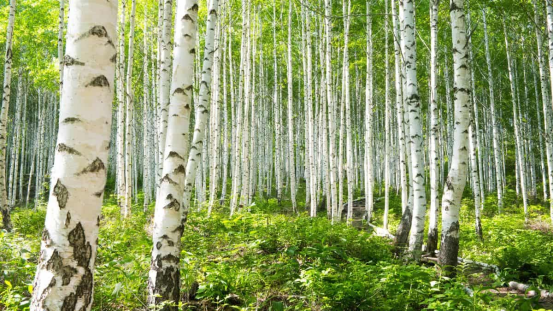
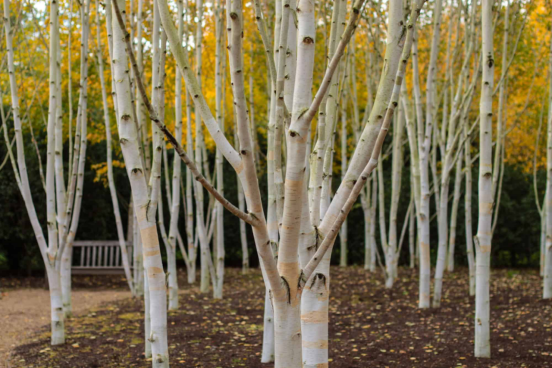
Birches (Betula) occupy an important position in the temperate and boreal zones of the Northern Hemisphere with their unique beauty and powerful ecological functions. They are flowering medium-sized deciduous trees with thin, papery bark and oval or sharply triangular leaves. The white birch is particularly beautiful, and its autumn color changes are intoxicating: golden yellow, orange, and fiery red interweave into a vivid picture. Even more unique is that the bark of birch presents a variety of tones such as white, silver, and black, especially the white birch, which peels in layers, with a white outer layer full of transverse lenticels and an orange-yellow inner layer. This not only gives birch a unique aesthetic value, but also has very important biological functions.
Birch Diversity and Identification
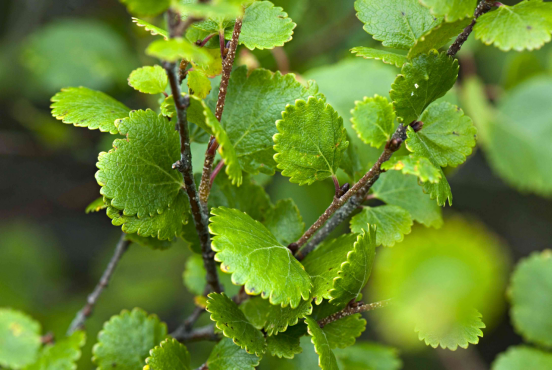
Birch is a representative of the genus Betula in the Betulaceae family. There are about 60 species of birch in the world, of which white birch, silver birch, and paper birch are the most common. These tree species differ in morphology, the way the bark peels off, and the shape of the leaves. For example, the bark of some birches is very thin and peels off in long strips, while the bark of other birches does not peel off. The leaves of birch trees are usually egg-shaped, triangular, or diamond-shaped, with irregular, heavily serrated edges and pinnate veins. They show a tender green color in spring and summer, and turn golden in autumn, becoming a beautiful scenery in the autumn forest.
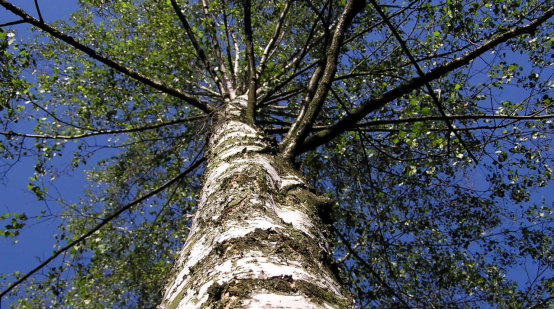
The biological charm of birch trees
The reason why birch trees are so special in nature is because of their important role in the ecosystem. The bark of birch trees reflects strong sunlight, preventing the trunk from being burned in severe winters, while its multi-layered structure helps regulate water evaporation, thereby increasing resistance to pests and diseases. This allows birch trees to survive extreme climate conditions and provide space for other plants to grow. In addition, birch trees have a well-developed root system that can effectively fix the soil and prevent soil erosion, making them an important plant for preventing desertification and maintaining water sources.
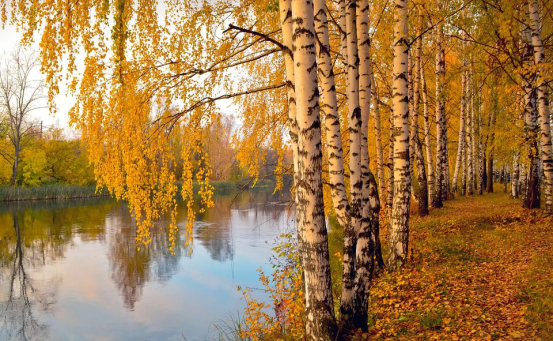
The fecundity and ecological role of birch
Birch trees are known for their amazing reproductive capacity. Their fruits are small nuts, and when they mature, their seeds can be spread by the wind. There can be 5,000-8,000 seeds per gram! This powerful reproductive capacity makes birch trees a pioneer tree species, often taking root in wasteland or other areas where plants are difficult to grow, thus creating conditions for the growth of subsequent plants. The fallen leaves of birch trees decompose quickly in the soil, and the nutrient-rich organic matter has a significant effect on improving soil quality. Their “soil improver” characteristics make them play an indispensable role in the ecosystem.
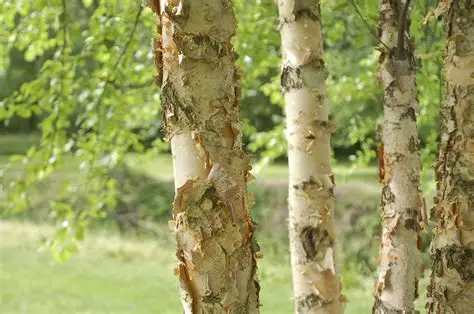
The economic value of birch and human culture
Birch not only makes a great contribution to ecology, but also plays an important role in the economic and cultural fields. Birch wood is hard and fine, with beautiful texture, so it is often used to make furniture, floors and handicrafts. Tar can be extracted from birch bark, which is used in traditional crafts to make daily utensils. Especially in Siberia, birch bark is still widely used in folk handicrafts.
In addition, birch sap is a precious natural drink in spring. The transparent sap is rich in amino acids, minerals and antioxidants and is often used to make healthy drinks. The unique health benefits of birch sap have also made it an indispensable part of many ethnic cultures.
Birch has an extremely important position in Russian culture. The white birch is regarded as the “national tree”. Its image frequently appears in poetry, paintings and folklore, symbolizing purity and the power of life. In China, the Ewenki people have listed birch bark culture as an intangible cultural heritage, and the birch bark weaving technique has been passed down for thousands of years. In Norse mythology, the birch symbolizes rebirth and purification. Shamans even believe that it is a “bridge” between heaven and earth, with the spirituality of connecting heaven and earth.
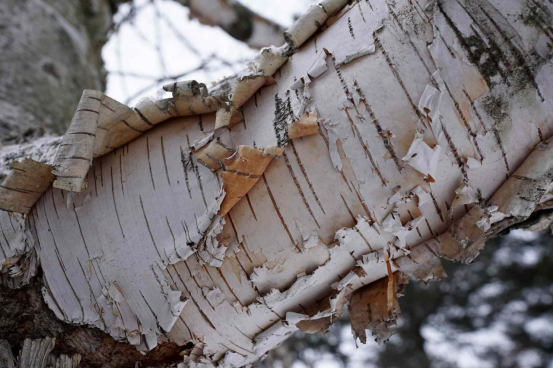
Discoveries of modern medicine
Modern medical research has also found that many components of birch have pharmacological value. Betulinic acid in birch bark has anti-tumor activity, while flavonoids in birch leaves have preventive and therapeutic effects on cardiovascular diseases. These studies have provided new scientific basis for the in-depth development and utilization of birch, and also brought a new understanding of the resource value of birch.
Climate response of birch trees
As global climate change intensifies, the distribution range of birch trees around the world is changing. In the Northern Hemisphere, birch tree forests are expanding to higher latitudes and higher altitudes, and the migration of birch trees has become an important indicator for scientists to study the response of vegetation to global warming. This migration behavior of birch trees not only reflects the sensitivity of plants to environmental changes, but also provides important data for ecological research.
The beauty of form and ecological landscape
Birch trees are not only ecological builders, but also beautiful in form. Whether it is the tall white birch or the sturdy hazel, they all show the ingenuity and power of nature. The trunks of birch trees are as white as snow, and the branches and leaves sway gently in the breeze. The new buds in spring and the golden color in autumn all make people feel the vitality of life.
Birch trees are found all over the world, in the cold north, in the warm south, and even on hillsides and river valleys. Whether it is a cold winter or a warm spring or autumn, birch trees always leave a deep mark in nature in their own unique way.
Harmonious coexistence between man and nature
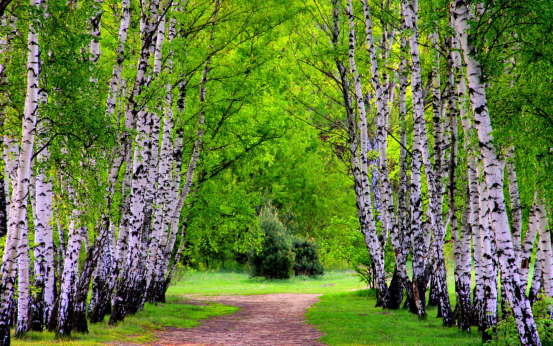
The existence of birch trees is not only a part of nature, but also a symbol of the harmonious coexistence of humans and nature. In the birch forest, the sun shines through the branches and leaves, and the light and shadow interweave, making people feel tranquility and peace. This is a paradise for animals to live and a holy place for human souls to rest. With every breath, it seems that you can smell the fragrance of the trees and hear the sound of nature’s heartbeat. The growth of birch plants tells us that humans and nature can coexist in such harmony.
The life of birch trees carries the wisdom and beauty of nature, and has also left a strong mark in the fields of culture and medicine. Their story continues, painting an eternal chapter on the canvas of nature.

Related Posts