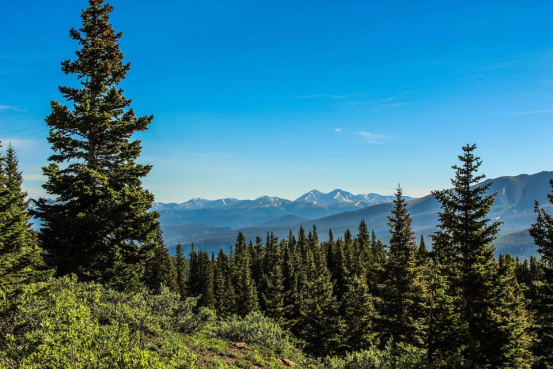
The cedar, also known as the Japanese cedar, is an evergreen conifer native to Japan that has demonstrated strong vitality and unique ecological functions in the temperate forests. Known as the “forest guardian”, the cedar not only occupies an important position in Japanese culture, but its contribution to the natural ecosystem cannot be underestimated. As a giant tree that grows in a humid environment, the cedar plays an indispensable role in the forest ecology.
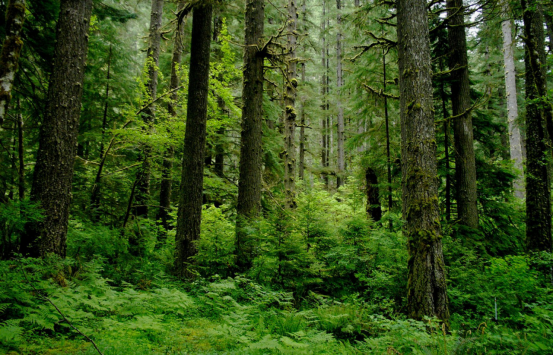
Growth characteristics of fir trees
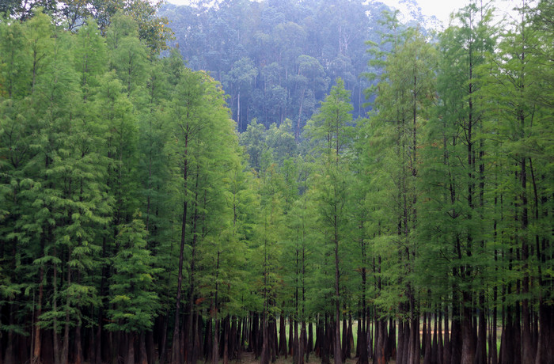
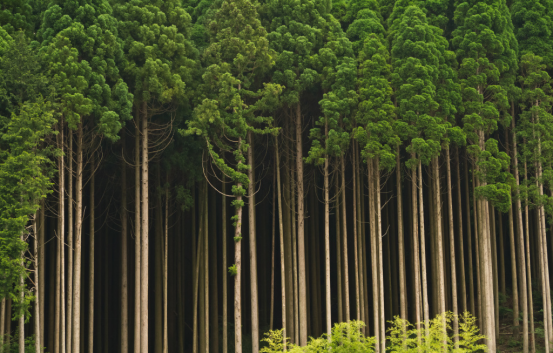
The fir tree is an evergreen tree that likes a humid environment. It usually grows in warm climates, especially in high-altitude mountains or humid coastal areas. It has an upright and straight tree shape, with a tall trunk that can usually grow to more than 30 meters. The tall crown often adds a sense of magnificence and tranquility to the forest.
Strong adaptability and wide growth environment
Fir trees are highly adaptable to the environment and can grow on a variety of soil types, including acidic soil, sandy soil, and fertile soil rich in nutrients. Their deep roots stabilize the trees and draw water from the deep soil, ensuring that they can grow vigorously even in the dry season. Although the growth cycle of fir trees is long, usually taking 50 to 100 years to mature, its growth rate is relatively fast, especially when it is young, and it can grow 30 to 60 cm per year.

Properties of bark and wood
The bark of the fir tree is gray-red, rough and textured. As the tree ages, the bark gradually peels off, creating a unique visual effect. Its wood is dense, tough and has good corrosion resistance, so it is widely used in the production of buildings, furniture and other wooden crafts.
Ecological Contribution of Chinese Fir Trees
The ecological contribution of fir trees is extremely important and plays a vital role in maintaining ecological balance, protecting water sources and providing habitats.
Soil and Water Conservation and Landslide Prevention
The root system of cedar trees is well developed and deeply rooted in the soil, which can effectively prevent soil erosion. They are usually planted in mountainous and hilly areas to stabilize the mountains, control soil erosion and reduce the occurrence of mudslides. Especially in the mountainous areas of Japan, cedar trees are used as water source protection trees to prevent rain erosion and landslides.
Biological habitats and biodiversity
Fir forests are home to a variety of plants and animals. Birds, insects, and small mammals can all inhabit the branches and leaves of fir trees. Under the protection of fir trees, mosses, ferns, and shrubs on the forest floor can also thrive, further enriching biodiversity.
Carbon dioxide absorption and climate regulation
As they grow, fir trees absorb a large amount of carbon dioxide and release oxygen, helping to purify the air. By fixing carbon, fir trees help slow the accumulation of greenhouse gases and combat global warming. Their strong wood can fix carbon dioxide for a long time, becoming a natural “carbon sink.”
Providing raw materials and resources
The wood of the fir tree is hard, resistant to decay and has beautiful texture, so it is widely used in many fields such as construction, shipbuilding, and furniture making. Its wood is not only an important building material, but also used to make chemical products such as paper and barrel resin, becoming an important resource in economic activities.
The cultural and historical value of Chinese fir trees
The cedar tree plays an important role in Japanese history and culture. It is considered a sacred symbol and is planted around many temples and shrines. In particular, in Japanese beliefs, the cedar tree is considered a sacred tree, symbolizing longevity, wisdom and prosperity. Many important cultural ceremonies and rituals are closely related to the cedar tree.
In addition, the cedar tree is praised as the “tree of life” in many literary works and artistic creations and has become a part of Japanese culture.
Protection and Sustainable Utilization of Chinese Fir
Despite the important role of fir trees in the ecosystem, with the advancement of modernization, over-logging and habitat destruction have posed a certain threat to fir populations. Therefore, protecting fir trees and their growing environment has become an urgent issue. In order to ensure the sustainable growth of fir trees, many countries and regions have taken protective measures, such as establishing nature reserves, formulating reasonable logging policies, and strengthening ecological monitoring.
Through scientific management and rational use, we can maintain ecological balance while meeting economic needs, ensuring that the fir trees can prosper in the long term and continue to contribute to the ecological environment and human society.

Conclusion
The fir tree is not only a giant in nature, but also an indispensable role in the ecosystem. They provide us with clean air, stable mountains and rich biodiversity, and their wood also brings countless economic benefits to mankind. As a tree species with a long history and profound cultural heritage, the fir tree has irreplaceable value in ecology, culture and daily life.
Protecting the fir trees is protecting our future. They are not only the guardians of nature, but also our common responsibility.

Related Posts