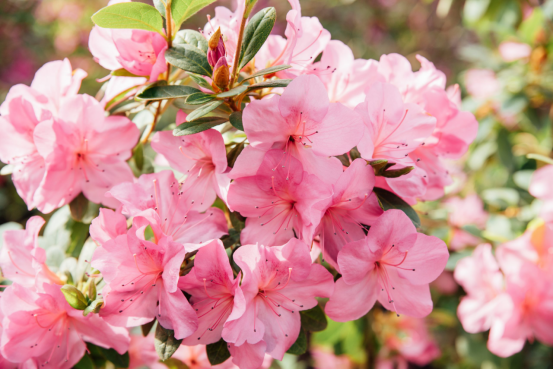
Rhododendron is one of nature’s most amazing plant families, with more than 1,200 species distributed in temperate and tropical regions, especially in the forests of Asia, North America and Europe. Every rhododendron seems to tell the secrets of nature. Can you imagine? In this land, the habitat of rhododendrons ranges from sea level to 16,000 feet above sea level, covering almost all climate zones: mountains, forests, and even temperate rainforests. These places are both challenging and full of vitality for plants.
Rhododendrons stand out from the crowd because they grow in these complex and ever-changing environments. Their growth forms range from low ground cover plants to 100-foot-tall trees, and different growth states bring different colors and layers to the forest. Their flowers, whether white purity, red passion, or purple mystery, bloom in the spring breeze, as if nature has used the most delicate brush to draw beautiful pictures. What’s even more amazing is that the flowering period of rhododendrons spans all four seasons: some varieties can even bloom in January, while others bloom tirelessly in the autumn of September.
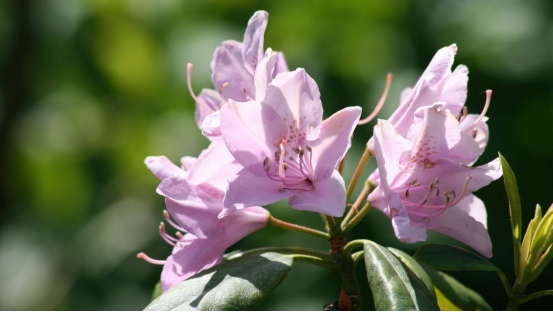
Rhododendron habitats in temperate forests: a tacit dance between humans and nature
In temperate forests, azaleas usually live in moist, cool forest understory, where the soil is slightly acidic and sunlight shines through the treetops. This seemingly peaceful environment hides challenges for their survival. Who would have thought that in these seemingly inconspicuous corners, azaleas can grow and flourish with amazing resilience? Their roots are firmly rooted in the soil, protecting the surrounding plants from erosion and maintaining the stability of the entire ecosystem. These flowers are the pulse of life deep in the forest. Whether it is blooming flowers or gradually withering leaves, they are telling us that the cycle of life and death never stops on this land.
Rhododendrons often grow in the forest edge, where sunlight shines through the treetops, providing the right amount of light and water for many other plants to grow. In this habitat, rhododendrons not only provide shelter for other plants, but also rely on the symbiosis of surrounding plants, forming a unique ecological network.
Isn’t this the wisdom of nature? Every azalea, every leaf, every ray of light is part of nature’s clever design. They seem to have no direct connection, but in fact they support each other and thrive together.
Rhododendron and Temperate Forests: Ecological Resonance and Protection of Biodiversity
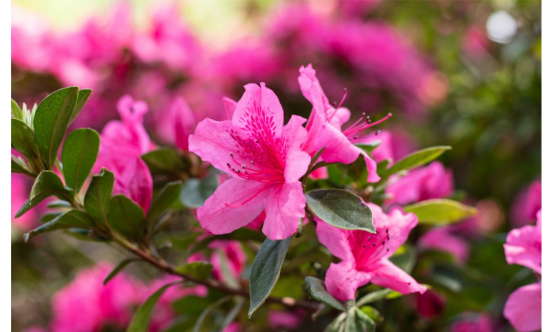
When the spring breeze blows, the flowers of the azalea begin to bloom. They are not only beautiful decorations, but also play an important role in the ecosystem. In temperate forests, the nectar and pollen of the azalea provide a rich food for many birds and insects. Especially in spring, the flowering period of the azalea is almost a feast for the biological world. Imagine the swarms of bees, butterflies and honeyeaters that gather in these flowers, and they depend on each other to form a vivid natural picture.
The flowering period of azalea lasts from early spring to early summer, and some varieties of azaleas even bloom tenaciously in autumn. This long flowering cycle becomes a food supply source for many migratory birds, helping them maintain their vitality during the difficult migration process. It can be seen that azaleas are not only a decoration of the forest, but also an important part of the ecological balance.
Have you ever wondered why the flowering period of azaleas is so special? They seem to be saying, “Spring begins with me.” The blooming of each flower is a declaration of the season and a display of vitality.
The cultural symbol of azalea: a profound resonance of emotion and spirit
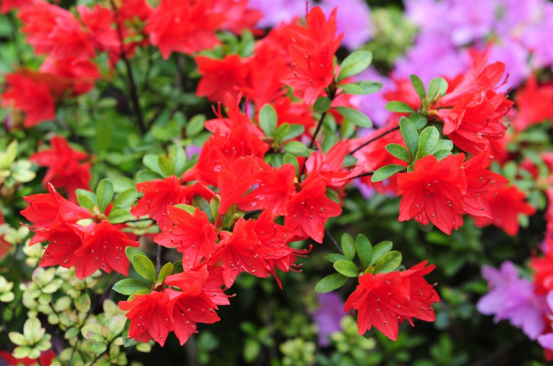
In addition to being the life pulse of temperate forests, rhododendrons carry a wealth of cultural and spiritual symbols. They are not only works of art from nature, but are also deeply connected to the human emotional and spiritual world. In many cultures, rhododendrons are seen as a symbol of love, passion and power. Its gorgeous flowers and tenacious vitality are like the deep desire for truth and power in the human heart.
The Chinese associate azaleas with passion and feminine strength, believing them to represent a fearless spirit. In Japan, azaleas are an important part of the spring season, symbolizing happiness and prosperity. In the West, azaleas represent moderation and emotional restraint, and are often given to those who express gratitude or recognition.
However, the symbolism of the azalea does not stop there. Its flower language also contains the meaning of tenacity, overcoming and strength, because it can thrive in the most difficult environments. Just like each of us, when facing various difficulties in life, we can also draw the indomitable strength from the azalea.
The mystery and challenge of azalea: danger and charm coexist
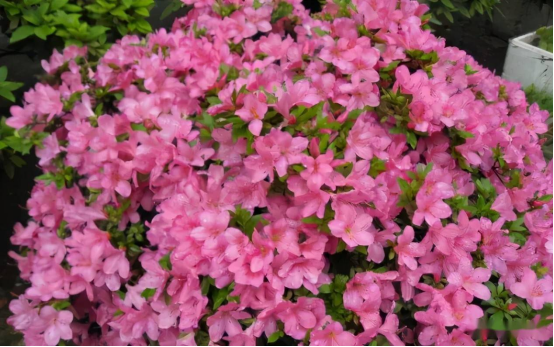
In addition to its ornamental and cultural value, azaleas have an exciting and slightly mysterious side. The nectar of some azaleas is even toxic, known as “crazy honey.” This toxicity can affect the human nervous system, and there have been cases of poisoning from accidentally eating these nectar plants. Despite this, azaleas have become a precious symbol in many cultures because of their beauty and unique temperament.
In Nepal, the azalea is regarded as a symbol of national pride, while in Japan, it is one of the most beloved flowers, often appearing in gardening, art and even daily life. It not only attracts countless people’s attention, but also contributes huge biodiversity to the surrounding ecosystem. In these vivid stories, we can’t help but ask: Is the azalea, like other miracles in nature, with its mysteries and challenges, inviting us to explore, understand and protect?
Conclusion: The Power and Beauty of Azalea
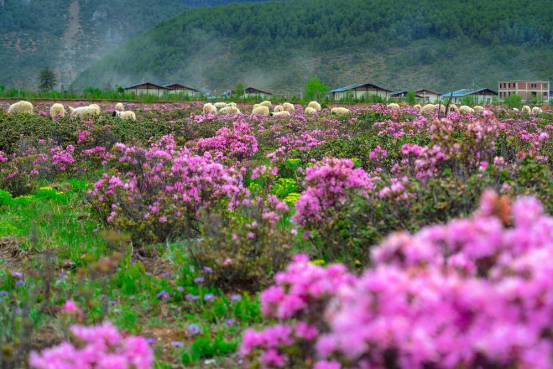
The story of azaleas is a chapter where nature and human emotions interweave. From its tenacious vitality to its profound symbolism in culture, azaleas have always touched our hearts in their own unique way. They not only provide important support for biodiversity in temperate forests, but also play an irreplaceable role in human history and culture.
When we gaze at the blooming azaleas, do we feel a resonance that transcends time and space? They carry the wonders of nature and the fragility of life, reminding us to cherish every life and be grateful for every inch of land. Azaleas, here, become a bridge for us to communicate with nature, calling on us to jointly protect this beauty and balance.

Related Posts