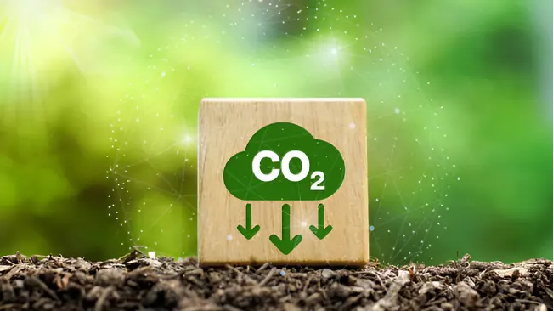
As the challenges of global climate change become more urgent, how to effectively respond to these changes has become a focus of global attention. Among the many response strategies, forest carbon sequestration is undoubtedly a vital natural solution. By capturing and storing carbon dioxide in the atmosphere, forests offer great potential for mitigating climate change. However, what is the mechanism behind this natural therapy? What significant benefits can it bring? And how can we accurately measure the capacity of carbon sequestration through scientific and technological means to ensure its role in global climate governance?
Exploring how forests sequester carbon and understanding their potential is critical knowledge for policymakers, environmental enthusiasts, and everyone concerned about global climate change.

What is carbon sequestration?
Carbon sequestration, in short, is when carbon dioxide (CO₂) in the atmosphere is “captured” and stored in solid or liquid form, thereby preventing it from contributing to the greenhouse effect and further driving global warming. Much of this process occurs in forests through photosynthesis – trees and other vegetation absorb carbon dioxide and convert it into organic matter, providing the nutrients necessary for plant growth and reproduction. In this regard, forests are called “carbon sinks” because they not only absorb carbon, but also store it in biomass above and below the ground, including living plants and dead organic matter (such as fallen leaves, decaying roots, etc.).
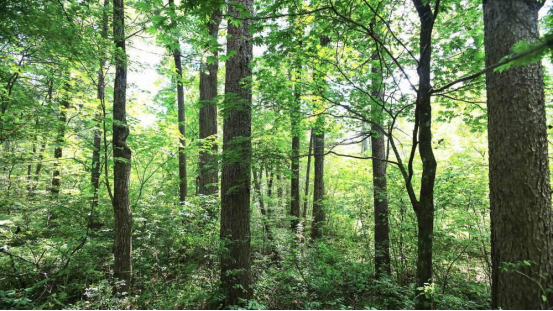
Temperate forests: a unique carbon sink ecosystem
Temperate forests, located between the tropics and the Arctic, have a mild climate and distinct seasons, and are important global carbon sinks. Compared with tropical rainforests, temperate forests have different species composition and ecological structure, but they also play a vital role in carbon sequestration. These forests are composed of deciduous trees (such as oak, maple, birch, etc.) and evergreen trees. Their photosynthesis is particularly vigorous in warm seasons. The organic matter formed after the leaves fall in autumn and winter provides fertile nutrients for the soil, further enhancing the soil’s ability to store carbon.
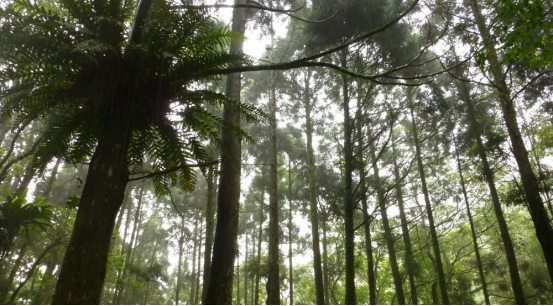
Photosynthesis and carbon storage in trees: nature’s carbon catcher
Photosynthesis is a crucial part of forest carbon sequestration. Trees absorb carbon dioxide from the air and convert it into organic matter, providing the necessary nutrients for their growth. When trees grow to a certain size, the carbon they store also increases greatly, becoming an important carbon pool. Parts such as trunks, branches and leaves all act as “carbon sinks”.
So how does this carbon storage affect climate change? As forests continue to mature, the carbon storage capacity of trees continues to increase, but this is not static. Factors such as land use changes and climate change will directly affect the carbon storage capacity of trees, which also poses new challenges to our forest management in global climate governance.
Forest floor soil: the “underground hero” of carbon sequestration
You may not know that forest soils also play a vital role in carbon sequestration! The decomposition process of organic matter and microbial activity in the soil are important pathways for carbon storage. Forest soils include not only litter layers, root systems, and decaying plant materials, but also a large amount of organic carbon formed by microbial decomposition. Through these processes, carbon is continuously transferred to the soil and stored. More importantly, the storage of carbon in the soil not only helps mitigate climate change, but also enhances soil fertility and resists erosion and degradation.
Imagine if we could protect and manage forest soils more effectively, these “underground heroes” would play a huge role! In fact, with the changes in the global ecological environment, the carbon storage mechanism of forest soils is facing unprecedented pressure, so understanding and optimizing these mechanisms is crucial to improving carbon storage capacity.
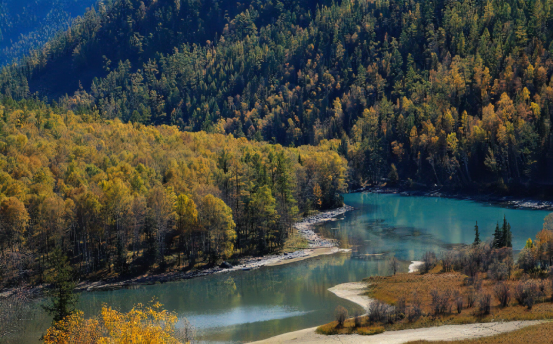
Carbon sequestration advantages and challenges in temperate forests
Compared with tropical forests, temperate forests are less affected by human activities and are able to maintain a stable carbon sequestration capacity over time. Measures such as controlling logging, protecting old forests and promoting sustainable forest management are key to ensuring the carbon sequestration capacity of temperate forests. However, as global warming intensifies, the carbon storage capacity of temperate forests is also threatened. For example, the increase in extreme climate events may lead to forest fires, pest outbreaks and other problems, which in turn affect its carbon storage efficiency.
But should we just let this happen? Of course not! With the help of technology and innovative management methods, we can definitely improve the carbon sequestration capacity of temperate forests. For example, advanced monitoring technology can help scientists measure forest carbon sequestration more accurately and develop more effective forest protection and management strategies based on this.
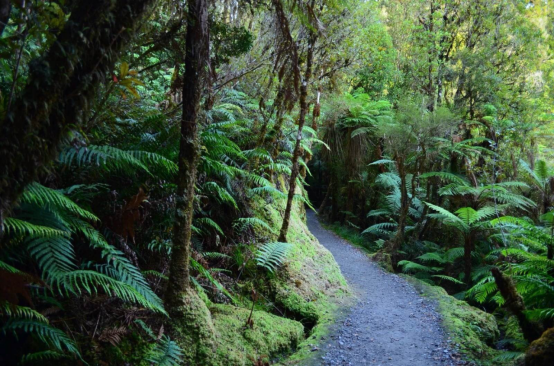
Global Initiatives and the Future of Carbon Storage
Globally, more and more initiatives and policies are promoting the realization of forest carbon sequestration. The “REDD+” program under the United Nations Framework Convention on Climate Change, carbon trading markets and other mechanisms provide countries with a way to incentivize forest carbon sequestration. In addition, some international organizations and non-governmental environmental protection organizations are also committed to promoting global forest protection and restoration through education, scientific research and practice.
However, in the face of the severe situation of climate change, is forest carbon sequestration alone enough? Perhaps it is not the only solution, but it is undoubtedly one of the most promising, natural and lasting ways. In the global climate response, forests are not only an important “carbon catcher”, but also an important pillar of ecological balance.
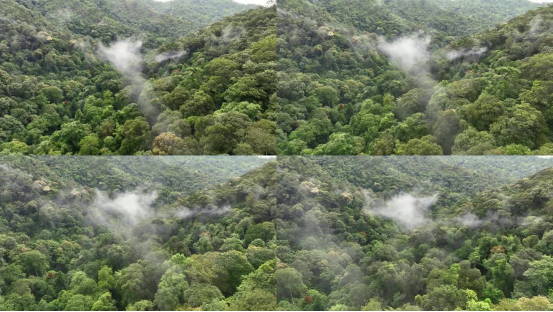
Conclusion: Forests are our future
As we face the growing challenge of climate change, forest carbon sequestration is not only a technology or measure, but also a responsibility for the future. Forests, as one of the oldest ecosystems on Earth, have provided us with ecological services for millions of years. It is time to pay more attention to their carbon sequestration role, take effective protection and restoration actions, and let forests play a greater role in mitigating global climate change and stabilizing the Earth’s climate.
By protecting temperate forests and their ecosystems, we are not only protecting the future of the Earth, but also providing a sustainable solution to global climate change. Whether this natural solution can truly change the direction of the climate requires our joint efforts and continued attention.

Related Posts