Temperate forests, this vast and rich natural world, are filled with countless lives quietly performing their reproduction and inheritance. In these forests, plants do not simply rely on “self-sufficiency” to continue their lives, but interact deeply with insects, wind and even animals in various clever ways. Through the process of pollination and seed dispersal, they cleverly interweave their own destiny with other lives in nature. Their efforts and persistence seem to be telling the wonders and mysteries of nature. So, how do these plants ensure that their offspring can survive and thrive in a highly competitive environment?
1. Pollination: the ingenious pairing of life
1.1 Insect pollination: a loving dialogue between flowers and insects
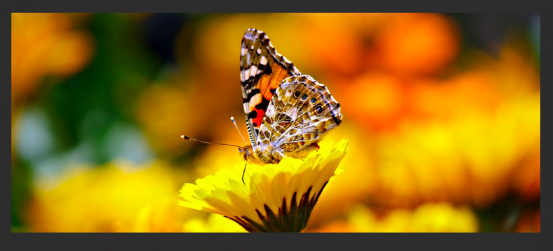
Imagine a peaceful sea of flowers in a temperate forest. A breeze blows and colorful flowers quietly bloom. At this moment, a bee flies in, gently lands on a flower, absorbs nectar, unconsciously sticks pollen on its body, and continues to fly to the next flower. Every vibration of its wings silently completes a profound cooperation and the transmission of life.
Insect pollination is the most common and vital way for temperate plants to reproduce. Tiny insects such as bees, butterflies, and flies have become the “messengers” of plant life. Through their unremitting efforts, they transfer pollen from one flower to another, allowing plants to complete the fertilization process.
Temptation of color and fragrance: Have you ever noticed that the flowers of temperate plants always seem to have some kind of inexplicable tacit understanding with insects? The bright purple, yellow, and even the unique fragrance of the flowers seem to be carefully designed to attract insects. Insects are called by these attractive colors and fragrances and start their journey with pollen.
The wonder of mutualism: Perhaps it is this mutually beneficial relationship that makes the “dialogue” between insects and plants so moving. Insects need nectar as food, and plants reward insects’ “hard work” through nectar to promote pollen dissemination.
However, is this wonderful cooperation really unchallenged? Insects are so dependent on the nectar provided by flowers, so without the participation of insects, would these plants be in trouble for reproduction?
1.2 Wind pollination: a calm and efficient “invisible assistant”
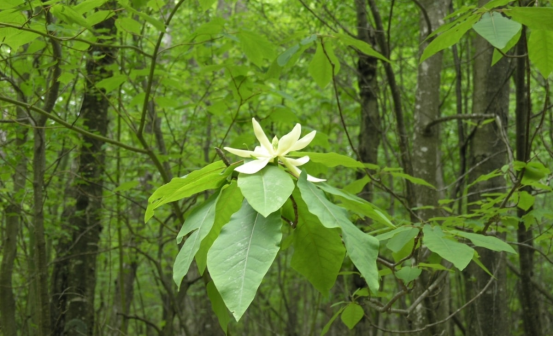
Unlike the passionate and intuitive pollination of insects, wind pollination seems to be a calmer and more rational force of nature. When you walk into a temperate forest, you may not see the wind, but it quietly spreads seeds and raises pollen. Wind pollination relies not on the activity of insects, but on the invisible air flow in nature.
Wind-pollinated plants, such as pine and birch, do not have bright flowers and fragrance to attract insects, nor do they have beautiful nectar to induce small creatures to come. In the design of the life of these plants, pollen is produced in large quantities to ensure that it can be delivered to distant pistils by the power of wind even without the help of insects.
Pollen flies like snowflakes: The pollen produced by wind-pollinated plants is extremely light, just like flakes of snow, light and omnipresent. They use the power of the wind to cross the borders of the forest and spread their genetic information to distant places.
Silent power: Wind, this invisible force, can send the vitality of plants to any possible place, even to a corner far away from the mother plant. It allows plants to expand their territory and break the originally limited living space.
However, can wind pollination really ensure the survival of plants? Imagine if the wind is in the wrong direction or too weak, how can the pollen find their “target”? Wouldn’t this “seemingly perfect” way of propagation have some unexpected challenges?
2. Seed dispersal: the journey of life
2.1 Wind propagation: light traveler
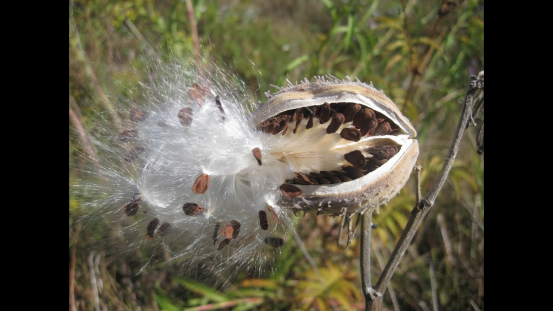
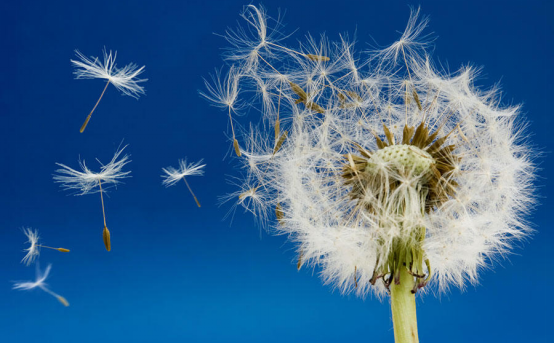
Wind dispersal is a kind of freedom and expansion ability given to plants by nature. Plants that spread seeds through the wind seem to tell us that in nature, life is not static, but always flowing and moving forward. Have you ever seen dandelion seeds dancing in the autumn wind? They are like small kites, dancing lightly in the air, starting their long journey.
Wind-dispersed seeds are so light that some even have wing-like structures or hair-like attachments that they can carry themselves to new places with the help of the wind. Such seeds can cover larger areas and help plant populations expand from their original habitats to wider spaces.
Seeds as light as a feather: Imagine seeds floating gently, drifting with the wind, crossing forests and valleys. They carry the future of plants, like tiny meteors, looking for their own foothold in the vast world.
Crossing barriers: Wind-dispersed seeds are not confined to the vicinity of the parent plant; they can cross the edges of forests and even human-built roads and buildings, delivering plant life to new lands.
However, is this method of propagation really reliable? Can a seed find its ideal habitat in the wind? If the wind stops, how can the seed continue its journey?
2.2 Animal transmission: the “carrier” of life
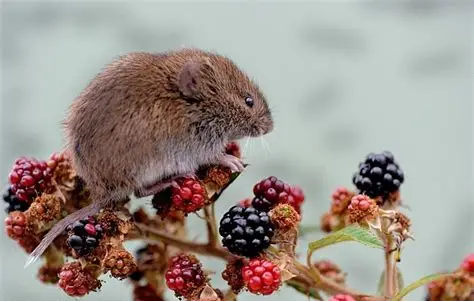
When it comes to seed dispersal, animals are undoubtedly the most emotional “porters”. In temperate forests, many plant seeds are spread to new places with the help of animals. Animals unknowingly carry seeds away when searching for food, or even spread them in completely different places through feces. This method of dispersal not only increases the survival chances of plants, but also enhances the complexity and interconnectedness of ecosystems.
Attached seeds: The surface of the seeds of some plants is covered with hook-like structures. When animals pass by, the seeds will attach to their fur. When the animals leave, the seeds follow them to distant places. This method of propagation seems to be full of ingenious design, as if the seeds themselves are also taking a “fateful journey”.
The connection between fruits and feces: Some plants have seeds hidden in fruits, and animals eat the fruits and eventually carry the seeds to new places through excrement. In this way, plants can not only spread their seeds with the help of animal “migration”, but also avoid competition with parent plants.
3. Conclusion: Infinite Possibilities of Life
Plants in temperate forests, on the stage of nature, perform wonderful life stories through pollination and seed dispersal. Their interaction with insects, wind, and animals is not only a biological reproduction process, but also a manifestation of the interweaving and symbiosis of countless lives in nature. How do these plants cleverly pass on their genes? Can the various natural forces they rely on ultimately guarantee the continuation of species?
Perhaps the answer is not simple. But it is this complex, changeable and unknown natural force that makes the song of life in the temperate forest so moving, full of endless surprises and possibilities.

Related Posts