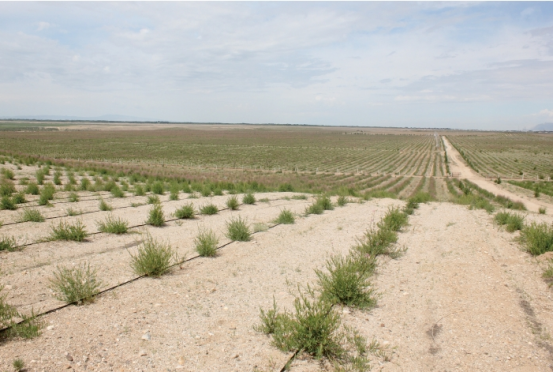
Introduction: The Unyielding Spirit of Desert Flora
Desert environments, characterized by extreme temperatures, scarce water resources, and often nutrient-poor soils, represent some of the planet’s most challenging ecosystems. Yet, within these formidable landscapes, a remarkable array of flora not only survives but thrives, showcasing an unparalleled capacity for adaptation and resilience. These extraordinary organisms, collectively known as desert plants, have evolved intricate mechanisms to cope with aridity, intense solar radiation, and nutrient scarcity, making them invaluable subjects of study and critical components of global biodiversity.
The significance of desert plants extends far beyond their mere survival. They play a dual and pivotal role in both ecological restoration and human well-being. Ecologically, they are frontline defenders against desertification, acting as natural architects that stabilize soils, enrich nutrient cycles, and foster microclimates essential for other life forms. In the realm of human health, indigenous communities have, for millennia, harnessed the potent medicinal properties of these resilient species, transforming them into traditional remedies for a vast spectrum of ailments. This guide delves into the profound contributions of desert plants, exploring their ecological resilience in regreening arid lands and their powerful applications in traditional medicine, thereby bridging ancient wisdom with modern scientific understanding.

Desert Plants as Architects of Soil Health and Regreening
The escalating crisis of desertification, driven by climate change and unsustainable land management practices, threatens fertile lands globally, impacting food security and biodiversity. Desert plants emerge as critical natural allies in combating this degradation, actively participating in soil formation, stabilization, and enrichment. Their unique adaptations are not merely for individual survival but serve as foundational processes for ecosystem recovery and the potential regreening of arid and semi-arid regions.
Combating Desertification: A Global Imperative
Desertification is a severe form of land degradation in dryland areas, resulting from various factors including climatic variations and human activities. It affects over a third of the Earth’s land surface, impacting billions of people and leading to widespread poverty and environmental migration. The urgent need for sustainable land management and ecological restoration strategies is paramount. Desert plants offer a nature-based solution, acting as pioneer species that initiate and accelerate the recovery of degraded ecosystems.
Root Systems: Anchors of Stability and Life
The subterranean architecture of desert plants is a marvel of natural engineering, crucial for both survival and soil health. They exhibit diverse root strategies:
- Deep Taproots: Many desert shrubs and trees, such as the Mesquite (Prosopis spp.), develop extensive taproots that can penetrate dozens of meters into the ground, accessing deep water tables. These roots physically bind soil particles, providing exceptional erosion control and preventing the displacement of topsoil by wind and water.
- Extensive Shallow Root Networks: Cacti and other succulents often possess widespread, shallow root systems that efficiently capture fleeting surface moisture from light rains or dew. These networks also form a protective mesh, stabilizing the upper soil layers and promoting water infiltration rather than runoff.
Beyond physical stabilization, these root systems contribute to soil structure by creating channels that improve aeration and water penetration, fostering a healthier environment for microbial life.
Organic Matter and Nutrient Cycling
In barren desert soils, organic matter is scarce, limiting nutrient availability. Desert plants are instrumental in breaking this cycle of infertility:
- Biomass Contribution: As leaves, stems, and roots decompose, they steadily release organic matter into the soil. This organic material acts as a sponge, significantly improving the soil’s water-holding capacity and reducing evaporation.
- Nutrient Release: Decomposed organic matter slowly releases essential nutrients like nitrogen, phosphorus, and potassium, which are then available for other plants and soil organisms. This process is vital for initiating broader ecological succession.
- Nitrogen-Fixing Legumes: A significant contribution comes from desert legumes, such as various species of Acacia and Mesquite. These plants host symbiotic bacteria in their root nodules that convert atmospheric nitrogen into a usable form (ammonia), effectively enriching the soil’s nitrogen content – a critical limiting nutrient in arid environments. This natural fertilization mechanism is a cornerstone of desert ecosystem productivity.
Fostering Microbial Ecosystems and Biocrusts
Desert plants do not work in isolation; they create conditions that support a thriving subterranean world:
- Microclimates: The shade provided by desert plants reduces soil surface temperatures and evaporation, creating cooler, moister microclimates beneath their canopies. These conditions are conducive to the proliferation of diverse soil microorganisms, including bacteria, fungi, and archaea, which are essential for nutrient cycling and decomposition.
- Biological Soil Crusts (BSCs): Also known as biocrusts, these living soil surfaces are composed of cyanobacteria, lichens, mosses, and microfungi. Desert plants often facilitate the establishment and growth of biocrusts by providing initial soil stability and organic inputs. BSCs are crucial for:
- Soil Stabilization: Their filaments and hyphae bind soil particles, preventing erosion.
- Nitrogen Fixation: Cyanobacteria within the crusts fix atmospheric nitrogen.
- Moisture Retention: Biocrusts increase the infiltration and retention of water in the upper soil layers.
The symbiotic relationship between desert plants and biocrusts is a powerful force in restoring degraded lands.
Practical Strategies for Desert Regreening Initiatives
Leveraging the natural capabilities of desert plants, several strategies are employed in large-scale regreening efforts:
- Native Species Selection: The success of any regreening project hinges on selecting plant species that are naturally adapted to the local climate, soil conditions, and hydrological cycles. Biodiversity is enhanced by using a mix of native trees, shrubs, and grasses, ensuring ecological balance and resilience.
- Innovative Water Harvesting: Given water scarcity, techniques that capture and store rainwater are vital. These include creating berms (small ridges), swales (depressions), check dams (small barriers in watercourses), and implementing contour farming to slow runoff and maximize infiltration.
- Soil Amendments: To jumpstart soil health, amendments like biochar (charcoal produced from biomass pyrolysis), compost, and inoculants containing beneficial microbes (e.g., mycorrhizal fungi) can significantly improve soil structure, nutrient availability, and water retention, especially in severely degraded areas.
- Protection and Management: Young plants and recovering soils need protection. This often involves establishing windbreaks using hardy shrubs or artificial barriers, implementing controlled grazing practices to prevent overbrowsing, and fostering strong community involvement to ensure long-term sustainability and stewardship.
Global initiatives like the Great Green Wall in the Sahel region of Africa, which aims to plant an 8,000 km barrier of trees and vegetation, exemplify the large-scale application of these principles. Similarly, innovative Israeli desert agriculture techniques and extensive Chinese desertification control efforts demonstrate the potential for transforming barren landscapes into productive and ecologically stable areas through strategic plant utilization.

Ancient Wisdom, Modern Cures: Desert Plants in Traditional Medicine
Beyond their ecological prowess, desert plants hold a profound legacy in human health, serving as a vital pharmacopeia for indigenous cultures across arid regions. For millennia, these resilient species have been the cornerstone of traditional healing systems, a testament to their potent medicinal properties. The dialogue between this ancient wisdom and modern scientific inquiry continues to reveal the vast therapeutic potential locked within desert flora.
A Legacy of Healing: Indigenous Knowledge Systems
For cultures dwelling in harsh desert environments, such as Native American tribes, Bedouin communities, and Aboriginal peoples, the ability to identify and utilize medicinal plants was crucial for survival. Through generations of empirical observation, trial, and error, an intricate body of knowledge was developed regarding the healing properties of local flora. This knowledge encompasses not only the plants themselves but also specific preparation methods, dosages, and spiritual contexts, representing a sophisticated understanding of natural medicine long before modern pharmacology.
Key Phytochemical Properties of Desert Adaptogens
The extreme conditions of desert environments have driven desert plants to produce a diverse array of phytochemicals – bioactive compounds that enable them to survive and thrive. Many of these compounds possess properties highly beneficial to human health:
- High Antioxidant Content: To cope with intense UV radiation and oxidative stress, desert plants often produce high levels of antioxidants, including flavonoids, carotenoids, and phenolic acids. These compounds help protect human cells from damage by free radicals, contributing to anti-aging and disease prevention.
- Anti-inflammatory Compounds: Many desert species contain compounds that can modulate inflammatory responses in the body, offering potential relief for conditions like arthritis, skin irritations, and digestive inflammation.
- Antimicrobial and Antifungal Defenses: Plants produce natural compounds to defend against pathogens in their environment. These compounds often exhibit broad-spectrum antimicrobial, antiviral, and antifungal activities, making them valuable for treating infections.
- Adaptogenic Qualities: Some desert plants exhibit adaptogenic properties, helping the body adapt to various stressors (physical, chemical, biological) and restore physiological balance. While not all desert plants are adaptogens, their resilience often correlates with compounds that enhance human stress response.
Spotlight on Medicinal Desert Plants and Their Uses
Numerous desert plants have garnered attention for their therapeutic benefits:
- Aloe Vera (Aloe barbadensis miller): Perhaps the most globally recognized desert succulent, Aloe Vera is renowned for its soothing and healing properties. The gel from its leaves is widely used topically for burns, cuts, skin irritations, and to promote wound healing due to its anti-inflammatory and antiseptic compounds. Internally, it is consumed for its digestive benefits, acting as a mild laxative and aiding in gut health.
- Prickly Pear Cactus (Opuntia spp.): This iconic cactus is a nutritional powerhouse. Its pads (nopales) and fruits (tunas) are rich in fiber, vitamins, minerals, and potent antioxidants. Traditional uses and modern research suggest its efficacy in managing blood sugar levels for diabetes, lowering cholesterol, and supporting weight management. It also possesses significant anti-inflammatory properties.
- Jojoba (Simmondsia chinensis): Native to the Sonoran Desert, Jojoba produces a unique liquid wax (often called oil) that closely resembles human sebum. This makes it an excellent moisturizer and conditioner for skin and hair. It is non-comedogenic, anti-inflammatory, and rich in vitamin E, making it ideal for treating acne, eczema, and dry skin conditions.
- Date Palm (Phoenix dactylifera): While primarily a food source, the Date Palm also offers significant medicinal benefits. Dates are packed with essential nutrients, fiber, and antioxidants, contributing to digestive health, energy, and possessing anti-inflammatory and antioxidant effects. Traditional medicine also utilized various parts of the tree for different ailments.
- Moringa Oleifera: Though often found in semi-arid rather than purely desert regions, Moringa is a “miracle tree” renowned for its exceptional nutritional and medicinal profile. Its leaves are incredibly rich in vitamins, minerals, and amino acids. Research indicates potential anti-diabetic, anti-cancer, anti-inflammatory, and antimicrobial properties, making it a valuable plant for nutritional supplementation and traditional remedies.
- Chaparral (Larrea tridentata): Also known as Creosote Bush, Chaparral has a long history of use by Native American tribes for a variety of conditions, including respiratory ailments, skin conditions, and as an anti-inflammatory. Modern research has identified potent antioxidants like NDGA (nordihydroguaiaretic acid). However, its use requires caution due to potential liver toxicity in high doses or prolonged use, highlighting the importance of scientific validation and dosage control.
Bridging the Gap: Modern Science Validating Traditional Use
The empirical knowledge passed down through generations is increasingly being scrutinized and validated by modern science. This interdisciplinary approach involves:
- Pharmacological Screening: Scientists are actively isolating and identifying the specific bioactive compounds (e.g., alkaloids, terpenoids, polyphenols, saponins) responsible for the observed medicinal effects in desert plants. This involves sophisticated analytical techniques to characterize novel molecules.
- Clinical Trials: Rigorous clinical trials are conducted to scientifically validate the efficacy and safety of plant extracts for specific ailments, determining optimal dosages and potential side effects. This process transforms traditional remedies into evidence-based therapies.
- Drug Discovery Potential: Desert flora represents a vast, underexplored frontier for new drug discovery. The unique survival mechanisms of these plants often involve novel biochemical pathways, offering blueprints for developing new pharmaceutical agents to address contemporary health challenges, from antibiotic resistance to chronic diseases.
Challenges and Ethical Considerations
While the potential is immense, several challenges and ethical considerations must be addressed:
- Sustainability of Wild Harvesting vs. Cultivation: Over-harvesting of wild desert plants can lead to species endangerment and ecosystem degradation. Sustainable cultivation practices are crucial to meet demand without depleting natural populations.
- Biopiracy and Intellectual Property Rights: There is a significant ethical concern regarding the commercial exploitation of indigenous knowledge without equitable benefit-sharing with the communities that originally discovered and preserved this wisdom. International frameworks aim to protect traditional knowledge and ensure fair compensation.
- Standardization of Herbal Extracts and Quality Control: Unlike pharmaceutical drugs, natural plant extracts can vary significantly in their chemical composition and potency depending on growing conditions, harvesting time, and processing methods. Developing standardized extracts and robust quality control mechanisms is essential for consistent therapeutic outcomes and patient safety.

The Future of Desert Plants: Sustainable Solutions and Scientific Exploration
The future potential of desert plants in addressing global challenges, from climate change and land degradation to public health, is immense. Realizing this potential requires a concerted effort in sustainable management, advanced scientific research, and inclusive policy-making. These plants are not merely survivors; they are blueprints for resilience and innovation.
Cultivation and Conservation
To ensure the long-term availability of desert plants for both ecological restoration and medicinal uses, robust strategies for cultivation and conservation are essential:
- Sustainable Agricultural Practices: Developing and implementing farming techniques specifically tailored for arid and semi-arid regions can enable the large-scale cultivation of valuable desert species. This includes optimizing water use through drip irrigation, utilizing drought-resistant varieties, and integrating agroforestry systems that mimic natural desert ecosystems. Such practices reduce pressure on wild populations while providing economic opportunities.
- Ex-situ and In-situ Conservation Efforts: Ex-situ conservation involves preserving plant species outside their natural habitats, such as in botanical gardens, seed banks, and germplasm repositories. This acts as a safeguard against extinction. In-situ conservation focuses on protecting species within their natural environments, through the establishment of protected areas, habitat restoration, and community-based conservation programs that involve local populations in stewardship.
Biotechnology and Genetic Research
Advances in biotechnology and genetic research offer powerful tools to unlock and enhance the inherent capabilities of desert plants:
- Enhancing Stress Tolerance: Genetic engineering and molecular breeding techniques can be used to identify and transfer genes responsible for extreme drought tolerance, heat resistance, and salinity tolerance into other crops or to enhance these traits in desert plants themselves, making them even more robust for regreening efforts.
- Optimizing Medicinal Compound Production: Biotechnology can also be employed to increase the yield or concentration of specific bioactive compounds in medicinal desert plants. This could involve optimizing growth conditions, using tissue culture techniques for mass propagation, or even genetically modifying plants to produce higher levels of desired pharmaceuticals, reducing the need for extensive wild harvesting.
- Understanding Genetic Mechanisms for Adaptation: Genomic sequencing and functional genomics studies are providing unprecedented insights into the genetic basis of desert plant adaptations. Understanding these mechanisms can inform future conservation strategies and facilitate the development of new crops better suited to changing climates.
Policy and Community Engagement
Effective policy frameworks and active community involvement are fundamental to the success and sustainability of desert plant initiatives:
- Governmental Policies Supporting Desert Restoration: National and international policies that prioritize combating desertification, protecting biodiversity, and promoting sustainable land use are crucial. This includes funding for research, establishing protected areas, and providing incentives for farmers and communities to adopt eco-friendly practices.
- Empowering Local Communities: Engaging indigenous and local communities, who often possess invaluable traditional knowledge about desert plants, is paramount. Empowering them through education, training, and equitable benefit-sharing agreements ensures that conservation and development efforts are culturally appropriate, sustainable, and respectful of intellectual property rights. Community-led initiatives often have the highest success rates for long-term ecological restoration and resource management.
By integrating these approaches, desert plants can continue to offer profound solutions for a sustainable future, serving as symbols of hope and resilience in an increasingly challenging world.
Frequently Asked Questions (FAQ)
- Q1: What are the primary ecological benefits of desert plants?
- Desert plants are vital for ecological stability, primarily by preventing soil erosion with their extensive root systems, enriching barren soils through organic matter decomposition and nitrogen fixation (e.g., legumes), and fostering diverse microbial communities and biological soil crusts. They create essential microclimates, enhance water infiltration, and are crucial in combating desertification and promoting biodiversity in arid regions.
- Q2: How do desert plants adapt to extreme conditions like water scarcity and high temperatures?
- Desert plants employ a range of remarkable adaptations. These include morphological features like succulent stems (cacti) for water storage, small or absent leaves to reduce transpiration, deep taproots to access groundwater, or shallow, widespread roots to capture surface moisture. Physiologically, they may use CAM photosynthesis to open stomata at night, minimizing water loss, and produce stress-response compounds like antioxidants to protect against intense UV radiation and heat.
- Q3: Which desert plants are commonly used in traditional medicine, and for what purposes?
- Several desert plants have significant medicinal value. Aloe Vera is widely used for skin conditions, burns, and digestive health. Prickly Pear Cactus is utilized for managing diabetes, cholesterol, and its antioxidant properties. Jojoba oil is a popular moisturizer and anti-inflammatory for skin and hair. Date Palm fruits offer nutritional and anti-inflammatory benefits. Other examples include Moringa (semi-arid) for comprehensive nutrition and Chaparral (with caution) for various traditional remedies.
- Q4: How does modern science validate the traditional medicinal uses of desert plants?
- Modern science validates traditional uses through pharmacological screening to identify and isolate bioactive compounds responsible for therapeutic effects. This is followed by rigorous laboratory testing and clinical trials to confirm efficacy, safety, and optimal dosages. This scientific approach helps to understand the mechanisms of action, develop standardized extracts, and potentially lead to the discovery of new pharmaceutical drugs based on traditional knowledge.
- Q5: What are the main challenges in utilizing desert plants for regreening and medicinal purposes?
- Key challenges include the inherent scarcity of water in arid environments, which limits growth rates for regreening efforts. For medicinal uses, concerns include the sustainability of wild harvesting, which can lead to overexploitation
Ecology guide note: This article is general plant, bird, gardening, and ecology commentary. It is not veterinary advice, medical advice, environmental compliance advice, professional land-management guidance, product testing, or a guarantee of animal welfare, plant growth, ecological impact, or health outcomes.Herbal and health note: Medicinal herbs, supplements, traditional medicine, hormonal balance, ailments, and wellness references are historical or educational context only. They are not medical advice, diagnosis, treatment, prescriptions, supplement recommendations, or safety guarantees. Consult qualified clinicians before using herbs, supplements, or traditional remedies, especially with pregnancy, medications, allergies, or health conditions.

Related Posts