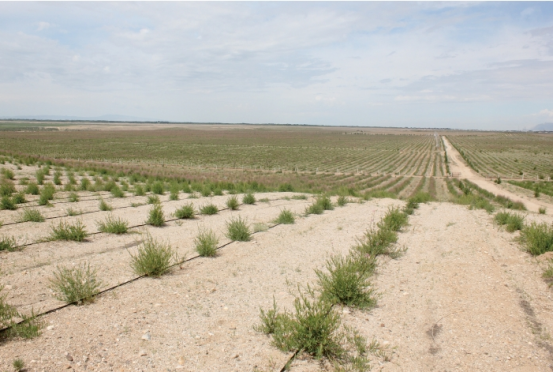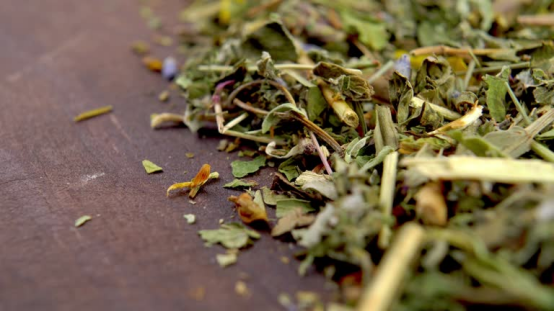
The global herbal medicine market is undergoing a profound transformation. What was once a field dominated by empirical tradition and generational wisdom is now being reshaped by high-precision technology and molecular biology. From the microscopic interactions within soil microbiomes to the complex synthesis of rare compounds in bioreactors, the journey of a medicinal plant from the earth to the medicine cabinet has never been more scientifically rigorous. This guide examines the critical technological pillars—drying, processing, biotechnology, and ecological science—that are defining the next generation of botanical therapeutics.
The Geographical Code: How Soil Microbiomes Shape Medicinal Potency
The concept of “Dao-di” or “authentic” herbs has existed for centuries, suggesting that the geographical origin of a plant dictates its therapeutic value. Modern science has finally identified the hidden driver of this phenomenon: the soil microbiome. The complex community of bacteria, fungi, and archaea surrounding a plant’s roots acts as a biological factory that directly influences the synthesis of secondary metabolites.
The Rhizosphere Influence
The rhizosphere is the narrow region of soil that is directly influenced by root secretions. In medicinal plants, specific microbes in this zone can trigger systemic induced resistance (SIR), leading the plant to produce higher concentrations of protective compounds such as alkaloids, flavonoids, and terpenoids. These compounds, which the plant uses for defense, are often the very active ingredients humans use for medicine.
- Symbiotic Fungi: Mycorrhizal fungi extend the root system’s reach, allowing for better phosphorus uptake, which is critical for the energy-intensive synthesis of complex medicinal molecules.
- Growth-Promoting Rhizobacteria (PGPR): These bacteria can alter the gene expression of the host plant, specifically targeting pathways involved in the production of ginsenosides in Ginseng or artemisinin in Sweet Wormwood.
Soil Health and Active Ingredient Density
Research indicates that soil depletion doesn’t just reduce crop yields; it fundamentally alters the chemical profile of medicinal herbs. When the microbial diversity of the soil is compromised by heavy pesticides or over-farming, the plant lacks the biological “stressors” and nutrient transporters required to develop its full pharmacological potential. This is why wild-crafted or regeneratively grown herbs often test higher for active markers than those grown in sterile, industrial environments.

Revolutionizing Preservation: The Science of Freeze-Drying Technology
Once a medicinal plant is harvested, the clock begins to tick. Traditional drying methods, such as sun-drying or hot-air drying, often result in the significant degradation of heat-sensitive active ingredients. This is where freeze-drying, or lyophilization, has emerged as a revolutionary standard for premium herbal products.
The Mechanism of Sublimation
Freeze-drying works through a process called sublimation, where water is removed from the frozen plant material by turning it directly into gas without passing through a liquid phase. This occurs under a vacuum at extremely low temperatures. Because the plant’s cellular structure remains frozen during the process, the physical matrix of the herb is preserved with minimal shrinkage.
Protecting Heat-Sensitive Compounds
Many of the most potent medicinal compounds are highly volatile or thermolabile. For example, the essential oils in Mentha or the delicate glycosides in certain flowers break down rapidly when exposed to temperatures above 40°C. Freeze-drying operates far below this threshold, ensuring that the chemical “fingerprint” of the fresh plant is almost entirely retained in the dried product.
| Feature | Traditional Air Drying | Freeze-Drying (Lyophilization) |
|---|---|---|
| Temperature | 35°C – 70°C | -40°C to -80°C |
| Active Ingredient Retention | Moderate to Low | Very High (>95%) |
| Physical Structure | Shrunken and Hardened | Porous and Original Shape |
| Rehydration Speed | Slow | Instantaneous |

Decoding Bioavailability: Ancient Processing in the Modern Era
Traditional Chinese Medicine (TCM) utilizes a sophisticated system of herb preparation known as “Pao Zhi.” While these methods—steaming, frying with vinegar, or roasting with honey—may seem archaic, modern pharmacokinetics is revealing that they are actually advanced forms of biochemical engineering designed to increase bioavailability and reduce toxicity.
Molecular Transformation through Heat and pH
The use of additives like rice vinegar or ginger juice during processing isn’t for flavor; it’s to alter the pH and solubility of the herb’s constituents. For instance, frying certain alkaloid-rich herbs with vinegar can convert poorly soluble free alkaloids into soluble salts, significantly increasing their absorption rate in the human digestive tract.
Reducing Toxicity via “Pao Zhi”
Many potent herbs, such as Aconite, contain toxic compounds alongside their therapeutic ones. Ancient processing techniques involve long-term boiling or steaming, which induces the hydrolysis of toxic diester diterpene alkaloids into less toxic monoester alkaloids. This precise thermal degradation allows the herb to be used safely while maintaining its heart-strengthening properties.
- Steaming: Often used to convert starches into sugars or to alter the “energetic” property of an herb, such as transforming raw Rehmannia (cooling) into prepared Rehmannia (tonifying).
- Honey-Frying: Used to coat fibers and slow the release of active ingredients, providing a sustained-release effect.

Sustainability and Ethics: Biotechnology and Rare Material Substitutes
As the global demand for herbal medicine grows, many wild species face extinction. Furthermore, the use of animal-derived materials (such as rhino horn or musk) presents severe ethical and ecological challenges. Biotechnology and synthetic biology are now providing sustainable alternatives that are chemically identical to their wild counterparts.
Synthetic Biology and Yeast Fermentation
Scientists are now able to map the genetic pathways that plants use to create medicinal molecules. By inserting these genes into microorganisms like yeast or E. coli, researchers can “brew” medicinal compounds in large-scale fermentation tanks. This method was famously used to produce artemisinic acid, the precursor to the anti-malarial drug artemisinin, ensuring a stable global supply without relying solely on the Sweet Wormwood harvest.
Cell Culture Technology
For rare plants like the Himalayan Snow Lotus or Wild Ginseng, plant cell culture technology allows scientists to grow only the medicinal cells in a controlled bioreactor. This process eliminates the need to harvest wild plants, avoids the use of pesticides, and results in a product with a highly standardized concentration of active ingredients.

Bridging the Gap: How Modern Science Validates Traditional Mechanisms
The transition “from the lab to the medicine cabinet” involves rigorous validation. Modern pharmacological research is no longer just looking for a “single magic bullet” molecule; it is embracing the “multi-component, multi-target” reality of herbal medicine through network pharmacology.
Network Pharmacology and Systems Biology
Unlike conventional drugs that usually target one specific receptor, herbal formulas contain hundreds of compounds that work synergistically. Modern computer modeling and high-throughput screening allow scientists to see how these multiple compounds interact with various biological pathways simultaneously. This explains why a single herb can often treat multiple symptoms—a concept that was central to traditional medicine but dismissed by early Western science.
Clinical Verification and Standardized Testing
To move into mainstream medicine, herbal products must undergo standardized testing. This includes:
1. Fingerprint Analysis: Using HPLC (High-Performance Liquid Chromatography) to ensure every batch has the same chemical profile.
2. Metabolic Profiling: Studying how the human body breaks down and utilizes the herb.
3. Double-Blind Clinical Trials: Proving efficacy against placebos in controlled human studies.

Optimizing Extraction: The Role of Supercritical Fluids
Beyond drying and processing, the method of extraction determines the final potency of an herbal supplement. Supercritical CO2 extraction has become the gold standard for producing high-purity botanical extracts without the use of toxic chemical solvents.
In this state, CO2 acts as both a gas and a liquid, allowing it to penetrate deep into plant material and dissolve active compounds with high efficiency. Because the process happens at relatively low temperatures and in an oxygen-free environment, it prevents oxidation and thermal degradation, resulting in an extract that is incredibly clean and concentrated.

The Importance of Standardization in Global Herbal Markets
For herbal medicine to be accepted globally, consistency is paramount. Standardization ensures that a consumer in New York receives the same therapeutic dose as a patient in Beijing. This involves not only measuring the “marker compounds” but also ensuring the absence of heavy metals, pesticides, and microbial contaminants.
Modern “Good Manufacturing Practices” (GMP) for herbal medicine now include DNA barcoding to verify the exact species of the plant material, preventing the accidental or intentional substitution of cheaper, less effective, or even dangerous look-alike herbs.

Ecological Synergy: The Future of Cultivation
The future of herbal medicine cultivation lies in “mimicking the wild.” By understanding the geographical code and soil microbiomes, farmers are moving away from monoculture and toward polyculture systems that replicate the plant’s natural environment. This “semi-wild” cultivation produces herbs that are chemically indistinguishable from wild ones but are produced sustainably and reliably.

The Role of Artificial Intelligence in Herb Discovery
Artificial Intelligence (AI) is now being used to sift through thousands of years of traditional texts and cross-reference them with modern genomic data. AI algorithms can predict which herbal combinations are likely to be most effective for specific modern diseases, such as neurodegenerative disorders or metabolic syndrome, drastically accelerating the drug discovery process.

Conclusion: A New Era of Precision Botanicals
The synthesis of ancient processing techniques, sophisticated drying technologies, and the latest in biotechnology is ushering in a new era of “Precision Botanicals.” By respecting the complexity of the whole plant while applying the rigors of modern science, we can ensure that herbal medicine remains a safe, effective, and sustainable pillar of global healthcare for centuries to come.
Frequently Asked Questions (FAQ)
- Q1: Why is freeze-drying better than traditional sun-drying for herbs?
- Freeze-drying uses sublimation under a vacuum at very low temperatures, which prevents the degradation of heat-sensitive active ingredients and volatile oils. It also preserves the cellular structure and color of the herb, leading to better rehydration and a chemical profile that is nearly identical to the fresh plant, whereas sun-drying can cause up to 50-80% loss of certain delicate compounds.
- Q2: What is “Pao Zhi” and why does it matter for bioavailability?
- “Pao Zhi” refers to traditional processing methods like steaming or vinegar-frying. These techniques are scientifically proven to change the chemical structure of herbs—for example, by converting insoluble alkaloids into soluble salts or neutralizing toxins—thereby making the active ingredients easier for the human body to absorb and safer to consume.
- Q3: Can synthetic biology really replace rare wild medicinal plants?
- Yes, in many cases. By using yeast or bacteria as “bio-factories” to produce specific molecules like artemisinin or ginsenosides, we can create compounds that are chemically identical to those found in nature. This protects endangered species from over-harvesting and provides a consistent, sustainable, and pesticide-free supply of medicine.
- Q4: How does soil health affect the quality of a medicinal herb?
- Medicinal plants rely on specific soil microbes (the microbiome) to trigger the production of secondary metabolites. Healthy, microbially diverse soil provides the biological signals and nutrient transport systems the plant needs to develop its full therapeutic potential. Without these microbes, the plant may grow but will lack the “density” of active ingredients required for medicine.
- Q5: What is network pharmacology in the context of herbal medicine?
- Network pharmacology is a modern scientific approach that studies how the multiple compounds in an herb interact with multiple biological targets in the body. Unlike the “one drug, one target” model of Western medicine, network pharmacology maps the complex, synergistic effects of herbal formulas, providing a scientific basis for why whole-plant medicine can be so effective for complex diseases.

Related Posts