The transition from a casual plant hobbyist to a sophisticated indoor or outdoor gardener often begins with a single realization: the container is just as important as the plant itself. While the botanical needs of a species dictate its survival, the vessel it inhabits dictates its growth potential and its contribution to your home’s aesthetic. A “pillar page” approach to planter selection requires us to look beyond mere utility and analyze the thermal properties, porosity, and visual weight of various materials.
Elevating Sophistication: Moving Beyond Basic Plastic
The “plastic pot look” is a common hurdle for many decorators. Standard nursery pots are designed for mass transport and cost-efficiency, not for long-term health or design cohesion. To elevate your space, you must transition toward materials that offer texture, depth, and a sense of permanence. This involves understanding how different finishes—such as matte, glazed, or raw earth—interact with light and shadow in a room.
The Visual Impact of Materiality
When you replace a thin, flimsy plastic container with a heavy stone or thick-walled ceramic piece, the perceived value of the plant increases instantly. This is because high-quality materials suggest an investment in the plant’s longevity. Sophistication is often found in the “imperfections” of natural materials, such as the salt efflorescence on terracotta or the unique grain of a cedar planting box.
- Texture: Rough surfaces provide a grounded, organic feel, while smooth, high-gloss glazes lean toward modern luxury.
- Weight: Heavier pots provide stability for taller plants, preventing the “top-heavy” look that often plagues plastic-potted specimens.
- Edge Detail: Look for planters with finished rims or unique silhouettes that break the standard tapered cylinder shape.
The Fundamental Comparison: Clay vs. Ceramic vs. Plastic
Choosing between clay, ceramic, and plastic is not merely a matter of price; it is a technical decision based on the physiological needs of the plant. Each material handles moisture and temperature differently, which can mean the difference between a thriving root system and root rot. Below is a detailed breakdown of how these materials function in a domestic or garden environment.
| Feature | Clay (Terracotta) | Ceramic (Glazed) | Plastic/Polyethylene |
|---|---|---|---|
| Porosity | High (Breathable) | Low (Non-breathable) | Zero (Air-tight) |
| Weight | Heavy/Stable | Very Heavy | Lightweight |
| Moisture Retention | Low (Dries fast) | High (Holds water) | Very High |
| Durability | Fragile/Can crack in frost | High/Weather resistant | Flexible/May fade in UV |
As seen in the comparison, clay is ideal for plants that prefer “dry feet,” such as succulents or Mediterranean herbs. Ceramic offers a middle ground with high aesthetic value, while plastic remains the king of moisture retention, making it suitable for ferns or tropicals that require consistent humidity.
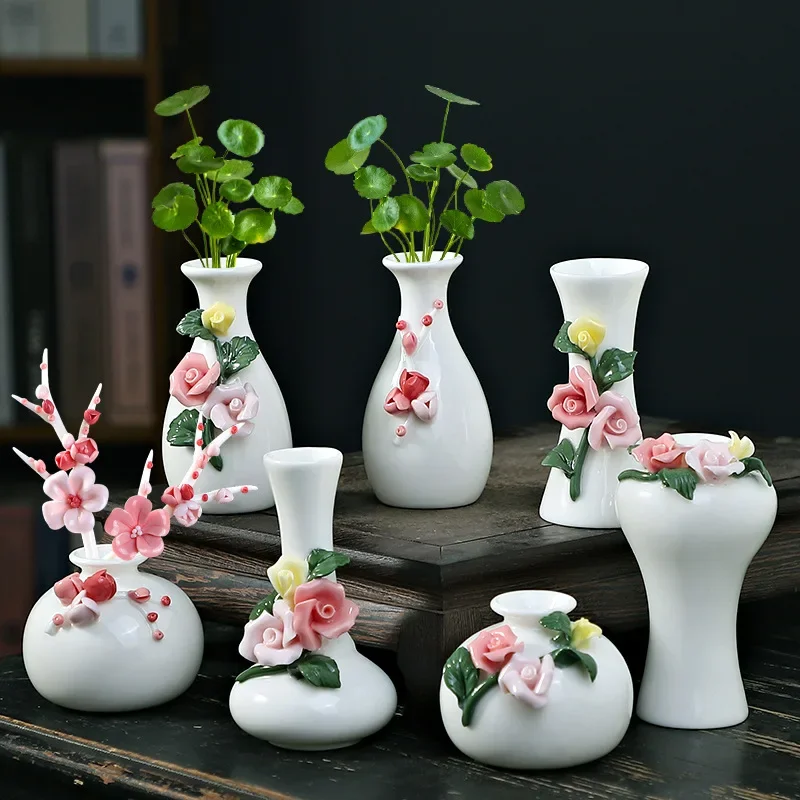
Terracotta and Clay: The Breathable Choice for Healthy Roots
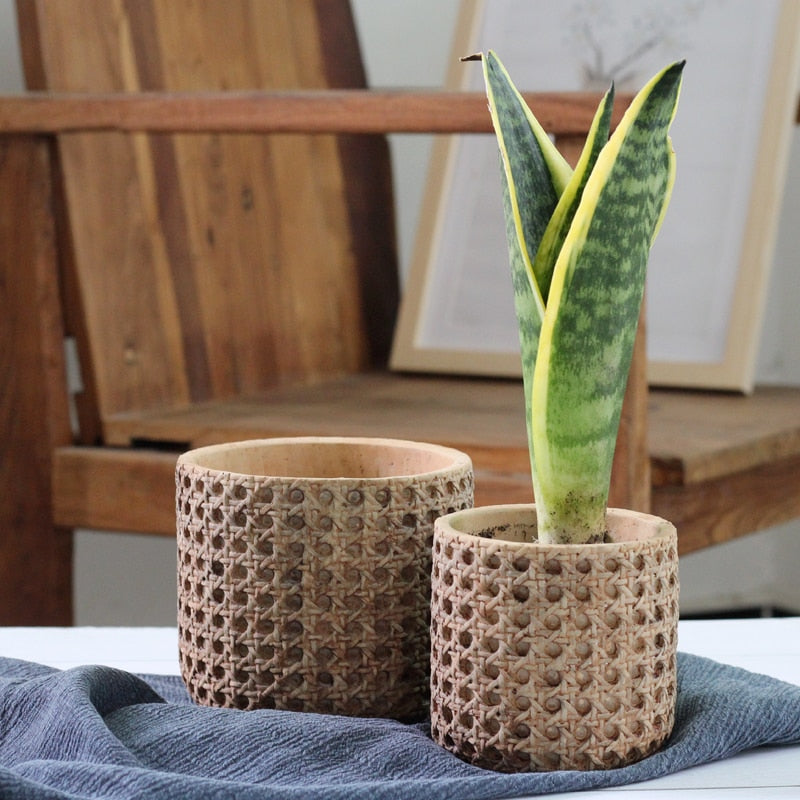
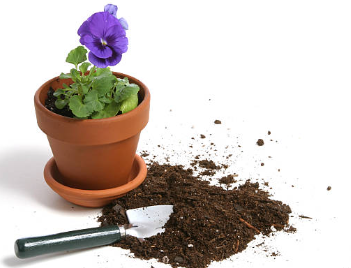
Terracotta, which literally means “baked earth” in Italian, has been the standard for horticultural excellence for millennia. The primary benefit of unglazed clay is its breathability. The walls of the pot are porous, allowing air and moisture to pass through. This creates a natural cooling effect through evaporation, which protects roots from overheating during peak summer months.
Managing Salt and Mineral Buildup
One unique characteristic of clay is its ability to “wick” excess salts and minerals away from the soil. Over time, you may notice a white, powdery film on the outside of the pot. This is not mold; it is the accumulation of minerals from your water and fertilizer. While some gardeners love this “aged” patina for its rustic charm, it can be cleaned with a simple vinegar solution if a cleaner look is desired.

Ceramic Planters: Combining Durability with Artistic Expression
Ceramic pots are essentially clay pots that have been treated with a glaze and fired at higher temperatures. This process vitrifies the material, making it much harder and, crucially, non-porous on the glazed surfaces. This makes ceramic the premier choice for indoor statement pieces where water leakage through the pot walls would damage furniture.
The Importance of Internal Glazing
When selecting high-end ceramic, check if the interior is glazed. If the interior is left raw while the exterior is glazed, the pot may still absorb some moisture, which can lead to the glaze cracking (crazing) over time if the pot is exposed to freezing temperatures. For maximum longevity, fully vitrified ceramic is the professional’s choice.
The Utility of Modern Plastic and Polyethylene Planters
While we often seek to move away from the “cheap” look of plastic, modern high-grade polyethylene and polypropylene containers have significant advantages. They are virtually unbreakable, making them the safest choice for households with pets or children. Furthermore, their lightweight nature is essential for balcony gardening where weight limits are a structural concern.
Overcoming the Aesthetic Limitations of Plastic
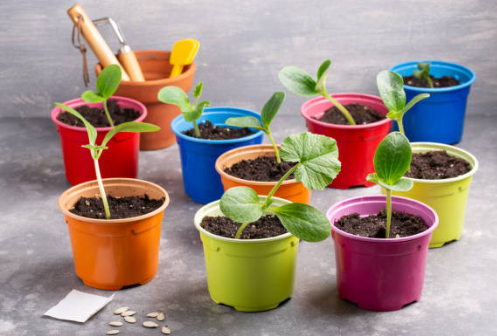
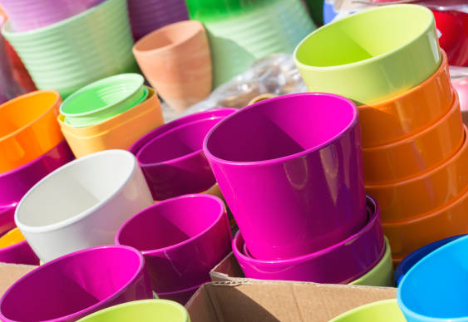
To use plastic without sacrificing sophistication, look for “double-walled” planters. These provide better thermal insulation for the roots and often feature textures that mimic stone, concrete, or lead. Matte finishes in charcoal, slate, or terracotta-orange can often fool the eye, providing the benefits of plastic with the look of premium materials.
Choosing the Right Materials for Garden Planting Boxes
Garden planting boxes, or raised beds, require a different set of material criteria than indoor pots. Because they are in direct contact with the elements 24/7, durability and rot resistance are paramount. Common materials include wood, metal, and composite plastics, each offering a different balance of longevity and cost.
- Soil Volume: Larger boxes require thicker walls to withstand the outward pressure of wet soil.
- Ground Contact: Materials must be able to withstand constant moisture at the base without decaying.
- Thermal Mass: Thicker materials like wood provide better insulation against soil temperature fluctuations.
Wooden Planting Boxes: Natural Insulation and Traditional Style
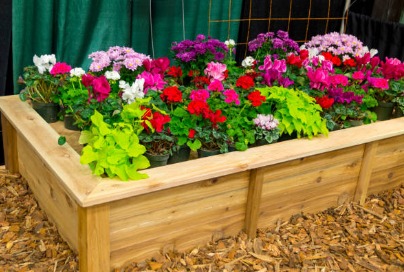
Wood is perhaps the most beloved material for garden boxes due to its natural appearance and excellent insulating properties. Wood keeps the soil cool in the summer and provides a buffer against frost in the winter. However, not all wood is created equal when it comes to garden use.
Cedar and Redwood: The Gold Standard
Cedar and Redwood contain natural oils and tannins that make them inherently resistant to rot and insect infestation. While more expensive than pressure-treated pine, they can last 10-15 years without chemical treatments. This makes them the safest choice for growing edible vegetables, as there is no risk of synthetic chemicals leaching into the soil.

Metal and Galvanized Steel: The Industrial Edge for Modern Gardens
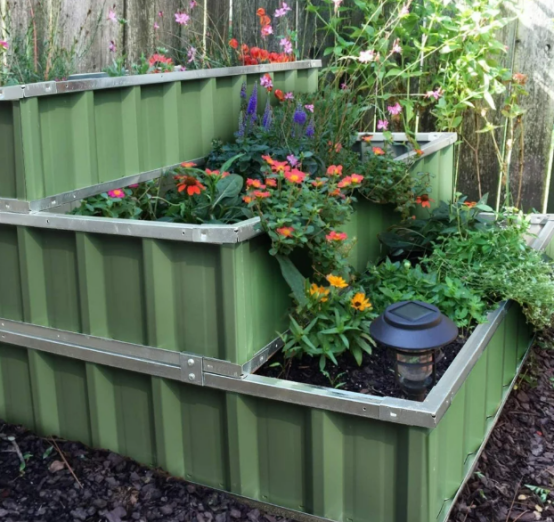
Metal planters, particularly those made of galvanized steel or Corten steel, have surged in popularity in modern landscape design. They offer an incredibly slim profile while maintaining immense structural strength. Galvanized steel is coated in zinc to prevent rust, while Corten steel is designed to develop a protective layer of rust that actually prevents further corrosion.
Thermal Considerations for Metal
The primary drawback of metal is its high thermal conductivity. In direct sunlight, metal walls can become hot enough to “cook” the delicate feeder roots of a plant. To mitigate this, many professional gardeners line the interior of metal boxes with thin sheets of foam insulation or plastic liners to create a thermal barrier between the metal and the soil.
Composite and Alternative Materials for Long-Term Durability
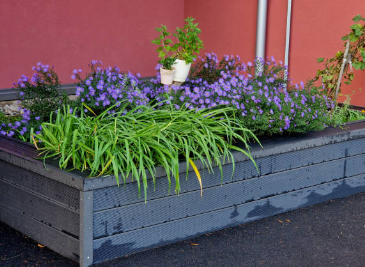
Composite materials, often made from a blend of recycled plastics and wood fibers (WPC), offer the best of both worlds. They provide the aesthetic warmth of wood with the zero-maintenance profile of plastic. These materials do not warp, crack, or rot, making them an excellent investment for permanent garden structures.
Fiberglass and GRC (Glass Fiber Reinforced Concrete)
For large-scale architectural planters, fiberglass and GRC are the industry standards. GRC provides the massive, brutalist look of concrete but at a fraction of the weight, thanks to the glass fiber reinforcement. Fiberglass, meanwhile, can be molded into any shape and painted in automotive-grade finishes for a high-gloss, ultra-modern look.
Design Principles: Harmonizing Planters with Your Living Space
Once you have selected the material based on the plant’s health, you must consider the visual composition. A sophisticated plant display follows the rules of proportion, scale, and color harmony. A common mistake is using too many small pots, which creates visual “noise” rather than a focal point.
The Rule of Three and Varied Heights
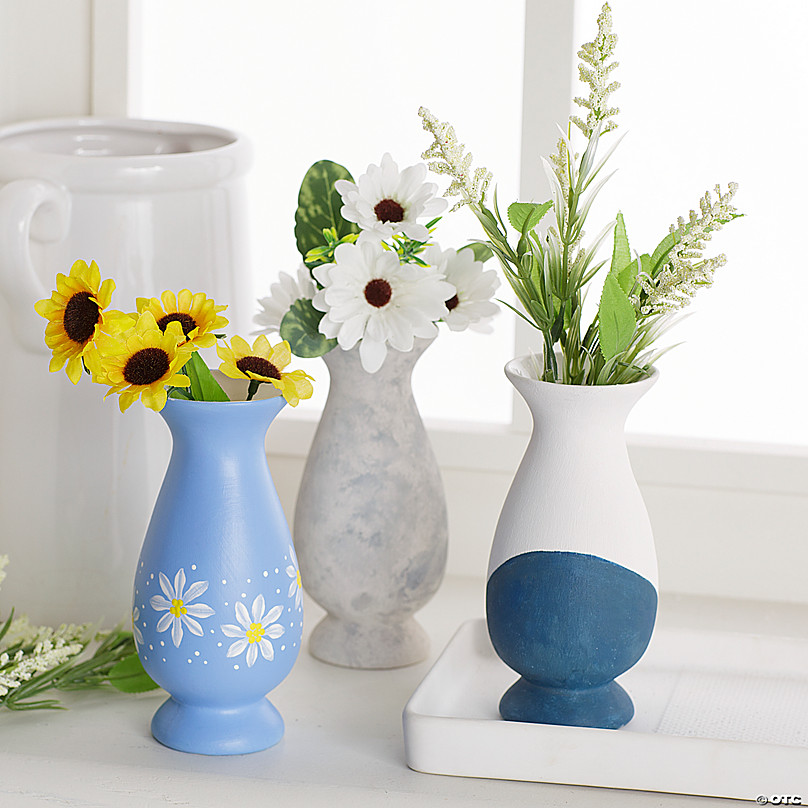
Grouping plants in odd numbers (usually three) is a classic design trick. To make this look professional, use planters of the same material but in different sizes. Alternatively, use a single material “story”—such as all matte black ceramics—but vary the shapes. This creates a cohesive look that feels curated rather than accidental.
Maintenance and Longevity: Caring for Different Planter Materials
To ensure your investment lasts, you must perform material-specific maintenance. For terracotta, this involves soaking the pots in water before planting to prevent them from sucking moisture out of the fresh soil. For wood, an annual application of food-safe linseed oil can extend the life of the box by several years.
Winterization Strategies
In cold climates, “pot freeze” is a major killer of ceramic and clay containers. When water in the soil freezes, it expands, exerting pressure that can shatter even thick-walled pots. To prevent this, either move your premium pots indoors for the winter or ensure they are raised off the ground using “pot feet” to allow for total drainage, reducing the amount of water available to freeze and expand.
Frequently Asked Questions (FAQ)
- Q1: Why does my terracotta pot have white crusty stains on the outside?
- These are mineral deposits and salts that have leached through the porous walls of the clay. They are harmless to the plant and are often considered a desirable “vintage” look, but they can be scrubbed off with a stiff brush and water.
- Q2: Can I grow vegetables in a pressure-treated wood box?
- Modern pressure-treated wood (ACQ) is much safer than older versions containing arsenic, but many gardeners still prefer natural cedar or redwood for edibles to avoid any potential chemical leaching into the root zone.
- Q3: Do I really need a drainage hole in my ceramic planter?
- Yes. Without a drainage hole, water sits at the bottom, creating an anaerobic environment that leads to root rot. If your favorite pot has no hole, use it as a “cachepot”—keep the plant in a plastic nursery liner inside the ceramic pot and remove it to water.
- Q4: Which material is best for a balcony with weight restrictions?
- Fiberglass or high-grade plastic (polyethylene) are the best choices. They offer the look of stone or metal but are significantly lighter, allowing you to have larger plants without exceeding the structural load of the balcony.
- Q5: How do I stop my metal planters from getting too hot in the sun?
- You can line the interior with bubble wrap or 1/2-inch thick polystyrene foam sheets before adding soil. This creates a thermal break that prevents the metal’s heat from transferring directly to the soil and roots.

Related Posts