In an increasingly urbanized world, the dream of cultivating a garden often clashes with the reality of limited space. However, the advent of innovative techniques and creative approaches has made small space gardening not just a possibility, but a flourishing trend. This comprehensive guide will equip you with the knowledge and strategies to transform even the most compact areas—from apartment balconies to sun-drenched windowsills—into vibrant, productive green sanctuaries. We will delve into everything from initial planning and site assessment to advanced vertical gardening methods, plant selection, and ongoing care, ensuring your urban oasis thrives.
Embracing the Green Revolution: Why Small Space Gardening Matters
Small space gardening is more than just a hobby; it’s a movement towards sustainability, well-being, and reconnecting with nature amidst concrete jungles. The perceived limitations of urban living often deter aspiring gardeners, leading to missed opportunities for mental and physical health benefits, not to mention fresh produce. This section explores the profound impact and undeniable advantages of cultivating a garden, no matter its size.
The Multifaceted Benefits of Cultivating a Compact Garden
Beyond aesthetics, a small garden offers a wealth of advantages that significantly enhance quality of life. These benefits extend from personal wellness to environmental contributions, making it a highly rewarding endeavor.
- Mental Well-being and Stress Reduction: Engaging with plants has been scientifically linked to reduced stress levels, improved mood, and enhanced cognitive function. A study published in the Journal of Environmental Horticulture found that even brief gardening activities significantly lowered cortisol levels. The act of nurturing living things provides a calming, meditative escape from daily pressures.
- Access to Fresh, Organic Produce: Growing your own herbs, vegetables, and fruits ensures a supply of fresh, pesticide-free food right at your fingertips. This not only promotes healthier eating habits but also offers a tangible connection to your food source, fostering greater appreciation for what you consume. Imagine harvesting fresh basil for your pasta or ripe cherry tomatoes for a salad, all from your balcony.
- Enhanced Air Quality and Biodiversity: Plants naturally filter pollutants from the air, contributing to a healthier indoor and outdoor environment. Furthermore, even a small garden can attract beneficial insects like bees and butterflies, playing a crucial role in local biodiversity and supporting pollinators vital for ecosystems.
- Space Optimization and Aesthetics: Small gardens transform neglected corners into beautiful, functional spaces. They add visual appeal, introduce soothing greenery, and can even increase the perceived value of your living area, making it feel more inviting and alive.
- Educational Value: For families, a small garden provides an excellent hands-on learning experience about botany, ecology, and the food cycle. Children can observe plant growth, understand the importance of care, and develop a sense of responsibility.
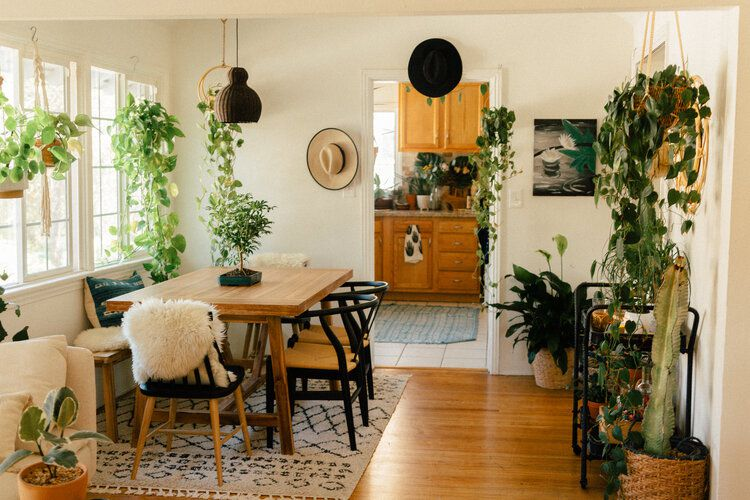
Mastering Your Microclimate: Identifying Ideal Small Garden Locations
The success of any garden, especially in a confined space, hinges on understanding and leveraging its specific microclimate. This involves assessing sunlight, temperature, wind exposure, and humidity. Different small spaces present unique opportunities and challenges, requiring tailored approaches to plant selection and setup. Identifying the ideal location is the first critical step in building your thriving small garden from scratch.
Apartment Gardening: Harnessing Indoor Potential
Indoor gardening in apartments focuses on utilizing windowsills, shelves, and available floor space. Light is often the primary limiting factor, making south-facing windows highly coveted.
- Sunlight Assessment: Track the amount of direct sunlight your desired spot receives throughout the day. Most edibles require at least 6 hours of direct sun. Low-light plants like ferns or peace lilies can thrive with less. Consider a light meter for precise measurements.
- Temperature and Humidity: Indoor environments are generally stable, but proximity to heating/cooling vents can cause fluctuations. Many plants prefer consistent temperatures between 65-75°F (18-24°C). Humidity can be a concern, especially in dry climates; humidifiers or pebble trays can help.
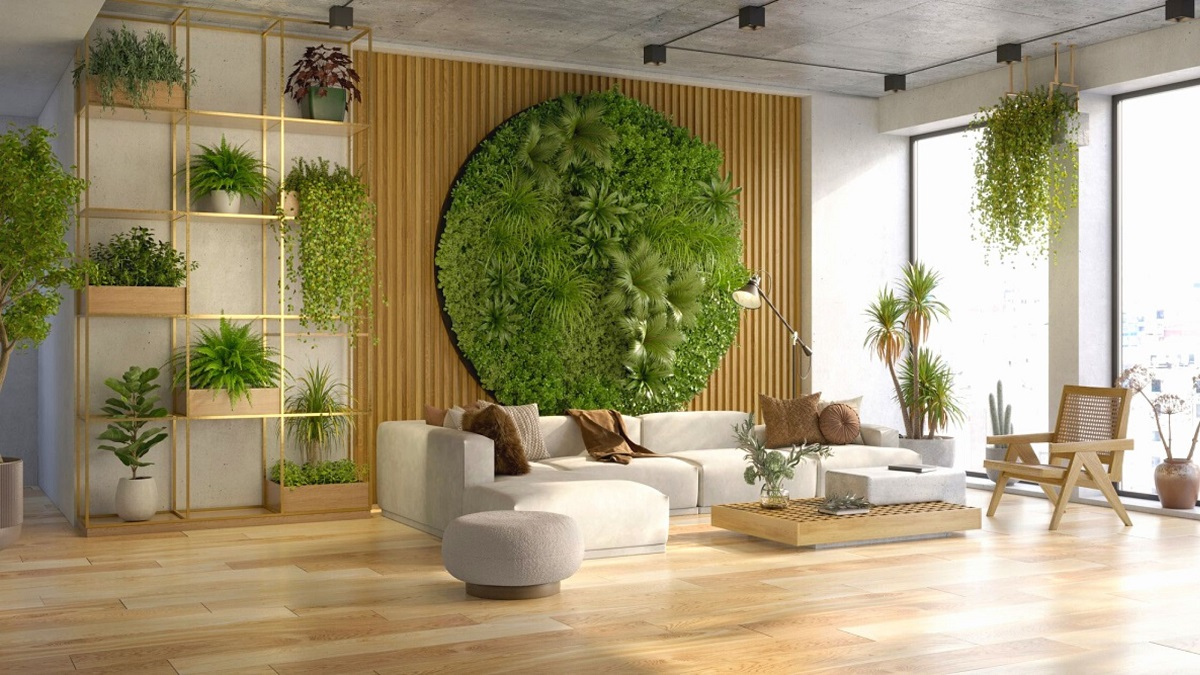
- Space Utilization: Think vertically with shelving units or hanging planters. Utilize corners and even the tops of cabinets for plants that don’t need intense light.
Balcony Garden Creation: Maximizing Outdoor Exposure
Balconies offer outdoor exposure but come with their own set of environmental variables, including wind, direct sun, and temperature extremes. Transforming a little space into a green oasis on a balcony requires careful planning.
- Sun Orientation and Intensity: A south-facing balcony will receive the most sun, ideal for sun-loving vegetables and flowers. North-facing balconies are better for shade-tolerant plants. East-facing gets morning sun, west-facing gets intense afternoon sun.
- Wind Protection: Balconies can be very windy, which desiccates plants and can cause physical damage. Consider installing windbreaks like trellises with climbing plants, bamboo screens, or strategically placed taller, sturdy plants.
- Weight Load: Always be mindful of your balcony’s weight capacity. Use lightweight potting mix and plastic or fabric pots instead of heavy ceramic ones, especially for larger setups.
- Drainage: Ensure all pots have drainage holes and use saucers to prevent water runoff, which can be an issue for downstairs neighbors.
Rooftop and Patio Gardens: Expanding Horizons
Larger than typical balconies, rooftops and patios offer more scope but often share similar challenges with wind exposure and direct sun.
- Structural Integrity: For rooftops, consulting with a structural engineer is paramount to ensure the roof can support the added weight of soil, containers, water, and plants.
- Accessibility: Plan how you will get soil, plants, and water to the area. Consider hose access or a watering can strategy.
- Shelter and Shade: With more open exposure, consider pergolas, shade sails, or larger trees in containers to provide necessary shade and wind protection.
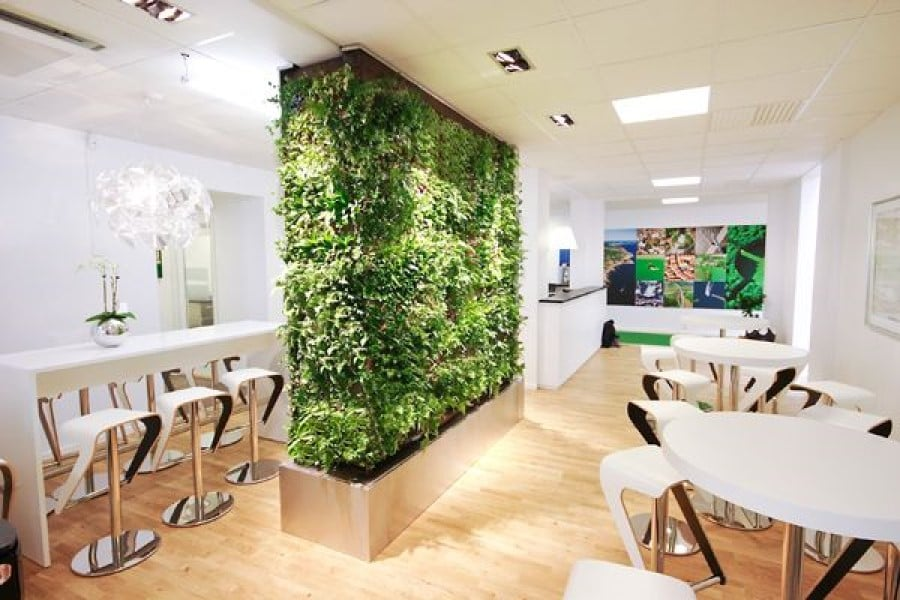
Innovative Techniques for Maximizing Space: Verticality and Beyond
The core principle of small space gardening is to think beyond the horizontal plane. Utilizing vertical space, smart container choices, and innovative layouts can dramatically increase your planting capacity and create a lush, abundant garden without requiring extensive ground area. These land-saving indoor garden strategies are crucial for urban dwellers.
Vertical Gardening: The Ultimate Space Saver
Vertical gardening involves growing plants upwards, utilizing walls, fences, and specialized structures. It’s an incredibly efficient way to maximize yield in minimal square footage, making it perfect for small apartment gardening.
- Wall-Mounted Planters: Systems like pocket planters (felt or fabric), modular panels, or tiered shelves can transform a blank wall into a living tapestry. These are excellent for herbs, leafy greens, and shallow-rooted flowers. Ensure proper drainage and structural support for the weight.
- Pallet Gardens: Repurposed wooden pallets can be stood upright and used as multi-tiered planters. Fill the gaps between slats with soil and plant directly. These are cost-effective and add a rustic charm.
- Trellises and Arbors: For climbing plants like cucumbers, beans, peas, or small gourds, trellises provide essential support and guide vertical growth. Arbors can create beautiful, productive tunnels over walkways.
- Stackable Planters: These multi-level systems allow you to grow several plants in a small footprint, often with a central watering system. They are ideal for strawberries, herbs, or flowers.
Smart Container Choices and Arrangements
The type and arrangement of containers play a significant role in space efficiency and plant health.
- Container Gardening Essentials:
- Self-Watering Pots: These reduce the frequency of watering and ensure consistent moisture, ideal for busy gardeners.
- Fabric Grow Bags: Lightweight, breathable, and promote air pruning of roots, leading to healthier plants. They are also easy to move and store.
- Recycled Materials: Get creative with old tires, buckets, or even large tins (with drainage holes added) for cost-effective planting solutions.
- Raised Garden Beds: While seemingly counterintuitive for “small” spaces, compact raised beds (e.g., 2×4 ft) can be highly efficient on patios or large balconies. They offer better drainage, control over soil quality, and reduce bending, making gardening more accessible.
- Hanging Planters: Free up floor space by hanging baskets from ceilings, pergolas, or sturdy wall brackets. These are perfect for cascading plants like petunias, nasturtiums, or even small tomato varieties.
- Window Boxes: Attach window boxes to sills or railings to utilize otherwise unused exterior space. Ensure they are securely fastened and have proper drainage.

Choosing the Right Green Companions: Plants for Compact Spaces
Selecting appropriate plants is paramount for a successful small garden. Not all plants are suited for confined environments; some simply grow too large, while others have specific light or root requirements that are hard to meet. Focus on varieties known for their compact growth habits, productivity in containers, and suitability to your specific microclimate. This section guides you through making informed choices for your urban garden.
Edibles for a Bountiful Small Garden
Growing your own food is one of the most rewarding aspects of small space gardening. Prioritize “dwarf,” “bush,” or “compact” varieties.
- Herbs: Most herbs thrive in pots and don’t require much space. Consider basil, mint, rosemary, thyme, chives, oregano, and parsley. Mint, in particular, should be grown in its own container as it can be invasive.
- Leafy Greens: Lettuce, spinach, arugula, and Swiss chard are excellent choices. They have shallow roots and can be harvested “cut-and-come-again” style, providing multiple yields.
- Fruiting Vegetables:
- Tomatoes: Look for “patio,” “bush,” or “dwarf” varieties like ‘Tiny Tim’, ‘Micro Tom’, or ‘Celebrity’. Cherry tomatoes are particularly well-suited for containers.
- Peppers: Bell peppers and chili peppers do well in pots, preferring warm, sunny spots.
- Strawberries: Ideal for hanging baskets or stackable planters, providing both beauty and delicious fruit.
- Radishes & Carrots: Opt for shorter, rounder carrot varieties (e.g., ‘Paris Market’) and fast-growing radishes in deeper containers.
- Bush Beans: Unlike pole beans, bush varieties don’t need extensive trellising and are very productive in containers.
Ornamentals and Low-Maintenance Options
Beyond edibles, flowers and decorative plants add beauty, attract pollinators, and can be remarkably low-maintenance.
- Flowering Plants:
- Petunias: Trailing varieties are perfect for hanging baskets, offering continuous blooms.
- Marigolds: Easy to grow, pest-repelling, and add vibrant color.
- Nasturtiums: Edible flowers and leaves, excellent for hanging or trailing.
- Pansies/Violas: Cold-tolerant and add cheerful color to spring and fall gardens.
- Succulents and Cacti: Extremely low-maintenance, requiring minimal water and thriving in sunny, dry conditions. They come in a vast array of shapes and sizes, perfect for small, decorative arrangements.
- Air Plants (Tillandsia): Require no soil, only occasional misting, making them ideal for truly tiny spaces or creative displays.
- Small Shrubs and Dwarf Trees: For larger balconies or patios, consider dwarf citrus trees (lemons, limes), olive trees, or miniature roses in large containers.
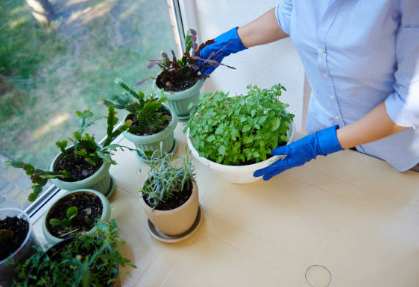
Setting Up Your Small Garden: Essential Tools and Step-by-Step Guide
Building your small garden from scratch is an exciting endeavor that requires a systematic approach. From gathering the right equipment to understanding soil composition and irrigation, each step plays a crucial role in laying a strong foundation for your urban oasis. This detailed guide will walk you through the practical aspects of setting up your compact garden.
Essential Tools and Supplies for the Urban Gardener
You don’t need a vast arsenal of tools for a small garden, but a few key items will make the process much smoother and more enjoyable.
- Hand Trowel and Cultivator: For digging, planting, and loosening soil in containers.
- Pruning Shears/Snips: Essential for harvesting herbs, deadheading flowers, and light pruning.
- Watering Can with a Fine Rose: Allows for gentle and precise watering, preventing soil erosion in small pots. A small hose with a spray nozzle might be useful for larger balconies.
- Gardening Gloves: Protect your hands from dirt, thorns, and potential irritants.
- Potting Mix: Not garden soil! A high-quality, lightweight potting mix designed for containers provides excellent drainage and aeration. Look for mixes with perlite or vermiculite.
- Containers: As discussed, choose based on plant needs and space (fabric pots, self-watering, terracotta, plastic).
- Fertilizer: A balanced slow-release granular fertilizer or a liquid feed for regular application.
- Seeds or Seedlings: Decide whether to start from scratch or use young plants.
Step-by-Step Guide to Building Your Small Garden
Follow these steps to ensure a robust and healthy start for your plants, transforming your little space into a green haven.
- Plan Your Layout and Plant Choices: Based on your microclimate assessment, sketch out where each plant will go. Consider mature size, light requirements, and aesthetic appeal. Group plants with similar watering needs together.
- Prepare Your Containers: Ensure all pots have adequate drainage holes. If using saucers, make sure they can hold excess water without overflowing. For vertical systems, assemble according to manufacturer instructions.
- Fill with Quality Potting Mix: Fill containers with potting mix, leaving about an inch of space from the rim. This prevents soil from washing out during watering. Avoid compressing the soil too much, as roots need aeration.
- Planting Seeds or Seedlings:
- Seeds: Follow package instructions for depth and spacing. Gently water after planting.
- Seedlings: Carefully remove plants from their nursery pots. Loosen any circling roots. Dig a hole large enough for the root ball, place the plant, and backfill with potting mix, gently firming around the base. Water thoroughly immediately after planting to settle the soil.
- Initial Watering and Fertilization: Water deeply until water drains from the bottom. If your potting mix doesn’t include slow-release fertilizer, apply a diluted liquid fertilizer as per product instructions, especially for hungry plants.
- Install Supports (if needed): For climbing plants, install trellises, stakes, or cages at the time of planting to avoid disturbing roots later.
- Mulch (Optional but Recommended): A thin layer of mulch (e.g., straw, wood chips, or even small pebbles) on top of the soil can help retain moisture, suppress weeds, and regulate soil temperature.
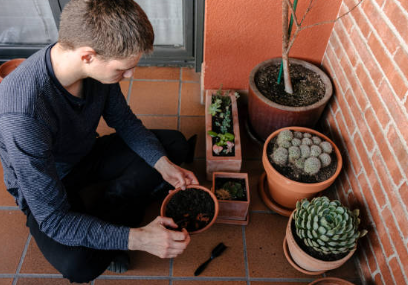
Nurturing Your Urban Oasis: Care, Maintenance, and Troubleshooting
Once your small garden is established, ongoing care is crucial for its long-term health and productivity. Consistent watering, appropriate feeding, and vigilant pest management are key to a thriving urban oasis. Even with the best planning, challenges can arise, so knowing how to troubleshoot common issues will save your plants and your peace of mind.
Essential Maintenance Practices for Container Gardens
Regular attention to these aspects will ensure your plants remain vigorous and productive throughout their growing season.
- Watering: This is arguably the most critical aspect of container gardening. Small pots dry out much faster than garden beds.
- Frequency: Check the soil moisture daily by sticking your finger an inch or two into the soil. Water when the top inch feels dry.
- Technique: Water slowly and deeply until water drains from the bottom of the pot. Avoid overhead watering on leaves to prevent fungal diseases.
- Seasonal Adjustments: Plants need more water in hot, sunny weather and less in cooler, cloudy conditions.
- Fertilization: Container plants quickly deplete nutrients from their limited soil volume.
- Schedule: Most plants benefit from regular feeding every 2-4 weeks with a balanced liquid fertilizer, or a slow-release granular fertilizer applied at the beginning of the season.
- Specific Needs: Fruiting plants (tomatoes, peppers) often require more phosphorus and potassium during flowering and fruiting stages.
- Pruning and Deadheading:
- Pruning: Remove dead, diseased, or damaged foliage. For bushy plants, pinch back growing tips to encourage branching and a fuller shape.
- Deadheading: Remove spent flowers to encourage the plant to produce more blooms instead of setting seeds. This extends the flowering period.
- Repotting: Some plants may become root-bound over time. When roots start growing out of drainage holes or growth slows, it’s time to repot into a slightly larger container or refresh the soil.
Common Challenges and Troubleshooting Tips
Every gardener faces issues. Recognizing the signs and knowing how to respond can prevent minor problems from becoming catastrophic.
| Symptom | Possible Cause | Solution |
|---|---|---|
| Yellowing Leaves | Overwatering, underwatering, nutrient deficiency (e.g., nitrogen), insufficient light. | Check soil moisture; adjust watering. Apply balanced fertilizer. Move to a brighter location. |
| Wilting Plants | Underwatering, extreme heat, root rot. | Water thoroughly if soil is dry. Move to shade during peak heat. Check for drainage issues if soil is constantly wet. |
| Stunted Growth | Lack of nutrients, insufficient light, root-bound. | Fertilize regularly. Ensure adequate light. Consider repotting. |
| Holes in Leaves | Pest infestation (caterpillars, slugs, snails). | Inspect plants daily. Hand-pick pests. Use organic pest control (neem oil, insecticidal soap) if infestation is severe. |
| White Fuzzy Spots | Powdery mildew, mealybugs. | Improve air circulation. Treat with fungicide for mildew. For mealybugs, wipe with alcohol-soaked cotton swab or use insecticidal soap. |
Regular observation is your best tool. The earlier you spot a problem, the easier it is to remedy.
Conclusion: Cultivating Joy in Every Square Inch
Small space gardening is a testament to human ingenuity and our innate desire to connect with nature. By embracing verticality, choosing suitable plants, and committing to diligent care, anyone can transform a modest area into a thriving garden. From the invigorating scent of fresh herbs on an apartment windowsill to the vibrant colors of flowers cascading from a balcony, these small sanctuaries offer immense joy, fresh produce, and a vital connection to the green world. Start small, learn as you grow, and relish the profound satisfaction of cultivating your very own urban oasis.
Frequently Asked Questions (FAQ)
- Q1: What are the best plants for a beginner small space gardener?
- For beginners, herbs like basil, mint, and chives are excellent due to their relatively easy care and high yield in small pots. Leafy greens such as lettuce and spinach, along with small fruiting plants like cherry tomatoes (dwarf varieties) and strawberries, are also highly recommended for their productivity and rewarding growth cycle. Succulents are a great choice for extremely low-maintenance options.
- Q2: How often should I water my container plants in a small garden?
- Watering frequency for container plants varies greatly depending on the plant type, pot size, soil mix, and environmental conditions (temperature, humidity, wind). A general rule is to check the soil daily by sticking your finger an inch or two into the soil. If it feels dry, it’s time to water thoroughly until water drains from the bottom of the pot. During hot summer days, some plants may need watering twice a day, while in cooler weather, every few days might suffice.
- Q3: Can I grow vegetables in a small apartment without a balcony?
- Absolutely! Many vegetables can thrive indoors. The key is adequate light. South-facing windows provide the most direct sunlight, ideal for fruiting vegetables like dwarf tomatoes, peppers, and even small citrus trees. For less light, leafy greens (lettuce, spinach), herbs, and root vegetables like radishes can do well. Consider grow lights to supplement natural light, especially during shorter winter days, to ensure your plants receive the 6+ hours of light most edibles require.
- Q4: What are some effective ways to deal with pests in a small urban garden?Ecology guide note: This article is general plant, bird, gardening, and ecology commentary. It is not veterinary advice, medical advice, environmental compliance advice, professional land-management guidance, product testing, or a guarantee of animal welfare, plant growth, ecological impact, or health outcomes.