Selecting the Right Gardening Gloves
Your hands are your most important gardening tools. Selecting the appropriate glove material is a balance between protection, dexterity, and breathability. Different materials cater to specific gardening tasks, ranging from heavy-duty landscaping to delicate pruning.
Common Glove Materials
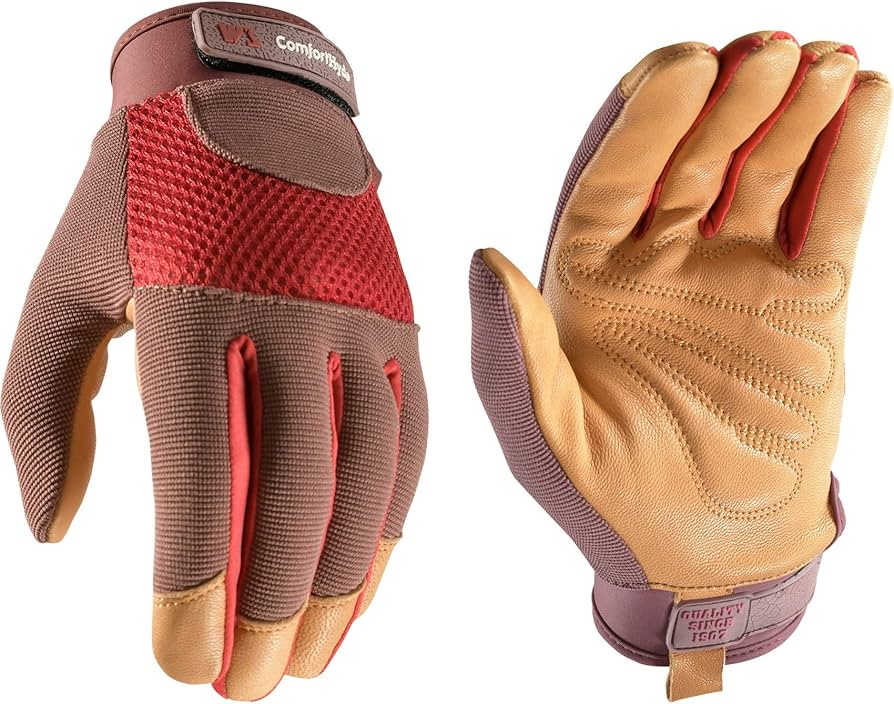
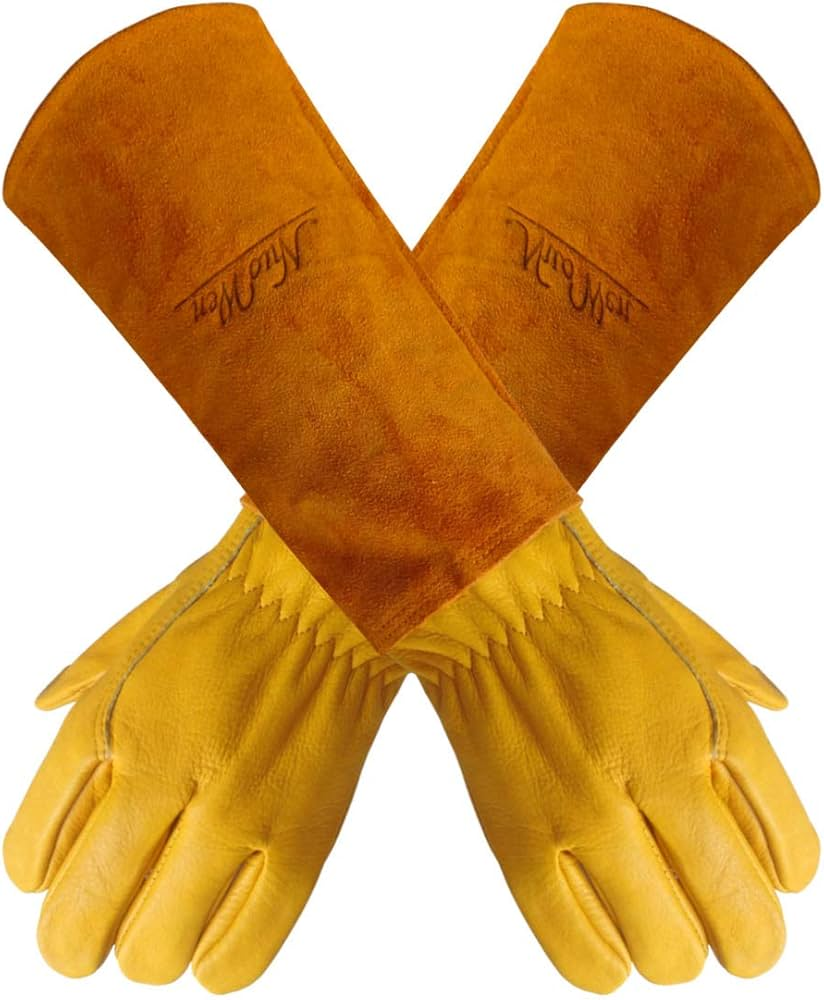
- Leather: Excellent for heavy-duty work involving thorns, rocks, and rough wood. Goatskin provides high dexterity, while cowhide offers superior puncture resistance.
- Synthetic/Nitrile: Ideal for precision tasks. Nitrile coatings provide an excellent grip in wet conditions and protect against chemicals and fertilizers.
- Cotton/Canvas: Best for light-duty tasks, weeding, and general plant handling in dry conditions. They are highly breathable but offer minimal puncture protection.
Essential Tools for Novice Gardeners
Starting a garden requires a foundational set of tools that can handle 90% of routine maintenance. Investing in quality over quantity prevents frustration and ensures your tools remain functional for years.
The Top 10 Must-Haves
- Hand Trowel: The workhorse for digging small holes and transplanting seedlings.
- Pruning Shears: Essential for deadheading flowers and trimming small branches.
- Garden Rake: Necessary for clearing debris and leveling soil beds.
- Spade/Shovel: The primary tool for digging larger holes and moving soil or compost.
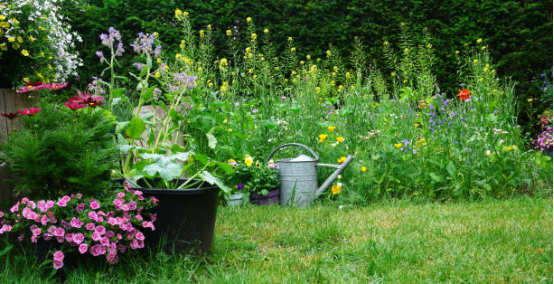
- Watering Can: Vital for precise irrigation of container plants and delicate beds.
Choosing Suitable Garden Scissors
Garden scissors, or pruners, are not one-size-fits-all. When selecting the right pair, consider the cutting mechanism, handle ergonomics, and the maintenance requirements of the blade steel.
Types of Pruning Mechanisms
- Bypass Pruners: Work like scissors with two blades passing each other; ideal for clean cuts on live green wood.
- Anvil Pruners: Feature a sharp blade that closes against a flat plate; best for cutting dead, dry wood.

Gardening Tool Cleaning and Care
Regular maintenance is the secret to longevity. Dirt and sap can cause rust and degrade mechanical joints, turning a high-quality tool into a useless piece of scrap. Implement a seasonal cleaning routine to protect your investment.
The Multi-Step Cleaning Protocol
- Remove Debris: After every use, wipe off soil and sap using a stiff brush or a damp cloth.
- Disinfect: Use a diluted bleach solution or rubbing alcohol to wipe down blades, preventing the spread of plant diseases.
- Oil the Joints: Apply a light machine oil to pivot points to ensure smooth operation.
- Sharpening: Keep blades sharp using a whetstone or sharpening file to ensure clean cuts that promote plant health.
Frequently Asked Questions (FAQ)
- Q1: How often should I clean my gardening tools?
- You should perform a quick wipe-down after every use. A deep cleaning, including sharpening and oiling, should be performed at the end of every season or before storing tools for winter.
- Q2: Can I use the same gloves for all gardening tasks?
- It is highly recommended to have at least two pairs: one heavy-duty leather pair for thorny work and one lightweight nitrile-coated pair for precision planting and weeding.
- Q3: What is the difference between bypass and anvil pruners?
- Bypass pruners are for living plant tissue, providing a clean, healing cut. Anvil pruners are for dead, hard wood, as they crush the stem against the anvil plate.
- Q4: Why do my garden tools rust so quickly?
- Rust is caused by moisture and sap residue. Storing tools in a damp environment or failing to dry them after use accelerates oxidation. Always store tools in a dry, covered area.

Related Posts