Identifying and Managing Common Plant Pests
Maintaining a healthy garden requires a proactive approach to identifying the most frequent visitors that threaten your greenery. Understanding the specific habits and damage patterns of these pests is the first step in effective garden management.
Aphids: The Sap-Sucking Threat
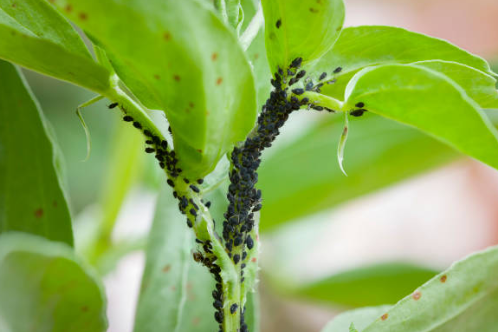
Aphids are small, soft-bodied insects that cluster on new growth. They extract sap, causing leaves to curl, yellow, and eventually drop. Their presence often leads to the growth of sooty mold due to the honeydew they excrete.
- Manual Removal: A strong blast of water from a garden hose is often sufficient to dislodge aphids from stems.
- Biological Control: Introducing natural predators like ladybugs or lacewings provides a sustainable, chemical-free solution.
Spider Mites: The Hidden Micro-Pest
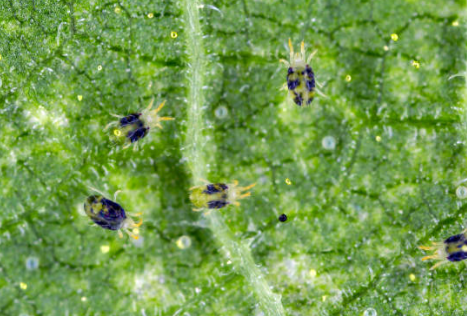
Spider mites are nearly invisible to the naked eye. They thrive in hot, dry conditions and create fine webbing between leaves. If left untreated, they can cause rapid defoliation.
Slugs and Snails
These mollusks are most active at night or during damp weather. They leave behind telltale slimy trails and irregular holes in foliage, particularly on young seedlings and hostas.
Strategic Selection and Physical Protection
Beyond active pest management, the foundation of a pest-resistant garden lies in careful plant selection and the implementation of physical barriers that deny access to both insects and larger wildlife.
Selecting Resistant Plant Varieties
Many plant species have been bred specifically for natural resistance to common diseases and pests. By choosing native plants or cultivars labeled as “pest-resistant,” you significantly reduce the need for intervention.
Physical Barriers for Wildlife Defense
Wildlife such as rabbits, deer, and groundhogs require robust physical deterrents. Utilizing hardware cloth, tall fencing, or raised garden beds can effectively discourage these animals from grazing.
| Barrier Type | Target Pest/Wildlife | Effectiveness |
|---|---|---|
| Hardware Cloth | Rodents/Burrowers | High |
| Deer Fencing | Large Mammals | High |
| Floating Row Covers | Insects/Moths | Very High |
Integrated Pest Management (IPM) Techniques
Integrated Pest Management is an ecosystem-based strategy that focuses on long-term prevention through a combination of techniques such as biological control, habitat manipulation, and modification of cultural practices.
Cultural Practices for Prevention
Proper garden maintenance is the most effective deterrent. Healthy, well-fed plants are naturally more resilient to pest attacks than stressed ones.
- Crop Rotation: Prevents the buildup of soil-borne pests and diseases by changing the plant family in a specific area each season.
- Sanitation: Removing dead plant debris eliminates overwintering sites for many common garden pests.
Advanced Environmental Controls
Environmental management involves altering the garden’s immediate surroundings to make it less hospitable to pests while creating a thriving environment for desired plants.
Companion Planting
By interplanting aromatic herbs or flowers with vegetables, you can mask the scent of crops or attract beneficial insects that prey on harmful pests. For instance, planting marigolds near tomatoes is a classic method to deter nematodes and other soil-dwelling threats.
Frequently Asked Questions (FAQ)
- Q1: What is the most effective way to stop aphids without chemicals?
- The most effective non-chemical methods include the use of high-pressure water sprays to physically dislodge them and the introduction of beneficial insects like ladybugs, which are natural predators of aphids.
- Q2: How do I know if I have spider mites?
- Look for fine, silk-like webbing on the undersides of leaves and tiny yellow or white spots on the foliage. Since they are microscopic, holding a white piece of paper under a leaf and tapping it can reveal if the small specks fall off and move.
- Q3: Are physical barriers effective against all wildlife?
- Barriers are highly effective but must be installed correctly. For burrowing animals, ensure fences are buried at least 6-12 inches deep. For deer, fences must be sufficiently tall to prevent jumping.
- Q4: Why is crop rotation important for pest control?
- Many pests and soil-borne pathogens are specific to certain plant families. By rotating crops, you starve the pests that rely on a specific host plant, effectively breaking their life cycle.

Related Posts