The foundation of every successful garden lies beneath the surface. Soil is not merely “dirt”; it is a complex, living biological system that dictates the health, growth rate, and vibrance of your plants. To achieve professional-grade results, gardeners must move beyond basic maintenance and embrace a holistic approach that integrates soil science, advanced composting, and sustainable waste management. This guide explores the multi-dimensional aspects of creating the perfect growing environment, ensuring your garden remains a valuable asset for years to come.
Defining the Fundamentals of High-Quality Garden Soil
High-quality soil is characterized by its ability to provide a balanced environment for root systems. This balance involves three primary pillars: physical structure, chemical composition, and biological activity. Without these elements working in harmony, even the most expensive fertilizers will fail to produce desired results.
Optimal Soil Texture and Drainage
Texture refers to the proportion of sand, silt, and clay particles. Loam soil is widely considered the gold standard for most flowers and vegetables because it combines the drainage capabilities of sand with the nutrient-holding capacity of clay. Proper drainage is critical; waterlogged soil deprives roots of oxygen, leading to anaerobic conditions and root rot. Conversely, soil that drains too quickly can lead to chronic dehydration and nutrient leaching.
The Role of Soil Aeration
Aeration is the process of maintaining pore spaces within the soil to allow for gas exchange. Roots require oxygen to perform cellular respiration, and they must expel carbon dioxide. Compacted soils lack these vital air pockets, which stunts growth and prevents beneficial soil organisms from thriving. Techniques such as double-digging or the addition of coarse organic matter can significantly improve long-term aeration.
The Transformative Power of Composting on Soil Health
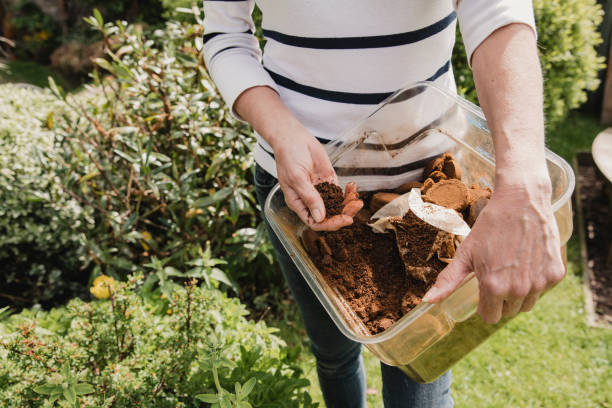
Composting is the controlled aerobic decomposition of organic materials. It is the most effective way to improve soil quality because it addresses physical, chemical, and biological deficiencies simultaneously. By returning organic matter to the earth, you complete the natural nutrient cycle.
Enhancing Soil Structure with Humus
The end product of composting, known as humus, acts as a biological glue. In sandy soils, humus helps bind particles together to retain moisture. In heavy clay soils, it creates “peds” or aggregates that break up the dense structure, allowing for better water infiltration. This structural improvement is permanent as long as organic matter is regularly replenished.
Biological Stimulation and Nutrient Bioavailability
Compost is a powerhouse of microbial life, including beneficial bacteria, fungi, and actinomycetes. These organisms break down complex organic compounds into mineral forms that plants can easily absorb. Furthermore, compost introduces mycorrhizal fungi, which form symbiotic relationships with plant roots, effectively extending the root system’s reach to find water and phosphorus in deep soil layers.
Innovative Strategies for Repurposing Garden Waste
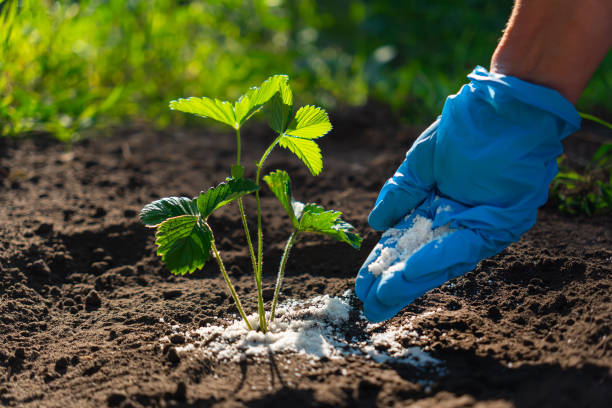
Sustainability in gardening involves viewing “waste” as a raw material. Traditional disposal methods, such as sending clippings to a landfill, result in a loss of valuable biomass. By implementing advanced recycling techniques, you can reduce costs and improve your garden’s ecological footprint.
The Science of Mulching
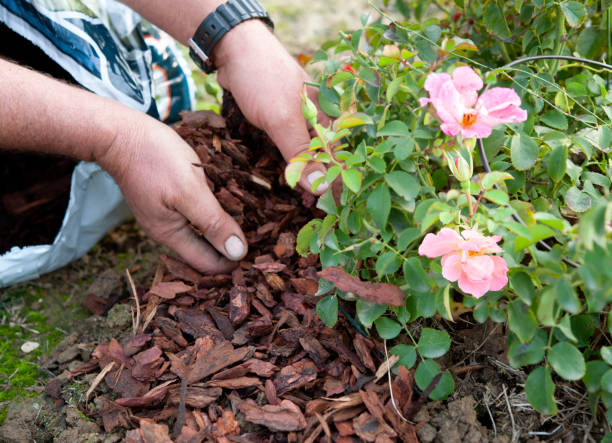
Mulching is the practice of applying a layer of organic material—such as shredded leaves, grass clippings, or wood chips—directly onto the soil surface. This technique provides several critical benefits:
- Moisture Retention: Reduces evaporation by up to 70%, maintaining consistent hydration for plants.
- Temperature Regulation: Insulates the soil against extreme heat in summer and freezing temperatures in winter.
- Weed Suppression: Blocks sunlight from reaching weed seeds, preventing germination without the use of herbicides.
Hugelkultur and Deep Biomass Utilization
For large quantities of woody waste like branches and logs, Hugelkultur (hill culture) is an exceptional strategy. This involves burying wood under mounds of soil and compost. As the wood slowly decays over years, it creates a sponge-like reservoir that holds moisture and releases nutrients gradually. This method is particularly effective for creating self-watering raised beds in arid climates.

A Comparative Analysis of Common Flower Growing Substrates
Different flowers have unique requirements regarding pH, moisture, and nutrient levels. Understanding the specific properties of various soil components allows gardeners to create custom mixes tailored to specific species.
| Substrate Type | Primary Advantages | Best Use Case |
|---|---|---|
| Peat Moss | High moisture retention, acidic pH. | Acid-loving plants like Azaleas. |
| Perlite | Excellent aeration, lightweight, sterile. | Seed starting and succulents. |
| Vermiculite | High cation exchange, retains water. | Rooting cuttings and moisture-loving plants. |
| Leaf Mold | Rich in beneficial fungi, improves texture. | Woodland flowers and soil conditioning. |
| Pine Bark | Increases acidity, long-lasting structure. | Orchids and perennial beds. |
Mineral vs. Organic Components
A balanced potting mix often combines mineral components like perlite (for drainage) with organic components like compost or coir (for nutrients and moisture). Mineral components are stable and do not decompose, ensuring that the soil does not compact over time in containers. Organic components, however, must be monitored as they break down and may require periodic “top-dressing” to maintain nutrient levels.
Technical Steps for Soil Remediation and Improvement
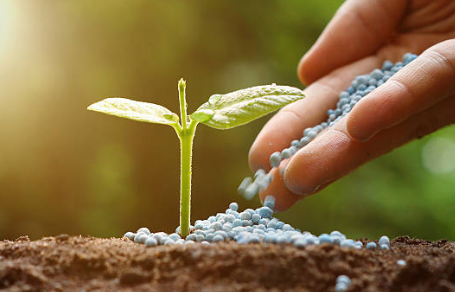
If your garden soil is currently poor, a systematic remediation process is required. This is not a one-time fix but a seasonal commitment to soil health management.
Soil Testing and pH Adjustment
Before adding amendments, perform a professional soil test to determine the current pH and nutrient profile. Most flowers thrive in a slightly acidic to neutral range (pH 6.0 to 7.0). If soil is too alkaline, sulfur can be added; if too acidic, lime is the standard amendment. Precise adjustments prevent nutrient lockout, where minerals are present in the soil but chemically unavailable to the plant.
Strategic Incorporation of Organic Matter
The “No-Dig” method is increasingly popular among soil scientists. Instead of tilling, which can disrupt the delicate soil food web and bring weed seeds to the surface, simply apply 2-4 inches of high-quality compost to the surface annually. Earthworms and microorganisms will naturally incorporate this material into the lower profiles, improving the soil without damaging its internal structure.
Advanced Nutrient Management and Fertilization Logic
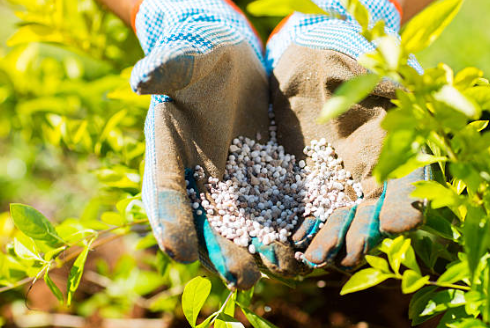
While compost provides a broad spectrum of nutrients, specific growth stages may require targeted fertilization. Understanding the N-P-K (Nitrogen, Phosphorus, Potassium) ratio is essential for fine-tuning plant performance.
Macro and Micronutrient Balance
Nitrogen is essential for vegetative leaf growth, Phosphorus supports root development and flower production, and Potassium regulates systemic health and water movement. Beyond these, plants require micronutrients like magnesium, iron, and calcium. Using organic fertilizers, such as bone meal or kelp extract, provides a slow-release source of these minerals, reducing the risk of chemical burn and environmental runoff.
The Importance of Liquid Amendments
In addition to solid amendments, liquid fertilizers like compost tea or seaweed extract can be used for foliar feeding. This allows plants to absorb nutrients directly through their leaves, providing a rapid boost during critical flowering periods or when recovering from environmental stress.
Frequently Asked Questions (FAQ)
- Q1: What is the difference between compost and mulch?
- Compost is organic matter that has been fully decomposed and is intended to be mixed into the soil or used as a nutrient-rich top dressing. Mulch is a protective layer of organic or inorganic material placed on top of the soil to conserve moisture and suppress weeds. While mulch eventually decomposes into compost, its primary function is surface protection.
- Q2: Can I use fresh grass clippings directly in my flower beds?
- Yes, but with caution. Fresh grass clippings are high in nitrogen and can generate significant heat as they decompose, which might damage tender plant stems. It is best to apply them in thin layers or mix them with “brown” materials like dried leaves to balance the carbon-to-nitrogen ratio.
- Q3: Why does my soil feel hard and crusty on top?
- This is often a sign of low organic matter and high clay content. When heavy rain or irrigation hits bare soil, the fine particles settle into a dense layer. To fix this, incorporate compost to improve structure and always keep the soil covered with mulch to prevent the surface from baking in the sun.
- Q4: How often should I test my garden soil?
- For an established garden, testing every 2-3 years is sufficient. However, if you are starting a new garden or experiencing significant plant health issues, an immediate test is recommended to identify potential toxicities or severe nutrient deficiencies.
- Q5: Is peat moss environmentally friendly for gardening?
- Peat moss is a highly effective substrate, but its extraction from peat bogs is a slow process that impacts carbon-sequestering ecosystems. Many modern gardeners are switching to coconut coir as a renewable alternative, as it offers similar moisture retention properties with a more sustainable footprint.

Related Posts