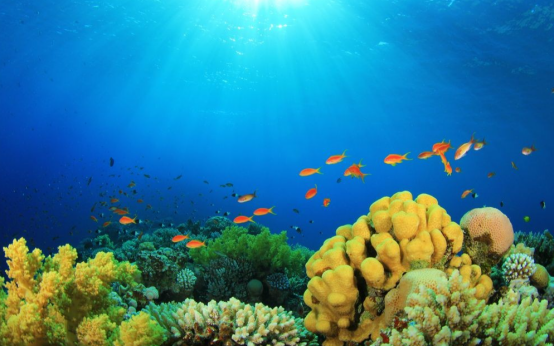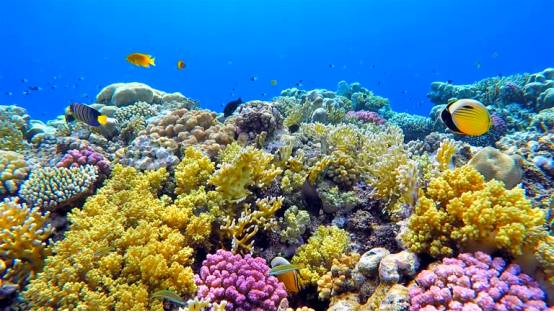
The vast, mysterious oceans cover over 70% of our planet, acting as its lifeblood. They regulate climate, produce the air we breathe, and support an incredible diversity of life. However, these critical ecosystems are under immense pressure from human activities, including pollution, overfishing, habitat destruction, and climate change. The scale of these challenges often feels overwhelming, leading many to believe that only large organizations or governments can make a difference. This perception, while understandable, overlooks the immense power of collective action, particularly through the growing movement of citizen science and grassroots advocacy. This guide delves into how ordinary individuals, armed with curiosity and a desire to help, can become active participants in safeguarding our oceans, from monitoring delicate coral reefs to celebrating global awareness initiatives like World Oceans Day. It’s a call to action, demonstrating that every person has a role to play in fostering a healthier marine environment.
The Power of Citizen Science in Ocean Monitoring
Citizen science represents a monumental shift in how scientific research and environmental monitoring are conducted. It involves public participation in scientific research, often collaborating with professional scientists and institutions. In the context of ocean health, citizen science empowers individuals to collect and analyze data, contributing directly to a broader understanding of marine ecosystems. This collaborative approach not only expands the reach of scientific inquiry but also fosters a deeper connection between communities and the natural world they inhabit. The data gathered by citizen scientists can be invaluable, providing critical insights into long-term environmental trends, species distribution, and the immediate impacts of environmental changes that might otherwise go unnoticed by limited professional research teams.
What is Citizen Science?
At its core, citizen science is about democratizing data collection and scientific observation. It leverages the collective power of many individuals to gather information across vast geographical areas and extended periods. This method is particularly effective for monitoring dynamic and widespread phenomena like ocean health, where continuous observation is crucial. Participants, regardless of their formal scientific background, are trained to follow specific protocols for data collection, ensuring consistency and reliability. This can range from simple observations of marine debris on beaches to complex underwater surveys of coral reefs.
- Data Collection: Volunteers gather information on various environmental parameters, such as water quality, species sightings, or pollution levels.
- Observation & Reporting: Participants report their findings through dedicated apps, websites, or direct communication with project coordinators.
- Community Engagement: Citizen science projects often build strong communities of like-minded individuals passionate about conservation.
- Educational Outreach: These initiatives serve as powerful educational tools, teaching participants about scientific methods and environmental issues.
How Citizen Science Benefits Ocean Health
The contributions of citizen scientists to ocean health are multifaceted and profound. By providing a constant stream of data from diverse locations, they help fill critical knowledge gaps that professional scientists alone cannot cover. This extensive dataset is instrumental in identifying emerging threats, tracking the effectiveness of conservation efforts, and informing policy decisions. For instance, consistent monitoring of coral reefs by trained volunteers can detect subtle changes in reef health, such as bleaching events or disease outbreaks, much earlier than traditional methods, allowing for more timely interventions.
- Expanded Monitoring Reach: Citizen scientists can monitor areas that are inaccessible or too numerous for professional researchers.
- Long-Term Data Series: Consistent participation creates invaluable long-term datasets, essential for understanding climate change impacts and ecological shifts.
- Early Warning Systems: Volunteers can spot anomalies or environmental stressors, acting as an early detection network for marine issues.
- Cost-Effectiveness: Citizen science significantly reduces the operational costs of large-scale monitoring programs.
- Increased Public Awareness: Direct involvement fosters a sense of ownership and responsibility for marine environments among participants.
Key Initiatives for Coral Reef Health Assessment
Coral reefs, often called the “rainforests of the sea,” are biodiversity hotspots facing severe decline. Citizen science plays a particularly critical role in monitoring their health due to their widespread distribution and the need for regular, on-site observations. Several global and local initiatives empower divers, snorkelers, and coastal residents to contribute vital data. These programs often involve specific training on coral identification, disease recognition, and standardized photographic techniques to document changes over time.
- Reef Check: A global program that trains volunteers in standardized methods to assess coral reef health, providing data for conservation and management.
- Coral Watch: An initiative from the University of Queensland that uses a simple color chart to monitor coral bleaching, accessible to anyone with a snorkel.
- Project Baseline: Divers collect long-term data on local conditions, creating baselines against which future changes can be measured.
- Eyes on the Reef (Great Barrier Reef): Empowers visitors and locals to report sightings of marine animals, coral bleaching, and other incidents to management authorities.
- Local Dive Shop Programs: Many local dive centers run their own citizen science initiatives, often focused on specific local reef systems and species.

Practical Ways to Participate in Ocean Conservation
Beyond the structured framework of citizen science, there are numerous practical avenues through which individuals can actively engage in ocean conservation. These actions range from direct involvement in field projects to making conscious choices in daily life that collectively reduce our environmental footprint. Understanding these diverse opportunities is key to finding the most suitable and impactful ways for each person to contribute, transforming passive concern into active stewardship. The cumulative effect of these individual efforts creates a powerful force for positive change, demonstrating that conservation is not solely the domain of experts but a shared responsibility.
Joining Citizen Science Programs
Direct participation in citizen science programs is one of the most impactful ways to contribute. These programs often require a commitment of time and sometimes specific skills (like diving), but they offer unparalleled opportunities to learn, contribute meaningfully, and connect with the marine environment. Many organizations offer tiered training, making it possible for beginners to get involved and progressively take on more complex tasks.
- Find a Program: Search online databases like Zooniverse or SciStarter for ocean-related projects near you or online.
- Attend Training: Most reputable programs offer training sessions to ensure data quality and participant safety.
- Commit Regularly: Regular participation yields the most valuable data for long-term monitoring efforts.
- Report Accurately: Follow all protocols diligently to ensure the integrity of the collected information.
- Share Your Experience: Encourage friends and family to join or learn about the importance of these initiatives.
Everyday Actions for Ocean Health
Even without direct involvement in research, daily choices significantly impact ocean health. These actions, though seemingly small, collectively reduce pollution, conserve resources, and promote sustainable practices. Adopting an ocean-friendly lifestyle is a continuous process of learning and adapting, but it is a fundamental pillar of broader conservation efforts.
- Reduce Plastic Use: Minimize single-use plastics, recycle effectively, and participate in beach cleanups. A staggering amount of plastic ends up in our oceans, harming marine life.
- Make Sustainable Seafood Choices: Use guides like Monterey Bay Aquarium’s Seafood Watch to choose seafood that is fished or farmed in ways that don’t harm the environment.
- Conserve Water: Reduce water consumption at home, as much of the runoff eventually reaches the ocean, carrying pollutants.
- Support Ocean-Friendly Businesses: Patronize companies committed to sustainable practices and ocean conservation.
- Educate Yourself and Others: Stay informed about marine issues and share your knowledge to inspire change in your community.
Supporting Ocean Conservation Organizations
For those unable to commit time to direct participation, financial or advocacy support for established conservation organizations is crucial. These organizations often have the infrastructure, expertise, and legal standing to undertake large-scale projects, influence policy, and conduct vital research. Your support empowers their critical work.
- Donate: Provide financial support to reputable organizations like Oceana, WWF, or local marine conservation groups.
- Volunteer: Offer your skills (e.g., administrative, marketing, event planning) to support their operations.
- Advocate: Sign petitions, contact elected officials, and participate in campaigns that support stronger marine protection policies.
- Spread the Word: Share their campaigns and information on social media to amplify their message.

Celebrating and Raising Awareness: The Role of World Oceans Day
While continuous action is vital, dedicated days for global awareness, such as World Oceans Day, play a pivotal role in galvanizing public attention and fostering a collective sense of responsibility. Established by the United Nations, World Oceans Day, celebrated annually on June 8th, serves as a powerful reminder of the ocean’s importance and the urgent need to protect it. It provides a focal point for organizations, communities, and individuals worldwide to unite in celebration and advocacy, amplifying messages of conservation and inspiring new commitments to marine stewardship. These events are not merely symbolic; they are platforms for education, engagement, and the initiation of tangible conservation projects.
Understanding World Oceans Day’s Significance
World Oceans Day is more than just a calendar date; it’s a global movement. It highlights the critical role the ocean plays in sustaining life on Earth and underscores the myriad threats it faces. Each year, a specific theme is chosen to focus global efforts on a particular challenge or opportunity, ranging from plastic pollution to biodiversity protection. This thematic approach helps streamline advocacy and educational campaigns, ensuring that messages are coherent and impactful across diverse cultures and geographies.
- Global Unity: Brings together people from all continents to acknowledge the ocean’s value.
- Awareness Catalyst: Serves as a powerful tool to educate the public about marine issues.
- Policy Influence: Provides a platform for urging governments and international bodies to adopt stronger ocean protection policies.
- Action Incitement: Inspires individuals and communities to take concrete steps towards conservation.
- Celebration of Marine Life: Acknowledges the beauty and diversity of marine ecosystems.
Creative Ways to Mark the Occasion
Celebrating World Oceans Day can take many forms, from large-scale public events to personal reflections and commitments. The key is to engage in activities that resonate with the day’s spirit of conservation and appreciation for the marine environment. These activities often blend education with enjoyment, making conservation accessible and inspiring for people of all ages.
- Participate in a Beach or River Cleanup: Organize or join local cleanups to remove plastic and debris from coastal areas or waterways that flow into the ocean.
- Attend Educational Events: Visit aquariums, museums, or online webinars focusing on marine life and conservation.
- Host a “Blue” Themed Party: Encourage guests to learn about ocean issues and make pledges for sustainable living.
- Support Sustainable Seafood Restaurants: Choose establishments committed to sourcing environmentally responsible seafood.
- Share Ocean Stories: Use social media to share facts, photos, or personal experiences that highlight the importance of the ocean, using relevant hashtags like #WorldOceansDay.
- Watch Ocean Documentaries: Dedicate time to watch films that raise awareness about marine ecosystems and their threats.
Educational Outreach and Advocacy
World Oceans Day is an unparalleled opportunity for educational outreach and advocacy. Schools, community centers, and environmental groups often host special programs designed to inform and inspire. These initiatives are crucial for building long-term environmental literacy and fostering the next generation of ocean stewards. Advocacy efforts during this period can also put pressure on policymakers to address pressing marine issues.
- School Programs: Implement special lessons or projects focused on ocean literacy and conservation.
- Public Workshops: Host workshops on topics like sustainable living, plastic reduction, or marine biology.
- Art & Photography Contests: Encourage creative expression that highlights the beauty and fragility of marine environments.
- Policy Advocacy: Launch or support campaigns urging governments to protect marine protected areas or ban harmful practices.
- Citizen Science Drives: Organize special citizen science data collection events to mark the day and gather valuable information.

Impact and Future of Community-Driven Ocean Protection
The cumulative impact of citizen science and community-driven initiatives on ocean protection is significant and growing. While the challenges facing our oceans are immense, the collective power of informed and engaged individuals provides a beacon of hope. The future of ocean conservation increasingly relies on scaling up these grassroots efforts, integrating them more deeply with professional science, and ensuring that policy-makers recognize and act upon the invaluable data and advocacy provided by the public. This collaborative model fosters resilience, innovation, and a shared sense of responsibility that is essential for long-term ecological health.
Measuring the Collective Impact
Quantifying the precise impact of community-driven efforts can be challenging, but numerous case studies and scientific analyses demonstrate their profound contributions. From the identification of new species to the tracking of pollution hotspots, citizen science data has directly influenced conservation strategies and policy changes. The very act of participation also creates a more environmentally conscious populace, leading to broader societal shifts towards sustainability.
- Data-Driven Policy: Citizen science data has been used to establish marine protected areas, inform fishing quotas, and guide pollution control measures.
- Enhanced Scientific Understanding: Volunteers contribute to large-scale datasets that reveal long-term trends in marine ecosystems that would otherwise be impossible to track.
- Community Empowerment: Local communities gain knowledge and skills, enabling them to advocate for their local marine environments more effectively.
- Behavioral Change: Direct involvement often leads to participants adopting more sustainable lifestyles and influencing their social networks.
- Increased Funding & Support: Visible community engagement can attract more funding and political will for conservation projects.
Challenges and Opportunities
Despite their successes, community-driven ocean protection initiatives face challenges, including data quality control, funding limitations, and ensuring long-term volunteer retention. However, these challenges also present opportunities for innovation, such as developing more user-friendly data collection tools, leveraging artificial intelligence for data validation, and fostering stronger partnerships between citizen science projects and academic institutions. The digital age provides unprecedented tools for coordination and dissemination, further enhancing the potential of these efforts.
- Data Quality: Ensuring consistency and accuracy of data collected by diverse volunteers remains a key challenge, often addressed through rigorous training and validation protocols.
- Funding & Resources: Sustaining citizen science projects requires ongoing financial support for coordination, equipment, and data management.
- Volunteer Engagement: Maintaining long-term volunteer interest and participation is crucial for consistent data collection.
- Technological Advancements: Opportunities lie in developing mobile apps, AI-powered identification tools, and remote sensing technologies to enhance data collection and analysis.
- Policy Integration: Greater opportunities exist to integrate citizen science data more formally into environmental policy-making processes.
The Future of Ocean Stewardship
The future of ocean stewardship is intrinsically linked to the continued growth and evolution of citizen science and community engagement. As technology advances and environmental awareness deepens, the capacity for individuals to contribute meaningfully will only expand. The vision is one where every coastal community, and indeed every global citizen, feels connected to the ocean and empowered to act as its guardian. This holistic approach, combining scientific rigor with widespread public participation, offers the most robust path forward for protecting our planet’s most vital resource.
- Global Network: Imagine a worldwide network of citizen scientists providing real-time data on ocean conditions.
- Integrated Platforms: Future platforms will seamlessly integrate various citizen science projects, making data more accessible and interoperable.
- Youth Engagement: Increased focus on educating and engaging younger generations, ensuring a continuous pipeline of ocean stewards.
- Policy Impact: Citizen science becoming an indispensable component of environmental impact assessments and policy formulation.
- Sustainable Innovation: Community insights driving innovation in sustainable technologies and practices for marine conservation.
Frequently Asked Questions (FAQ)
- Q1: What specific skills do I need to participate in ocean citizen science projects?
- Many entry-level ocean citizen science projects require no prior scientific skills, only a willingness to learn and follow instructions. For example, beach cleanups or simple marine debris tracking just need enthusiasm. For underwater projects like coral reef monitoring, basic swimming or diving certification might be required, along with specific training provided by the project on species identification or data collection protocols. The most crucial skills are attention to detail, patience, and a commitment to accurate reporting.
- Q2: How does citizen science data get verified for scientific accuracy?
- Data quality is a primary concern for citizen science projects. Most reputable programs employ several verification methods. This can include thorough training for volunteers, standardized protocols and equipment, data entry platforms with built-in validation checks, and review by expert scientists. Some projects use a “consensus” model where multiple volunteers observe the same phenomenon, or they incorporate machine learning algorithms to help identify and flag potential errors, ensuring the data is scientifically robust enough for analysis.
- Q3: Can my everyday actions truly make a difference for the vast ocean?
- Absolutely. While the ocean is vast, the cumulative impact of billions of individual actions is profound. For example, reducing single-use plastic consumption, making sustainable seafood choices, conserving water, and using eco-friendly products all contribute to lessening the burden on marine ecosystems. When millions adopt these practices, the collective effect is substantial, leading to less pollution, healthier fish stocks, and a more resilient ocean. Every conscious choice contributes to a larger wave of positive change.
- Q4: What is the main goal of World Oceans Day, and how can I best support it?
- The main goal of World Oceans Day, observed annually on June 8th, is to raise global awareness about the crucial role the ocean plays in our lives and the urgent need to protect it. It aims to unite people worldwide to celebrate the ocean and inspire action for its sustainable management. You can best support it by participating in local cleanups, attending educational events, sharing ocean-related information on social media, making personal commitments to sustainable living, and advocating for stronger marine conservation policies with your elected officials. Engaging in any activity that raises awareness or contributes to ocean health helps fulfill its mission.
- Q5: Are there specific citizen science projects focused on endangered marine species?
- Yes, many citizen science projects are specifically dedicated to monitoring and protecting endangered marine species. These projects often involve tracking populations, identifying individuals through unique markings (like whale flukes or shark fins), reporting sightings, or monitoring nesting sites. Examples include projects for sea turtle nesting surveys, whale and dolphin identification, great white shark population tracking, and even initiatives focused on specific endangered fish or invertebrate species. These efforts provide crucial data for conservationists to understand population dynamics and implement targeted protection strategies.

Related Posts