Choosing Ocean-Friendly Fashion
The fashion industry is a significant contributor to marine pollution, specifically through the shedding of microplastics during laundering and the use of synthetic, non-biodegradable materials. Choosing sustainable swimwear and beachwear is the first step in minimizing your impact on marine ecosystems.
Understanding Textile Impact
Most conventional swimwear is manufactured from nylon or polyester, which are petroleum-based plastics. When washed, these garments release thousands of microfibers into the water system, eventually reaching the ocean and entering the food chain.
- Recycled Materials: Look for brands utilizing ECONYL® or recycled polyester made from post-consumer plastic bottles and abandoned fishing nets.
- Natural Fibers: Where possible, opt for organic cotton or linen for beach cover-ups to ensure biodegradability.
- Dye Processes: Seek out companies that use non-toxic, low-impact dyes to prevent chemical runoff into coastal waters.

The Essentials of an Eco-Friendly Beach Vacation
Planning a sustainable beach vacation requires a holistic approach that considers your transportation, accommodation, and daily activities. The goal is to leave the coastal environment exactly as you found it, or better.
Sustainable Accommodation Strategies
Not all beach resorts are created equal. When booking, prioritize properties that demonstrate a commitment to environmental stewardship.
- Energy and Water Conservation: Look for hotels with certifications such as LEED or Green Key, which mandate water recycling and renewable energy use.
- Waste Management: Avoid resorts that provide single-use plastic bottles. Support establishments that offer water refill stations and comprehensive recycling programs.
- Local Integration: Choose resorts that employ local staff and source food from nearby providers to reduce your carbon footprint associated with logistics.

Reef-Friendly Sunscreen and Marine Protection
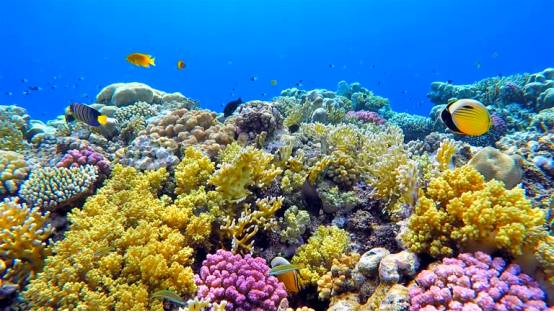
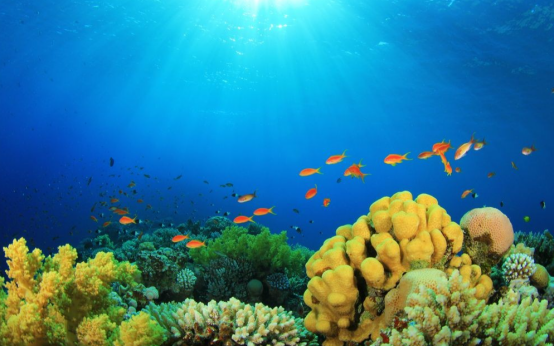
Chemical sunscreens often contain ingredients that are detrimental to coral reef health, specifically oxybenzone and octinoxate. These chemicals can cause coral bleaching and interfere with the reproductive cycles of marine life.
Selecting the Right Protection
Transitioning to physical or mineral-based sunscreens is a critical step for any ocean enthusiast. These products use zinc oxide or titanium dioxide to create a physical barrier on the skin rather than a chemical one.
| Feature | Chemical Sunscreen | Mineral Sunscreen |
|---|---|---|
| Active Ingredients | Oxybenzone, Octinoxate | Zinc Oxide, Titanium Dioxide |
| Reef Safety | Harmful | Safe |
| Absorption | Absorbed into skin | Sits on surface |
Always verify the label for the “Reef-Friendly” designation, but be mindful of “greenwashing.” Always check the ingredient list to ensure it is free from the aforementioned harmful chemicals.

Advanced Ocean-Friendly Travel Products and Tips
Beyond fashion and sunscreen, the gear you carry determines your daily impact. Reducing single-use plastics is the cornerstone of sustainable travel.
Must-Have Sustainable Gear
- Collapsible Water Bottles: Eliminate the need for plastic bottles by carrying a high-quality, reusable stainless steel or silicone vessel.
- Biodegradable Toiletries: Ensure your shampoo, conditioner, and soap are biodegradable to prevent chemical contamination of local water tables.
- Zero-Waste Kits: Carry bamboo cutlery, cloth bags, and reusable straws to avoid plastic waste at dining establishments.
Frequently Asked Questions (FAQ)
- Q1: What does “reef-friendly” actually mean?
- It means the product does not contain chemicals like oxybenzone or octinoxate, which have been scientifically linked to coral bleaching and the disruption of marine endocrine systems.
- Q2: Are all recycled fabrics truly ocean-friendly?
- While recycled materials are better than virgin plastics, they can still shed microplastics. Using a laundry bag specifically designed to capture microfibers during the wash cycle is recommended.
- Q3: How do I identify greenwashing in travel and fashion?
- Look for third-party certifications like GOTS (Global Organic Textile Standard) or B-Corp status rather than vague marketing terms like “all-natural” or “eco-friendly.”
- Q4: Why is linen a better choice than synthetic fabrics for the beach?
- Linen is a natural fiber that is fully biodegradable. Unlike polyester or nylon, it does not release microplastics into the water and requires less water to produce, making it a superior choice for the environment.

Related Posts