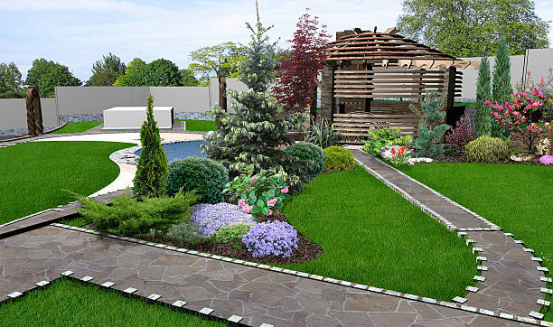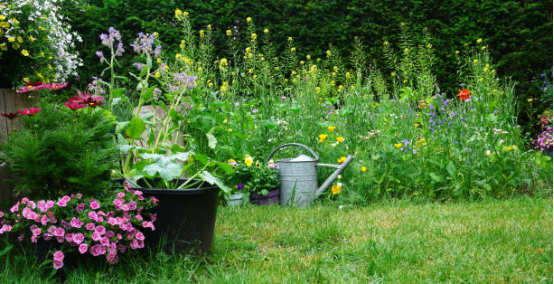
Welcome to the world of gardening! The simple act of planting a seed and watching it grow is a deeply rewarding experience that connects us to nature, provides fresh food, and beautifies our surroundings. Many beginners feel intimidated, picturing vast fields and complex tools, but the truth is that anyone can start a garden, regardless of space. Whether you have a sunny windowsill, a small balcony, or a blank patch of lawn, this guide will provide you with the foundational knowledge to begin your journey with confidence. We will cover the two primary paths for beginners: starting small with container gardening and the more ambitious project of building a new garden bed from the ground up.
Understanding the Core Principles of Gardening
Before you buy a single plant or bag of soil, it’s crucial to understand the fundamental elements that all plants need to thrive. Mastering these basics will prevent most common beginner mistakes and set you up for a successful and enjoyable gardening experience. These principles apply whether your garden is in a tiny pot or a large plot.
Sunlight: The Engine of Plant Growth
Sunlight is arguably the most critical factor. Plants use sunlight for photosynthesis, the process of converting light into energy. Before choosing a spot for your garden, you must become a sun observer. Spend a day tracking how the sun moves across your property or balcony. Note which areas receive direct sun and for how long.
- Full Sun: This means an area receives 6 or more hours of direct, unfiltered sunlight per day. Most vegetables (like tomatoes, peppers, and squash) and many flowering plants (like sunflowers and zinnias) require full sun.
- Partial Sun/Partial Shade: These terms are often used interchangeably and refer to areas that get between 3 and 6 hours of direct sun. Many leafy greens (like lettuce and spinach) and some ornamental plants thrive in these conditions.
- Full Shade: This means less than 3 hours of direct sun per day. While challenging for vegetables, many beautiful foliage plants like hostas and ferns excel in full shade.
Soil: The Foundation of a Healthy Garden
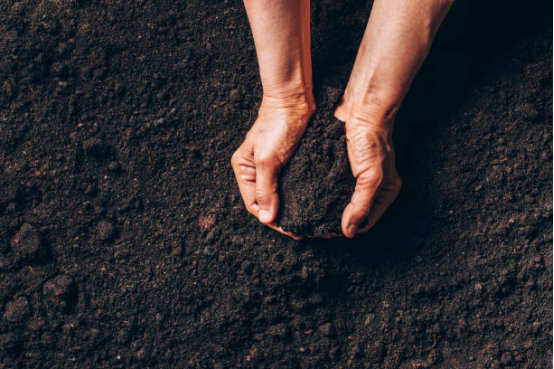
Soil is more than just dirt; it’s a complex ecosystem of minerals, organic matter, water, and air that provides nutrients and structural support to plant roots. For beginners, the two main types of soil to consider are in-ground soil and potting mix.
- In-Ground Soil: If you’re building a garden bed, you need to understand your native soil. It could be heavy clay (holds water, low oxygen), sandy (drains quickly, low nutrients), or loamy (the ideal balance). A simple home soil test kit can tell you about its pH and nutrient levels. Most garden soil needs to be amended with compost or other organic matter to improve its structure and fertility.
- Potting Mix: Never use garden soil in containers. It becomes compacted, drains poorly, and can harbor pests and diseases. Always purchase a high-quality potting mix designed for containers. These mixes are lightweight, sterile, and formulated for optimal drainage and aeration.
Water: The Lifeblood of Plants
Consistent and proper watering is key. Too much water can lead to root rot, while too little will cause plants to wilt and die. The goal is to keep the soil consistently moist but not waterlogged. The best method is to check the soil with your finger. If the top inch is dry, it’s time to water. Water deeply at the base of the plant, allowing the moisture to soak down to the roots. Early morning is the best time to water, as it minimizes evaporation and allows leaves to dry before nightfall, reducing the risk of fungal diseases.

Your First Garden: Two Paths for Beginners
With the core principles in mind, it’s time to decide how you want to start. The best approach depends on your available space, time, and ambition. Both container gardening and in-ground gardening offer unique benefits and learning opportunities.
Path 1: Start Small with Container Gardening
Container gardening is the perfect entry point for absolute beginners, those with limited space like apartments or patios, or anyone who wants a low-commitment way to learn. You can grow a surprising amount of food and flowers in pots.
- Choosing a Container: Almost anything can be a container, but it must have drainage holes at the bottom. Without drainage, water will pool and rot the plant’s roots. The size matters, too. A larger pot holds more soil and moisture, making it more forgiving if you forget to water. Start with pots that are at least 12 inches in diameter.
- Selecting a Potting Mix: As mentioned, use a quality all-purpose potting mix. Do not use soil from your yard. Fill your container to about an inch from the rim, leaving space for watering.
- Planting: Gently remove the plant from its nursery pot, loosen the root ball with your fingers, place it in the new container at the same depth it was growing before, and fill in around it with potting mix. Press down gently to remove air pockets and water thoroughly.
- Placement: Position your containers based on your sun observations. A pot of basil will need that sunny spot on the balcony, while a fern will be happier in a shaded corner.
Path 2: Building a New In-Ground Garden Bed
If you have a yard and are ready for a slightly larger project, building a new garden bed is incredibly satisfying. This process transforms a piece of lawn into a productive and beautiful space.
- Site Selection: Use your sun map to choose the best location. Ensure it’s a spot with good drainage (water doesn’t puddle after rain) and easy access to a water source.
- Defining the Bed: Use a hose or string to outline the shape of your new bed. A rectangular bed about 4 feet wide is ideal, as it allows you to reach the center from either side without stepping on the soil.
- Removing the Sod: The most labor-intensive step is removing the existing grass. You can do this by digging it out with a spade or by using a method called “sheet mulching” or “lasagna gardening,” where you layer cardboard and organic materials on top of the grass to smother it over several months.
- Preparing the Soil: Once the sod is gone, use a garden fork to loosen the top 8-12 inches of soil. This is the time to amend the soil. Spread a 3-4 inch layer of compost, aged manure, or other rich organic matter over the entire bed and mix it into the native soil. This improves soil structure, adds vital nutrients, and boosts microbial life.
Choosing Your First Plants: Easy Wins for Success
Starting with easy-to-grow, resilient plants builds confidence. Trying to grow difficult plants as a beginner can be frustrating. Here are some reliable choices categorized by type, suitable for both containers and in-ground beds.
Easiest Vegetables for Beginners
Growing your own food is a primary motivation for many gardeners. These vegetables are known for being productive and relatively low-maintenance.
- Lettuce and Leafy Greens: Fast-growing and can be harvested multiple times. They prefer cooler weather and can tolerate partial sun.
- Radishes: Incredibly fast, going from seed to harvest in as little as 3-4 weeks. A great choice for impatient gardeners.
- Bush Beans: Prolific and don’t require complex trellising like pole beans. They produce a large harvest in a compact space.
- Zucchini/Summer Squash: Famously productive. Give them full sun and rich soil, and a single plant can provide more squash than one family can eat.
- Cherry Tomatoes: Easier to grow than large varieties and less prone to disease. A single plant in a large pot can produce hundreds of fruits.
Foolproof Herbs for Flavor and Fragrance
Herbs are fantastic for beginners. Most are very hardy, and many are pest-repellent. They do exceptionally well in pots on a sunny windowsill or patio.
- Mint: Extremely vigorous. It’s best to grow it in a container, as it will spread aggressively and take over an in-ground garden bed.
- Basil: Loves heat and sun. Perfect for a summer container garden and pairs perfectly with homegrown tomatoes.
- Chives: A perennial herb that will come back year after year. It has a mild onion flavor and attractive purple flowers.
- Rosemary: A woody, drought-tolerant herb that thrives on a bit of neglect. It needs full sun and well-draining soil.
Essential Care and Ongoing Maintenance
Your work isn’t done after planting. Consistent care is what keeps a garden healthy and productive throughout the season. Developing a simple routine will make these tasks manageable and enjoyable.
Watering Wisely
As discussed, proper watering is vital. The “finger test” is your best guide. For in-ground beds, watering deeply and less frequently is better than shallow, daily watering. This encourages roots to grow deeper into the soil, making plants more resilient. A soaker hose or drip irrigation system can be a great investment, as it delivers water directly to the soil, reducing waste and preventing leaf diseases.
Mulching Your Garden
Applying a 2-3 inch layer of mulch (such as straw, shredded leaves, or wood chips) on top of the soil in your garden bed is one of the best things you can do. Mulch helps to retain soil moisture, suppress weed growth, and regulate soil temperature. As it breaks down, it also adds organic matter to the soil.
Managing Pests and Weeds
Weeds compete with your plants for water, nutrients, and light. The best strategy is to pull them regularly when they are small, before they have a chance to set seed. Mulching will significantly reduce the number of weeds you have to deal with. For pests, the first line of defense is a healthy plant. Many pests can be simply picked off by hand or sprayed off with a jet of water. Avoid chemical pesticides, which can harm beneficial insects like bees and ladybugs.
Frequently Asked Questions (FAQ)
- What is the difference between an annual and a perennial plant?
- An annual plant completes its entire life cycle—from seed to flower to seed—in a single growing season and then dies. Examples include marigolds, zinnias, and most vegetables like tomatoes and zucchini. A perennial plant lives for more than two years, often dying back to the ground in winter and re-sprouting from its roots in the spring. Examples include chives, hostas, and peonies. Understanding this difference helps in garden planning.
- Do I need to fertilize my plants?
- It depends on your soil and what you’re growing. If you start with rich, compost-amended soil, you may not need to fertilize much during the first season. Container plants, however, will need regular feeding because nutrients leach out with each watering. A balanced, all-purpose liquid fertilizer applied every 2-4 weeks is a good practice for most potted plants.
- What are the signs of overwatering vs. underwatering?
- The signs can be surprisingly similar, often involving yellowing, wilting leaves. The key is to check the soil. If the leaves are yellow and wilting and the soil is soggy, you are overwatering. This is causing the roots to drown. If the leaves are dry, crispy, and wilting and the soil is bone-dry, you are underwatering. Always check the soil moisture before assuming the cause.
- Can I start plants from seed, or should I buy starter plants?
- As a beginner, it is highly recommended to start with starter plants (also called seedlings or transplants) from a local nursery. This bypasses the delicate and sometimes tricky stage of seed germination. It gives you a head start and a higher chance of success. Once you have a season of experience, trying to grow from seed can be a fun and cost-effective next step.
- How do I know what “garden zone” I am in?
- Your USDA Plant Hardiness Zone is a geographic area defined by its average annual minimum winter temperature. It’s a guide to help you know which perennial plants are likely to survive the winter in your location. You can easily find your zone by entering your zip code on the USDA website or many gardening websites. While crucial for perennials, it’s less important for annuals that only live for one season.

Related Posts