Ecological Mutualism and Pollination Networks in Apple Orchards
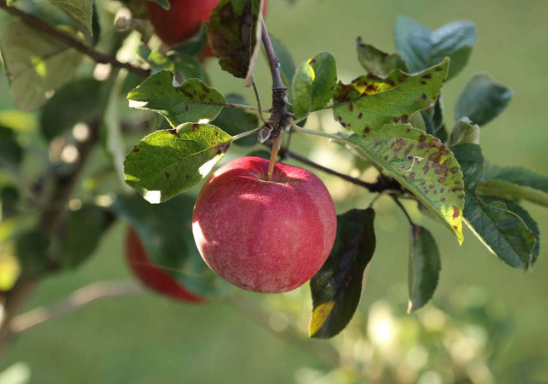
The productivity of apple orchards is fundamentally tied to the health of pollination networks. This ecological mutualism involves a complex interplay between flowering trees and their insect visitors, primarily bees. When these networks are robust, the result is a significant increase in both fruit set and fruit quality, demonstrating the economic value of biodiversity in agricultural systems.
The Role of Pollinator Diversity
Research indicates that relying on a single pollinator species poses risks to orchard stability. A diverse assembly of pollinators ensures that pollination occurs across varying weather conditions and bloom stages.
- Temporal Complementarity: Different bee species emerge at different times, covering the entire apple bloom window.
- Foraging Behavior: Variability in flight patterns and flower visitation improves the distribution of pollen across the stigma.

Reproductive Strategies of Lithops: Survival in Extreme Environments
Lithops, often known as “living stones,” have developed extreme reproductive strategies to survive in arid, resource-scarce environments. Their ability to persist in harsh conditions is a testament to the evolutionary trade-offs between sexual reproduction and vegetative cloning.
Self-Pollination vs. Cloning
In environments where pollinators are rare or unreliable, Lithops utilize self-pollination as a fail-safe mechanism. This ensures that even in isolation, the plant can produce seeds and maintain its genetic lineage.
| Strategy | Advantage | Risk |
|---|---|---|
| Self-Pollination | Guaranteed seed set | Reduced genetic diversity |
| Cloning | Rapid population expansion | Susceptibility to uniform stressors |

The Evolutionary Dance of Orchids and Pollinators
The relationship between orchids and their pollinators represents one of the most sophisticated examples of co-evolution. Orchids have evolved highly specific morphological features that act as lures, traps, or landing platforms for specific insect species, ensuring precise pollen transfer.
Mechanisms of Attraction
Orchids frequently employ sensory deception to attract pollinators. This includes the production of pheromone-mimicking scents and visual patterns that resemble potential mates or food sources.
- Sexual Deception: Certain orchid species release chemicals that mimic the sex pheromones of female insects, luring males to attempt copulation.
- Mechanical Precision: The orchid’s labellum is often shaped to force the pollinator into a specific path, ensuring the pollinia (pollen packets) are securely attached to the insect.

Comparative Analysis of Botanical Reproductive Success
While apple trees, Lithops, and orchids utilize different reproductive tactics, they all operate under the pressure of maximizing reproductive success while minimizing energy expenditure. The following table summarizes the primary drivers of these strategies.
| Plant Group | Primary Driver | Pollination Mechanism |
|---|---|---|
| Apple Trees | Fruit yield optimization | Generalist insect networks |
| Lithops | Survival in drought | Self-pollination/Cloning |
| Orchids | Reproductive specificity | Specialized deceptive lures |
Frequently Asked Questions (FAQ)
- Q1: Why is pollinator diversity crucial for apple orchard yields?
- Pollinator diversity ensures that pollination services are maintained across the entire blooming period. Different species have different activity levels based on temperature and humidity, providing a buffer against environmental variability.
- Q2: What is the primary benefit of Lithops cloning?
- Cloning allows Lithops to propagate even when sexual reproduction is impossible due to the absence of pollinators or extreme environmental stress, effectively allowing the plant to “wait out” unfavorable conditions.
- Q3: How do orchids ensure they are visited by the correct pollinator?
- Orchids use highly specialized attractants, such as visual cues and specific scents that match the sensory biology of a target insect species, minimizing “wasted” pollen on non-pollinating visitors.
- Q4: Can self-pollination lead to the extinction of a plant species?
- While self-pollination ensures immediate reproductive success, it significantly limits genetic recombination. Over the long term, this lack of diversity can reduce a population’s ability to adapt to changing environmental pressures, potentially increasing extinction risk.

Related Posts