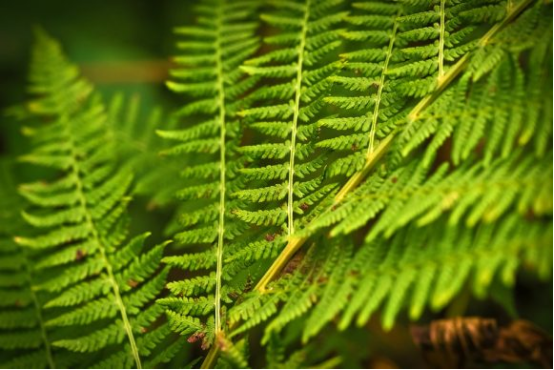
Life on the forest floor is full of mixed emotions: vibrant greenery, but also secret competition and the difficulty of survival. The moist environment allows plants to flourish here, but it comes with a huge challenge – lack of light. Under the layers of canopy, sunlight can only penetrate sparsely, leaving a dim background light. This environment seems unsuitable for any organism, but it gave birth to the ancient plant group of ferns.
People often think that ferns are only suitable for growing in moist and cool forests, but their range of survival is much wider than you think. Although these lush green plants often appear in the dark corners of the forest, ferns have long surpassed people’s traditional impressions. On the moist ground of temperate forests, they struggle and adapt to sunlight and water in their own unique way, and have created their own world in the long process of evolution.
The evolution and survival wisdom of ferns
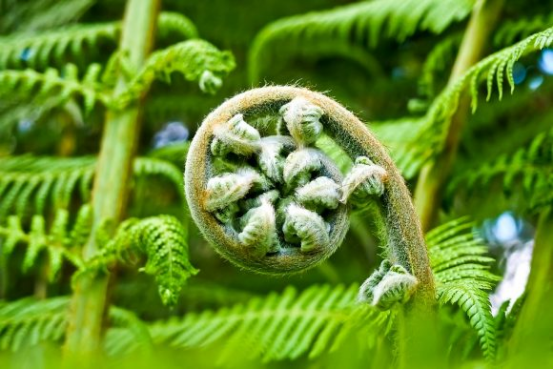
If we go back 400 million years, you will find that ferns were not the quiet understory plants they are today. They once thrived in ancient swampy lowlands and flood plains and were once one of the dominant plants on Earth. At that time, ferns had very flexible growth strategies. They could not only thrive in humid environments, but also quickly occupy barren land after fires and volcanic eruptions. It is conceivable that the Earth was a very dynamic world at that time – the climate changed dramatically and the environment was desolate, but ferns could survive and even grow in these extreme conditions.
Fern Habitats and Adaptations
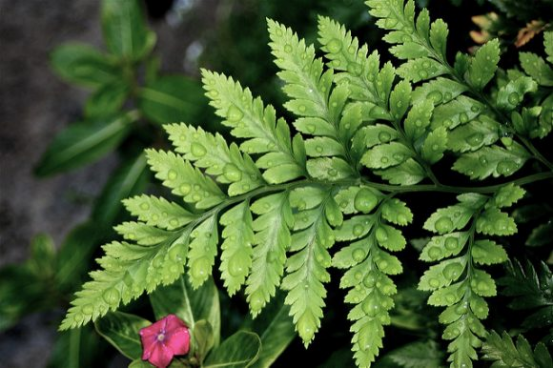
Today, you might find ferns in moist forests, wet rock crevices, acidic wetlands, and even tropical rainforests. While their habitats generally need to be moist and cool, don’t be fooled into thinking that ferns are restricted to these places. You may not know that they can survive in places where other plants cannot, such as the edges of arid deserts, between rocky mountains, and even in the most remote high latitudes.
The reason these ancient plants can survive in such a harsh environment is because they have amazing adaptability. Think about it, in the dark corners of the temperate forest, only a faint light can shine down, but ferns can find their own habitat in this world with almost no sunlight. This is not accidental, but a strong survival instinct in their evolution.
The Amazing World of Reproduction: Spores and Asexual Reproduction
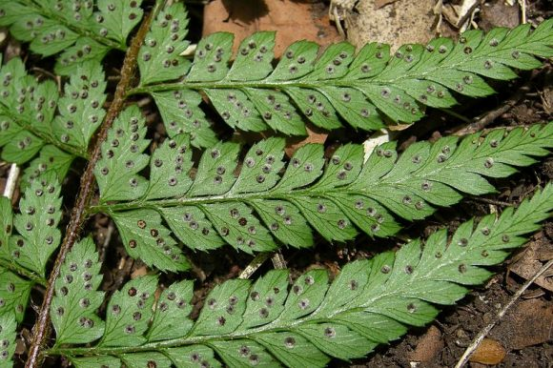
Unlike flowering plants that reproduce through seeds, ferns rely on spores for reproduction. This is the survival wisdom left by their ancestors hundreds of millions of years ago. Spores are as small as dust, lightly drifting with the wind, and after landing in a suitable environment, they begin to develop into new life. You can imagine how well this reproduction method of ferns fits their habitat requirements – these tiny spores do not need to rely on wind pollination or insects, but can complete the mission of passing on their genes on their own.
However, this is not the only way to reproduce. Ferns can also maintain their populations through asexual reproduction. Their rhizomes can spread in the soil to form new plants; even at the tips of leaves, baby ferns quietly grow out and once they are strong enough, they will break away from the mother and grow independently. Isn’t it amazing? These seemingly simple plants have such a rich reproductive strategy.
The tenacity and wisdom of life
Think about it, these green plants have been living on Earth since the Jurassic period and have continued to exist to this day, spanning the extinction of the dinosaurs and witnessing climate change, and still standing. Behind all this is their unparalleled survival wisdom and adaptability. Some ferns can still photosynthesize in extremely cold environments and can even thrive in temperatures as low as -15°C; while other ferns, on the edge of the desert, go into a dormant state when facing the scorching sun and high temperatures, waiting for the right time to revive.
All of this makes people marvel at the vitality of ferns. Not only can they adapt to different environments, but they can also grow tenaciously under conditions of scarce resources and harsh environments. All of this is the result of their hundreds of millions of years of evolution.

Conclusion: The beauty and wonder of ferns
You may not have noticed that ferns are growing quietly around us. They can find their own place in the shadow of the forest, on the moist land, and in the cracks of rocks. They interpret the tenacity and beauty of life in a unique way, becoming a unique landscape in the temperate forest. Perhaps, the next time you walk into the forest, you might as well stop and take a look at the ferns growing in the dark corners – they are not only a miracle of nature, but also a witness of time.

Related Posts