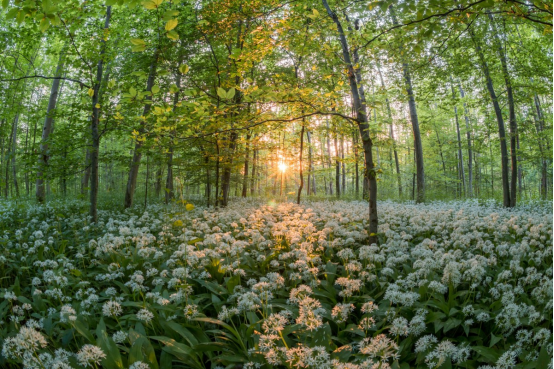
Temperate regions, a land of extremely rich biodiversity, never cease to amaze. From Europe to Asia, from North America to South America, temperate regions have a rich variety of plant species and growth habits. The climate here ranges from the cold temperate zone to the mild warm temperate zone to the Mediterranean climate zone, and all these changes allow plants to continue to show their unique vitality in the changing seasons. For example, maple and oak trees shed their leaves in autumn to prepare for the upcoming cold winter, and with the arrival of spring, they sprout new buds again, showing strong vitality.
Temperate plants tend to have extremely high photosynthesis efficiency. They accumulate a lot of nutrients in the summer when there is sufficient sunlight, and this energy will help them survive the long and cold winter. Their growth cycle is usually closely related to seasonal changes. They start to grow in spring, summer is their most vigorous period, and autumn is the period when they accumulate energy and prepare for dormancy. After entering winter, most of them enter a dormant state until the arrival of the next spring.
Among these plants, Meadow Rose is a shining pearl in the temperate forest. Its beauty not only attracts insects in nature, but also becomes a part of people’s gardening life.
Origin and distribution of meadow rose
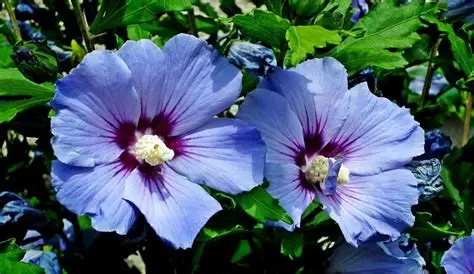
Meadow rose, as the name suggests, is native to North America, mainly distributed in the eastern and central regions of the United States and Canada. This plant grows naturally in meadows, grasslands and open woods. Due to its bright flowers and attractive fragrance, it is widely cultivated and has become an indispensable part of landscaping and gardening design. Whether in urban gardens or in rural borders, these beautiful plants add a lot of color to the surrounding environment.
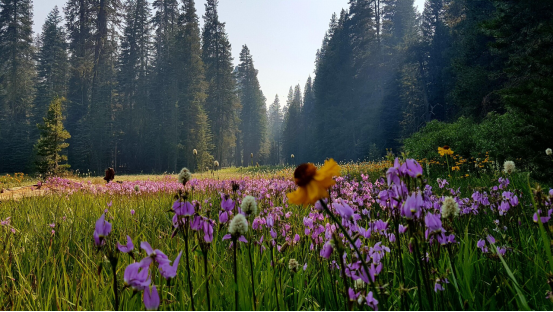
Appearance characteristics of meadow rose
The meadow rose has an elegant yet wild appearance, with slender and thorny stems, giving people a sense of primitive nature. Its leaves are oval, and the green leaves gradually turn yellow and red in autumn, as if nature has laid a gorgeous autumn dress for this plant. From June to August every year, the meadow rose blooms pink or white flowers with delicate petals and a pleasant fragrance, attracting pollinators such as bees and butterflies. Those clusters of small flowers are a beautiful landscape whether in the grassland or in the garden.
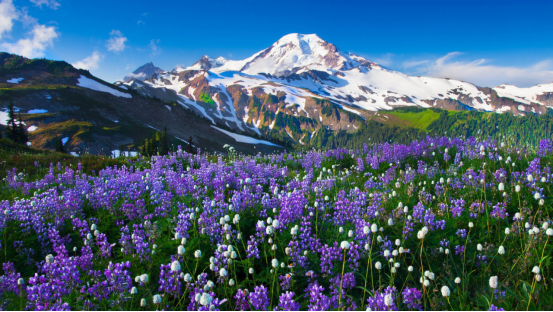
Growth habits and environmental requirements of meadow rose
Meadow rose is a hardy plant that can adapt to a variety of soil types and growing conditions. It likes plenty of sunlight, so it grows best in sunny places, and its growth is slightly inferior to partial shade. Proper watering is also key to its growth. Too much or too little water will affect its health. It is worth mentioning that meadow rose has strong resistance to diseases and pests. They can grow luxuriantly in a variety of environments, making them the first choice of many gardeners and plant lovers.
The tenacious vitality of meadow rose makes it shine in landscaping. It is often used as a border plant, hedge and large-scale planting. Its beautiful flowers and strong vitality make it a highlight in urban parks, community gardens and rural landscape design.

Variety diversity of meadow roses
There are several different varieties of meadow roses, the most common of which include:
Rosa Blanda var. borealis: This variety is highly adaptable and can grow in cold areas. Its flowers are usually light in color and are suitable as a ground cover plant.
Rosa Blanda var. Grandiflora: This variety has large flowers with rich colors and is often used in landscaping, especially in courtyards and gardens.
Rosa Blanda var. Neomexicana: This variety has a strong tolerance to drought conditions and is suitable for planting in relatively dry environments. It also has brighter flowers and is suitable for viewing.
Each variety differs in flower color, flower shape and growth habit, so choosing the right variety based on different needs is crucial for gardening design.
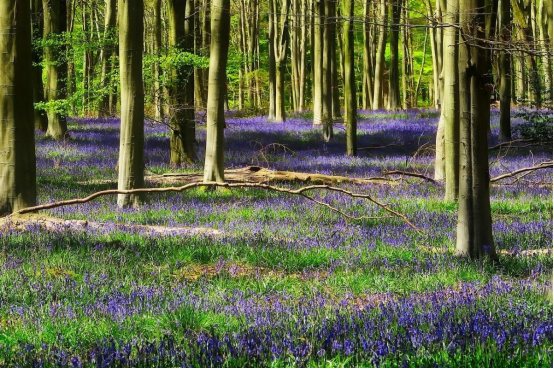
Ecological and cultural significance of meadow rose
The meadow rose is not only a beautiful representative of temperate regions, but also plays an important role in the ecosystem. Its flowers provide an important food source for many pollinators, especially insects such as bees and butterflies, which not only help the meadow rose to reproduce, but also contribute to the ecological balance of nature. From a cultural perspective, the rose symbolizes love and beauty in many cultures. Its beautiful flowers often appear in literature, art and poetry, becoming a symbol of love and natural beauty.
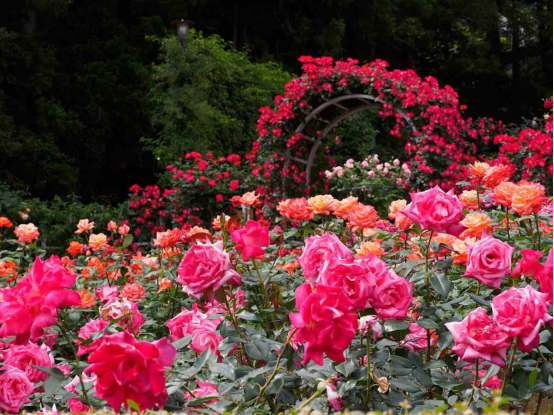
Conclusion: The Temperate Charm of Meadow Rose
Meadow rose, with its hardiness, fragrance and beautiful flowers, has a place in the forests and grasslands of temperate regions. It is not only a decoration of nature, but also a bridge for the harmonious coexistence of humans and nature. In the city garden, meadow rose is a good product to decorate life; in the open space of the forest, it is a beautiful gift from nature. Whether as a garden plant or as part of the natural landscape, meadow rose has won people’s love with its unique charm.

Related Posts