When you walk into a forest, the most attractive thing is probably the majestic oak tree. They stand there, with deep roots and lush leaves, as if racing against time, never retreating. The existence of oak trees has far exceeded the scope of “trees”. They carry culture, history, and even symbolize strength and vitality. So why do oak trees have such a special status in different cultures? How have they witnessed and influenced human civilization for thousands of years?

Taxonomy and Botanical Characteristics of Oak Trees
Oak belongs to the Fagaceae family, Quercus, which has more than 600 species. They are found in temperate and subtropical regions of the Northern Hemisphere. The most famous of the oaks is Quercus robur, which is tall, tough, and widely distributed in Europe. It is the representative species in Linnaeus’s Species Plantarum.
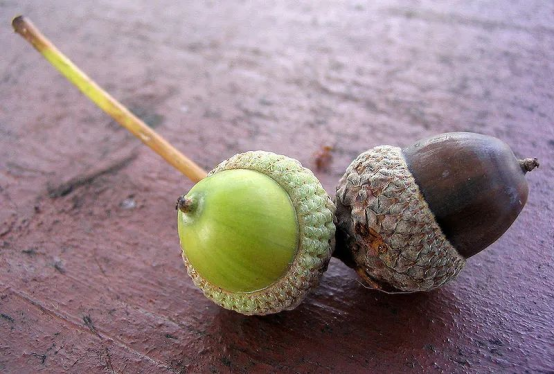
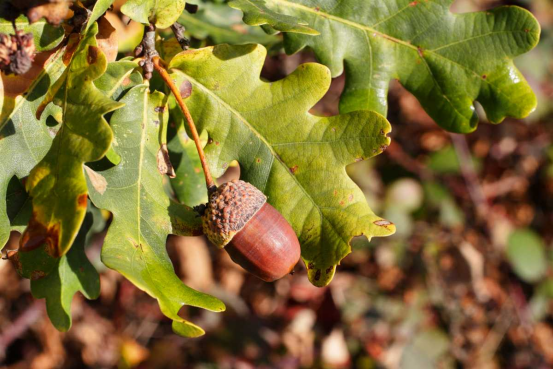
The leaves of oak trees are large and wide, with distinct lobes, like works of art carefully carved by nature. Every spring, they bloom with small yellow flowers and produce acorns with hard shells. These acorns are the seeds of the growth and reproduction of oak trees, as if they are quietly telling the story of life. Have you noticed the strength of the oak tree’s roots? They can go deep into the ground, withstand wind and rain, and continue to grow for generations. This tenacious vitality seems to tell us: no matter how harsh the outside world is, oak trees can always take root in the earth and welcome every tomorrow.
The Historical and Cultural Significance of Oak Trees
Perhaps each of us has an “oak tree” in our hearts. It is not only a part of nature, but also deeply rooted in our culture and history. The ancient Greeks regarded the oak as a symbol of Zeus, while the Celts associated it with wisdom, strength and holiness. In Norse mythology, the sacred tree of Thor is the oak. The oak is not only a sacred existence in mythology, but also a witness to history.
Whenever I walk in this forest of oak trees, I always imagine that the ancients thousands of years ago might have taken shelter in this forest and listened to the sound of the wind blowing through the oak leaves. The oak trees at that time might have witnessed the vicissitudes of history and possessed deeper wisdom and power than anyone else.
Medicinal properties and traditional uses
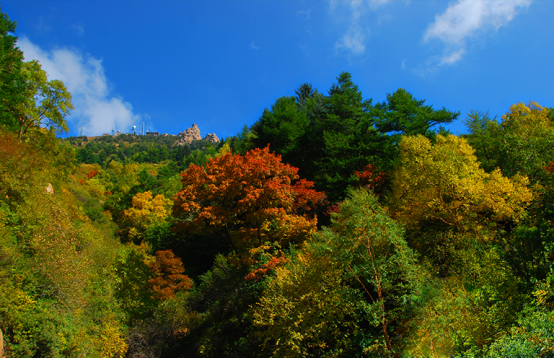
Often, the tree we see is more than just a tree. Oak bark, leaves, and fruit have a long history in traditional medicine and are widely used as medicine. Its bark is rich in tannins, which can help relieve problems such as diarrhea and dysentery. When I was a child, whenever I had a stomachache, my grandmother always liked to make tea with herbs, including oak bark.
Oak galls, with their hardness and toughness, were used to make leather in the past. The tannins they contain have become an important source of traditional tanned leather. These inconspicuous parts of oak trees have silently supported the daily lives of countless families in the past. We may not realize that every small item in our lives may have the contribution of an oak tree.
Agricultural Application and Economic Value of Oak
In modern times, the value of oak trees is also not to be underestimated. Its wood is hard and has a unique texture, and is widely used in furniture, construction, flooring and other industries. Perhaps the wooden tables and chairs in your home are made of oak, and you can feel the power and warmth of oak. The most amazing thing is the oak barrel. Wine, whiskey and other spirits aged in oak barrels always give us a unique flavor. Have you ever drunk wine that has been soaked in oak barrels? Its aroma has the breath of nature, as if you can drink the warmth of the earth in one sip.
Oak not only brings convenience to our lives, but also makes a huge contribution to the global economy. Whether it is wine, furniture, building materials, or many other industries, they all rely on oak. Have you ever thought that every oak tree silently supports a huge industrial chain?
Environmental impact and sustainability
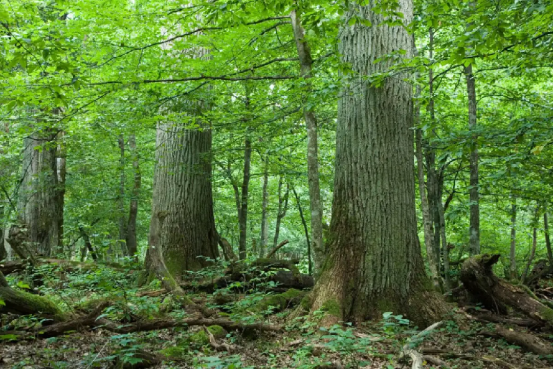
Perhaps we have not yet realized how much the oak tree contributes to the environment. Its deep roots not only prevent soil erosion, but also protect the forest ecosystem. Oak trees provide habitats for birds, and acorns provide food for countless small animals. When you walk into the forest and see the old oak tree, you may not think that its branches and leaves not only carry its life, but also silently maintain the balance of the entire ecosystem.
In the face of climate change and environmental challenges today, the ecological value of oak trees has become even more important. They help regulate the climate, absorb carbon dioxide, and participate in the protection of the global ecology through carbon sequestration. The existence of oak trees seems to remind us that the ecological balance of the earth does not rely solely on technology, it requires the participation of every tree.
Distribution and lifespan of oak trees
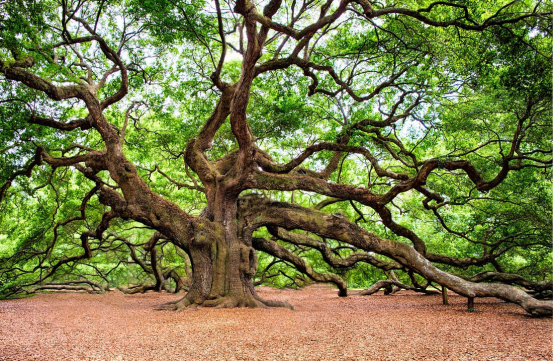
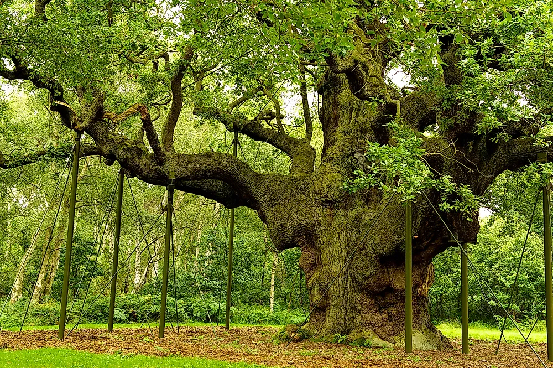
Did you know that oak trees have an extremely long lifespan? Some oak trees can live up to 150 years, or even 300 years. And the most amazing thing is that some species of oak trees can live for thousands of years! For example, in Louisiana, USA, a Southern Live Oak tree is said to be 1,200 years old. It has witnessed the ups and downs of human civilization, as well as countless changes in nature. Imagine, in 1,200 years, it has experienced so much wind and rain, and so many years of erosion, but it still stands here, still green. How can such vitality not move people?
Conclusion: Oak, a symbol of eternity
The oak tree is a symbol of strength, wisdom and vitality. It is not only a pillar in the forest, but also a part of human civilization. From ancient Greece to today, from myth to reality, the oak tree has always occupied an irreplaceable position in our culture and history. Its roots are deeply rooted in the soil, telling us that only by taking deep roots can we meet any challenge and cross the long river of time.
When we look up at the old oak tree, we are not just looking at a tree, we are looking at history, culture, and even the meaning of life. Every leaf and every acorn reminds us to cherish nature and protect these “old friends” who have accompanied us for thousands of years. Let us protect these great lives together, let them continue to grow on the earth, and continue to bring us strength and wisdom.

Related Posts