Plants are the silent architects of our world, engaging in a constant, dynamic struggle for survival and reproduction. Their existence is a masterpiece of biological engineering, governed by intricate physiological processes and remarkable adaptations to their environment. From the moment a seed sprouts to the complex chemical signals that dictate flowering and color changes, every aspect of a plant’s life is a lesson in efficiency and resilience. This guide delves into the fundamental principles of plant physiology, exploring the complete life cycle and showcasing specific, fascinating examples of adaptation—from the sun-tracking dance of the sunflower to the vibrant autumn strategy of the maple tree and the resilient blooming cycle of the Phalaenopsis orchid.
The Foundational Journey: A Plant’s Life Cycle from Seed to Maturity
The life of a vascular plant is a cyclical journey of transformation, beginning with a dormant seed and culminating in the production of the next generation. This process, while varying in duration and detail across species, follows a universal blueprint of growth, development, and reproduction, driven by genetic instructions and environmental cues.
The Spark of Life: Seed Germination and Establishment
A seed is a self-contained vessel of potential, holding a dormant embryo and a food supply (endosperm) protected by a tough outer coat. Germination is the process that awakens the embryo, and it is initiated by a combination of specific environmental conditions, primarily water, oxygen, and a suitable temperature. The first step is imbibition, where the seed absorbs water, causing it to swell and rupture the seed coat. This triggers metabolic activity, allowing the embryo to access its stored energy. The first part of the plant to emerge is the radicle, or embryonic root, which grows downward to anchor the seedling and absorb water and nutrients from the soil. Shortly after, the embryonic shoot, or plumule, emerges and grows upward, seeking light to begin photosynthesis.
The Growth Engine: Vegetative Development and Photosynthesis
Once established, the seedling enters the vegetative stage, a period focused on growth and energy accumulation. This phase is characterized by the development of the primary plant structures:
- Roots: The root system expands, providing stability and increasing the surface area for absorbing water and dissolved minerals from the soil.
- Stems: The stem elongates, providing structural support and housing the vascular system (xylem and phloem) that transports water, nutrients, and sugars throughout the plant.
- Leaves: Leaves are the primary sites of photosynthesis, the critical process where the plant uses sunlight, water, and carbon dioxide to create glucose (sugar), its main source of energy.
This stage is all about building biomass and storing energy in preparation for the resource-intensive process of reproduction.
The Ultimate Goal: Reproduction, Pollination, and Dispersal
The transition to the reproductive stage is triggered by a mix of internal genetic timers and external cues like day length (photoperiod) and temperature. This leads to the development of flowers, which are the plant’s reproductive organs. Pollination—the transfer of pollen from the male anther to the female stigma—is essential for fertilization and can be facilitated by wind, water, or animals (pollinators). Following successful fertilization, the ovary develops into a fruit, and the ovules inside become seeds. The final step is seed dispersal, a crucial mechanism for spreading offspring to new locations to reduce competition and colonize new habitats.

Architectural Marvels: Structural Form and Function
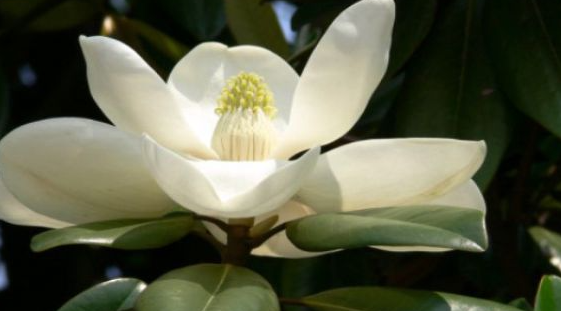
A plant’s physical structure is a direct reflection of its evolutionary history and adaptation to its environment. Every component, from the deepest root to the most delicate petal, serves a specific purpose related to survival, resource acquisition, and reproduction. The magnolia, as an ancient flowering plant, provides an excellent case study in enduring structural design.
The Anchor and Nutrient Hub: The Root System
The root system is a plant’s lifeline, performing several critical functions simultaneously. It provides a strong anchor, securing the plant against wind and physical disturbances. More importantly, it is a highly efficient absorption network. The surface of the roots, particularly the fine root hairs, is designed to maximize contact with the soil to absorb water and essential minerals. In species like the magnolia, a deep and extensive root system not only provides stability for its large, woody structure but also allows it to access water sources deep within the soil, making it resilient to periods of drought.
Reaching for the Sky: Stems and Vascular Tissues
The stem serves as the plant’s central scaffold, supporting the leaves, flowers, and fruits and positioning them optimally for sunlight and pollination. Within the stem lies the vascular system, a complex network of tissues. The xylem transports water and minerals from the roots up to the rest of the plant, while the phloem distributes the sugars produced during photosynthesis from the leaves to areas of growth or storage. In woody plants like magnolias, the stem’s robust structure is composed of hardened, dead xylem cells, providing the strength needed to support a large canopy and withstand environmental stresses for decades or even centuries.
Case Study – The Ancient Magnolia: A Blueprint for Success
The Magnolia is considered a primitive flowering plant, offering a glimpse into early plant evolution. Its structure is a testament to timeless design principles. Its flowers, for example, are large and sturdy, an adaptation to pollination by beetles before more delicate pollinators like bees had evolved. The floral parts are arranged in a spiral rather than distinct whorls, another ancient trait. Its tough leaves and strong woody stem are adaptations that have allowed it to survive and thrive across geological epochs, showcasing how a well-designed physiological structure is the foundation of long-term ecological success.

The Chemical Symphony: Hormones and Pigments at Work
Beyond their physical structure, plants are governed by a complex internal world of chemical signals. Hormones act as messengers that regulate growth, development, and responses to the environment, while pigments play crucial roles in energy capture and protection. This chemical symphony allows plants to perform dynamic actions, from tracking the sun to producing vibrant seasonal colors.
Following the Sun: Auxin’s Role in Sunflower Heliotropism
The remarkable ability of young sunflowers to track the sun across the sky, a phenomenon known as heliotropism, is a classic example of hormonal control. This movement is driven by the plant hormone auxin. On the side of the stem away from the sun, auxin accumulates, stimulating cell elongation. This causes the shaded side of the stem to grow faster than the sunlit side, effectively bending the plant towards the light. This process is not just a passive response; it is regulated by the plant’s internal circadian clock. At night, the sunflower head reorients to face east, anticipating the sunrise. This sun-tracking behavior maximizes light interception for photosynthesis and also warms the flower head in the morning, making it more attractive to pollinators.
The Colors of Autumn: Pigment Strategy in Maple Leaves
The brilliant red, orange, and yellow hues of maple leaves in autumn are the result of a carefully orchestrated chemical process. Throughout the growing season, leaves are green due to the dominance of chlorophyll, the pigment essential for photosynthesis. As days shorten and temperatures drop, plants begin to shut down for winter. Chlorophyll production ceases, and the existing pigment breaks down, unmasking other pigments that were present all along, such as yellow and orange carotenoids. The vibrant reds and purples, however, are from anthocyanins, which are actively produced in the leaf in autumn. Scientists believe anthocyanins act as a form of sunscreen, protecting the leaf’s machinery as it salvages valuable nutrients (like nitrogen) before shedding. This protective role allows the tree to maximize resource recovery before entering winter dormancy, making the stunning display a functional evolutionary strategy.
Brewing Perfection: Metabolites in Tea Leaves
The unique flavor and aroma of tea, derived from the plant Camellia sinensis, are determined by its chemical composition, which is heavily influenced by its environment and physiology. Spring tea is often considered the most fragrant and flavorful due to the plant’s metabolic state after winter dormancy. During the cold months, the tea plant’s growth slows, and it accumulates a high concentration of nutrients and flavor precursors in its roots. As temperatures rise in spring, these stored compounds are transported to the new shoots. These include theanine, an amino acid that contributes to the savory (umami) taste, and catechins, polyphenols that provide astringency and antioxidant properties. The cool, misty conditions of spring also slow leaf growth, allowing these compounds to concentrate, resulting in a more complex and desirable flavor profile compared to teas harvested in the heat of summer.

Advanced Survival and Reproductive Strategies
In the competitive natural world, plants have evolved a breathtaking array of specialized strategies to ensure their survival and reproductive success. These adaptations can involve unique metabolic pathways, precise responses to environmental triggers, and symbiotic relationships with other organisms. The Phalaenopsis orchid is a prime example of a plant with a highly specialized lifestyle and reproductive cycle.
Blooming on Demand: The Phalaenopsis Orchid’s Reproductive Cycle
Phalaenopsis orchids, also known as moth orchids, have the remarkable ability to bloom several times a year, a strategy that maximizes their reproductive opportunities. This is not a random occurrence but a finely tuned response to specific environmental cues. A key trigger for inducing a new flower spike is a sustained drop in temperature for a few weeks. This mimics the natural seasonal changes in their native habitats and signals to the plant that favorable conditions for pollination are approaching. This temperature sensitivity allows them to conserve energy during less optimal periods and invest it in flowering when the chances of success are highest. Plant hormones, particularly cytokinins, play a crucial role in promoting the budding and development of these flower spikes.
Adapting to an Aerial Lifestyle: Epiphytism and CAM Photosynthesis
Many orchids, including Phalaenopsis, are epiphytes, meaning they grow on other plants (like trees) rather than in the soil. This lifestyle gives them better access to sunlight in dense forests but presents a major challenge: water scarcity. Their thick, fleshy roots are adapted to absorb moisture quickly from rain and humidity, and a waxy coating on their leaves minimizes water loss. To further conserve water, these orchids utilize a special type of photosynthesis called Crassulacean Acid Metabolism (CAM). Unlike most plants, CAM plants open their stomata (leaf pores) only at night to take in carbon dioxide, storing it as an acid. During the day, they close their stomata to prevent water evaporation and use the stored CO2 and sunlight to perform photosynthesis. This clever adaptation allows them to thrive in environments where water is not consistently available.

Conclusion: The Silent, Dynamic World of Plants
The world of plants is anything but static. It is a realm of constant activity, driven by a sophisticated interplay of genetics, physiology, and environmental interaction. From the fundamental life cycle that transforms a tiny seed into a towering tree to the precise hormonal control that allows a sunflower to follow the sun, plants demonstrate an incredible capacity for adaptation and survival. The structural integrity of the ancient magnolia, the protective chemical warfare waged in an autumn maple leaf, and the water-conserving metabolic genius of an orchid are all testaments to the evolutionary pressures that have shaped the plant kingdom.
By understanding these intricate mechanisms, we gain a deeper appreciation for the resilience and complexity of the ecosystems around us. Each plant is a self-sustaining biological marvel, a master of chemistry and architecture that has perfected the art of converting sunlight into life. Their silent, dynamic existence underpins the health of our planet and continues to offer endless insights into the principles of life itself.
Frequently Asked Questions (FAQ)
- Q1: Why do some plants, like sunflowers, track the sun?
- This behavior, called heliotropism, is primarily driven by the hormone auxin. It allows young plants to maximize their exposure to sunlight, which boosts photosynthesis and growth. In mature sunflowers, facing east helps warm the flower head in the morning, which has been shown to attract more pollinating insects, thereby increasing reproductive success.
- Q2: What makes spring tea taste different and often better?
- Spring tea’s superior flavor comes from the tea plant’s physiology after winter dormancy. During winter, the plant stores a high concentration of nutrients and flavor compounds, such as theanine (for sweetness/umami) and catechins (for complexity), in its roots. In spring, these compounds are flushed into the first new shoots, creating a richer, more complex, and less bitter flavor profile than teas harvested later in the year.
- Q3: Are the vibrant red and orange colors of autumn leaves just a side effect of dying?
- No, they are part of an active, strategic process. While the yellow and orange carotenoids are simply unmasked as green chlorophyll breaks down, the red and purple anthocyanins are actively produced. The leading theory is that these pigments act as a sunscreen, protecting the leaf from sun damage while it works to reabsorb valuable nutrients (like nitrogen and phosphorus) back into the tree before the leaf is shed for winter.
- Q4: How can an orchid be encouraged to bloom multiple times a year?
- Phalaenopsis orchids are triggered to re-bloom by specific environmental cues, most notably a drop in temperature. To encourage a new flower spike, you can expose the plant to a consistent nighttime temperature drop of about 10-15°F (5-8°C) for several weeks. This mimics their natural environment and signals the plant to initiate its reproductive cycle.
- Q5: What is the very first stage in a plant’s life after being a seed?
- The first stage is germination, which begins with imbibition—the absorption of water by the seed. This triggers the embryo’s metabolism. Following this, the first physical part to emerge from the seed is the radicle, or embryonic root. The radicle grows downward to anchor the new seedling in the soil and begin absorbing water, establishing the foundation for all future growth.

Related Posts