The modern resurgence of indoor gardening has transformed how we interact with nature, bringing the tranquility of the outdoors directly into our living rooms, offices, and urban apartments. Cultivating a mini garden, arranging a stunning succulent display, or nurturing a vibrant pot of flowers is no longer just a hobby; it is a lifestyle choice that promotes mental well-being, improves indoor air quality, and elevates interior aesthetics. This comprehensive guide synthesizes the most crucial knowledge from across the botanical spectrum, providing a masterclass in plant cultivation for everyone from absolute beginners to seasoned horticulturists.
Creating a thriving indoor ecosystem requires more than simply placing a plant in a pot and occasionally watering it. It demands a nuanced understanding of microclimates, soil composition, light spectrums, and the specific biological needs of different plant species. By mastering the foundational principles of horticulture outlined in this guide, you will be equipped to design, build, and sustain a lush, resilient, and visually captivating indoor garden.
The Foundation of Mini Gardening: Why Potted Plants Are Perfect for Any Space
Miniature gardening offers an unparalleled opportunity to exercise creativity within spatial constraints. Unlike traditional outdoor landscaping, which requires significant square footage and is at the mercy of unpredictable weather patterns, indoor potted plants allow for precise environmental control. This level of control makes it possible to cultivate exotic species, delicate flowers, and intricate succulent arrangements that might otherwise perish in your local climate.
The Psychological and Environmental Benefits
The integration of greenery into human spaces, often referred to as biophilic design, has profound psychological benefits. Studies have consistently shown that the presence of indoor plants reduces cortisol levels, lowers blood pressure, and mitigates symptoms of anxiety and depression. Furthermore, the act of tending to a mini garden—watering, pruning, and observing growth—fosters a sense of mindfulness and routine.
Environmentally, potted plants act as natural air purifiers. Through the process of photosynthesis and the microscopic pores on their leaves, plants absorb volatile organic compounds (VOCs) such as formaldehyde, benzene, and trichloroethylene, replacing them with fresh oxygen. This microscopic filtration system is particularly vital in modern, tightly sealed, energy-efficient buildings where indoor air pollution can easily accumulate.
Assessing Your Spatial and Environmental Constraints
Before purchasing your first plant, a rigorous assessment of your indoor environment is mandatory. You must evaluate the directional facing of your windows (North, South, East, or West), the ambient humidity levels, and the average temperature fluctuations throughout the day and night. A common pitfall for novice gardeners is selecting a plant based purely on aesthetic appeal rather than environmental compatibility. By matching the specific microclimate of your room to the evolutionary adaptations of the plant, you set the stage for long-term horticultural success.
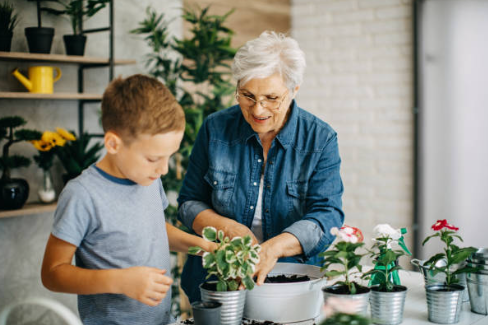
Most Popular Potted Plants to Kickstart Your Mini Garden
Selecting the right specimens is the most critical step in creating a mini garden. The market is flooded with thousands of cultivars, each boasting unique foliage, growth habits, and care requirements. For those just beginning their botanical journey, it is highly recommended to start with robust, forgiving species that can tolerate occasional neglect or suboptimal conditions.
Low-Maintenance Champions for Beginners
Certain plants have earned a reputation as “unkillable” due to their extraordinary resilience. These species have evolved in harsh natural environments, equipping them with the ability to survive drought, low light, and poor soil conditions. Incorporating these into your mini garden guarantees early success and builds confidence.
- Sansevieria (Snake Plant): Characterized by its architectural, sword-like leaves, the Snake Plant is highly drought-tolerant and thrives in almost any light condition, from bright indirect sunlight to near-total shade. It is also one of the few plants that continues to convert carbon dioxide into oxygen during the night.
- Epipremnum aureum (Pothos): A trailing vine that is incredibly communicative; its leaves will droop noticeably when it requires water, recovering within hours of hydration. It is perfect for hanging baskets or trailing down bookshelves.
- Zamioculcas zamiifolia (ZZ Plant): With its glossy, dark green compound leaves, the ZZ plant stores water in its thick rhizomes, allowing it to survive for months without watering. It is the ultimate hands-off plant.
Data Comparison of Popular Indoor Plants
To assist in your selection process, the following table breaks down the core requirements of the most popular potted plants used in indoor mini gardens.
| Plant Species | Light Requirement | Watering Frequency | Difficulty Level |
|---|---|---|---|
| Monstera Deliciosa | Bright, Indirect | When top 2 inches are dry | Beginner/Intermediate |
| Spathiphyllum (Peace Lily) | Low to Medium | Keep consistently moist | Beginner |
| Ficus Lyrata (Fiddle Leaf Fig) | Bright, Indirect | When top soil is dry | Advanced |
| Calathea (Prayer Plant) | Medium, Indirect | High humidity, moist soil | Intermediate/Advanced |
Designing Your Succulent Garden: A Beginner to Expert Blueprint
Succulents have taken the gardening world by storm, prized for their geometric symmetry, vibrant color palettes, and low-water requirements. However, cultivating a thriving succulent garden requires a paradigm shift from traditional plant care. Because these plants originate from arid, desert-like climates, their root systems are highly susceptible to rot if exposed to excess moisture.
Selecting the Right Succulent Varieties
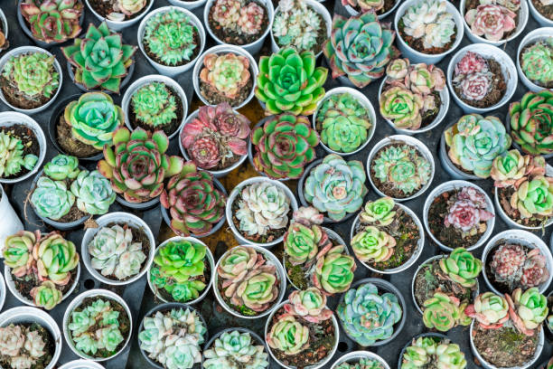
When assembling a succulent bowl or terrarium, it is imperative to group plants with identical light and water requirements. Mixing a desert cactus with a moisture-loving tropical succulent will inevitably lead to the demise of one. Popular choices for beginners include Echeveria, known for their stunning rosette shapes; Haworthia, featuring striking zebra-like stripes; and Crassula ovata (Jade Plant), which can grow into a magnificent miniature tree over time.
The Thriller, Filler, and Spiller Design Technique
To elevate your succulent arrangement from a simple collection of plants to a cohesive piece of living art, employ the classic “Thriller, Filler, Spiller” design methodology used by expert landscapers.
- The Thriller: This is your focal point. Choose a tall, striking succulent with vibrant colors or a unique architectural shape, such as an Aeonium or a tall Cacti species. Place it near the center or back of the container.
- The Filler: These are mid-sized succulents that surround the thriller, adding mass and contrasting textures. Echeverias, Sempervivums, and Sedums are excellent fillers that create a lush, abundant look.
- The Spiller: To soften the edges of your container and add dynamic movement, incorporate trailing succulents that cascade over the sides. The String of Pearls (Senecio rowleyanus) or Burro’s Tail (Sedum morganianum) are unparalleled in this role.
Five Essential Rules for Cultivating Healthy Potted Flowers
Growing blooming flowers indoors or on a balcony requires a higher level of horticultural precision than maintaining basic foliage plants. Flowers are energy-intensive structures; a plant must be in peak physiological condition to produce and sustain blooms. Novice gardeners often struggle with premature bud drop, pale petals, or an outright refusal to bloom. By adhering strictly to these five essential reading points, you can ensure a continuous, vibrant floral display.
Rule 1: Understanding Root Aeration and Container Drainage
The single most common cause of death for potted flowers is root rot, brought on by waterlogged soil. Plant roots require oxygen just as much as they require water. If a container lacks drainage holes, water pools at the bottom, creating an anaerobic environment where destructive fungi thrive. Always select pots with ample drainage, and never rely solely on a layer of gravel at the bottom, which actually creates a perched water table that keeps the soil dangerously saturated.
Rule 2: Tailoring Nutrition and Fertilization Cycles
Flowering plants rapidly deplete the finite nutrients available within their potting soil. To support the massive energy expenditure of blooming, you must implement a strict fertilization schedule. Look for fertilizers with a higher Phosphorus (P) and Potassium (K) ratio compared to Nitrogen (N). Nitrogen promotes leafy green growth, while Phosphorus is the critical element that stimulates root development and robust flower production. Apply water-soluble fertilizers at half-strength every two weeks during the active growing season.
Rule 3: Mastering Pruning and Deadheading
To maximize the blooming period of your potted flowers, you must master the art of deadheading—the removal of spent or fading flowers. When a flower fades, the plant naturally diverts its energy into producing seeds. By cleanly snipping off the dying flower before seed production begins, you trick the plant into redirecting that energy back into producing new buds, thereby extending the floral display by weeks or even months.
Rule 4: Monitoring Microclimates
Potted flowers are highly sensitive to sudden environmental shifts. Placing a blooming plant near an air conditioning vent, a drafty window, or a radiator will almost certainly cause thermal shock, leading to immediate flower and leaf drop. Ensure your plants are situated in a stable microclimate with consistent ambient temperatures and adequate air circulation to prevent fungal spores from settling on the foliage.
Rule 5: Establishing a Consistent Observation Routine
The most successful gardeners are those who observe their plants daily. By inspecting the undersides of leaves, feeling the weight of the pot, and noting the turgidity of the stems, you can catch the early warning signs of dehydration, nutrient deficiency, or pest infestations before they escalate into fatal problems. Cultivate the habit of active observation rather than passive ownership.
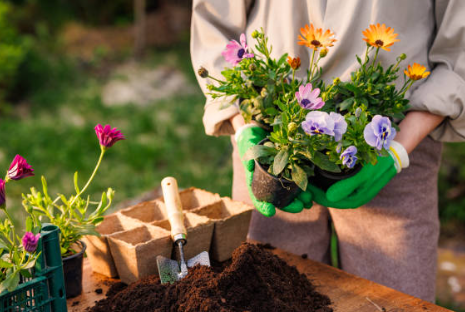
The Holy Trinity of Plant Care: Soil, Sunlight, and Hydration
Every successful indoor garden is built upon the mastery of three fundamental pillars: the growing medium, the light spectrum, and the watering technique. An imbalance in any one of these pillars will inevitably compromise the health of the plant, regardless of how robust the species might be.
Formulating the Perfect Potting Mix
Standard garden dirt should never be used in a potted environment; it is too dense, lacks proper aeration, and often harbors outdoor pests and pathogens. Instead, you must utilize or create a specialized potting mix tailored to the plant’s natural habitat. A high-quality universal indoor mix typically consists of peat moss or coco coir for moisture retention, perlite or pumice for drainage and aeration, and a slow-release organic compost for long-term nutrition. For succulents and cacti, the ratio must be heavily skewed towards inorganic materials (up to 70% pumice, coarse sand, or expanded shale) to ensure rapid water drainage.
Decoding Sunlight Requirements
Light is the fuel that drives photosynthesis, the process by which plants create their own food. Misunderstanding light terminology is a common trap for beginners. “Direct sunlight” means the sun’s rays hit the plant’s leaves without any obstruction, ideal for succulents but scorching for delicate tropicals. “Bright, indirect light” is the sweet spot for most indoor plants; this is found right next to an East-facing window, or a few feet back from a South-facing window, where the light is intensely bright but diffused. “Low light” does not mean no light; it simply means the plant can survive in a North-facing room or further away from windows, though its growth will significantly slow down.
Precision Watering Techniques
Watering on a strict calendar schedule (e.g., “every Sunday”) is a recipe for disaster, as a plant’s water uptake varies based on temperature, humidity, and seasonal growth cycles. Instead, water based on the soil’s moisture level. A highly effective technique for potted plants is “bottom watering.” By placing the pot in a basin of water and allowing the soil to absorb moisture through the drainage holes via capillary action, you ensure deep root hydration while keeping the topsoil dry, which drastically reduces the risk of fungus gnats and top-down rot.
Step-by-Step Repotting and Propagation Techniques
As your mini garden thrives, your plants will eventually outgrow their initial containers. Understanding when and how to repot is essential for maintaining vigorous growth and preventing a condition known as being “root-bound,” where roots circle the bottom of the pot, choking themselves and preventing nutrient absorption.
Recognizing the Signs That Your Plant Needs Repotting
Do not repot simply because you purchased a new decorative container; unnecessary repotting causes profound root stress. Look for definitive signs that the plant has exhausted its current environment. These signs include roots aggressively poking out of the bottom drainage holes, water running straight through the pot without absorbing (indicating the soil structure has collapsed), or the plant becoming top-heavy and prone to tipping over. The ideal time to repot is during the early spring, right as the plant enters its active growing season, allowing it to quickly recover from the shock.
Propagation: Multiplying Your Garden for Free
Propagation is the magical process of creating entirely new, independent plants from the cuttings of a parent plant. It is a highly rewarding skill that allows you to expand your mini garden exponentially. Different plants require different propagation methods:
- Stem Cuttings (Water Propagation): Ideal for Pothos, Monsteras, and Philodendrons. Using sterilized shears, cut a stem just below a “node” (the small bump where a leaf meets the stem). Place the node in a glass of clean water, changing the water weekly. Within weeks, you will see white aquatic roots sprouting.
- Leaf Propagation (Soil Method): The standard method for succulents. Gently twist a healthy leaf off the main stem of a succulent, ensuring you get a clean break. Let the leaf sit in a dry, shaded area for three days to allow the wound to callous over. Lay the calloused leaf flat on dry succulent soil. Over a few weeks, a microscopic new rosette and root system will emerge from the base of the leaf.
- Division: Best for plants that grow in clumps, like Snake Plants, ZZ Plants, and Peace Lilies. Remove the entire plant from its pot and gently tease the root ball apart, separating it into two or more distinct sections, each with its own root system and foliage. Repot these divisions immediately.
 Ecology guide note: This article is general plant, bird, gardening, and ecology commentary. It is not veterinary advice, medical advice, environmental compliance advice, professional land-management guidance, product testing, or a guarantee of animal welfare, plant growth, ecological impact, or health outcomes.

Related Posts