The Mechanics of the Water Cycle and Ocean Dynamics
The global water cycle is fundamentally driven by the thermodynamic interaction between the ocean surface and the atmosphere. As solar radiation heats the surface layers of the ocean, water undergoes phase transition into vapor, initiating a convective cycle that redistributes thermal energy across the planet. This process is not merely a local phenomenon but a global engine regulating climate patterns.
Evaporation and Latent Heat Flux
The ocean acts as a massive heat reservoir. When water evaporates, it absorbs latent heat, which is later released into the atmosphere during condensation, fueling storm systems and precipitation. Increased sea surface temperatures (SST) intensify this flux, leading to more energetic atmospheric disturbances.
- Enhanced Precipitation: Warmer air holds more moisture, leading to intensified rainfall events in specific regions.
- Atmospheric Circulation: Changes in the water cycle disrupt established jet streams, leading to prolonged drought in some areas and flooding in others.

Four Primary Impacts of Ocean Warming
Ocean warming is a multifaceted crisis that transcends simple temperature increases. The absorption of anthropogenic greenhouse gas emissions has led to significant shifts in ocean chemistry and physical structure, impacting both the benthic and pelagic zones.
Thermal Expansion and Sea Level Rise
As water warms, it expands. This thermal expansion is a major contributor to global sea-level rise, threatening coastal infrastructure and low-lying island nations. Beyond volume changes, the stratification of the water column prevents nutrient-rich deep water from mixing with surface layers.
Ocean Deoxygenation and Metabolic Stress
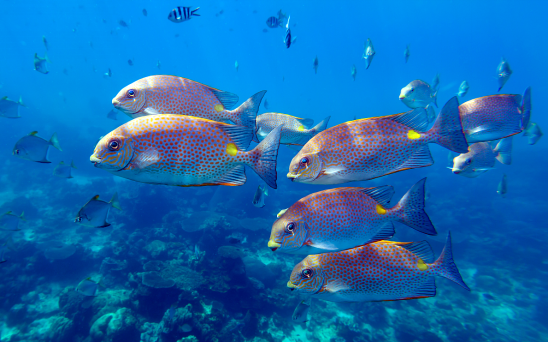
Warmer water holds less dissolved oxygen. This creates “dead zones” where marine life cannot survive, forcing species to migrate toward cooler poles, which disrupts commercial fisheries and local food security.
| Impact Factor | Mechanism | Consequence |
|---|---|---|
| Thermal Expansion | Molecular kinetic energy | Rising sea levels |
| Deoxygenation | Reduced gas solubility | Marine habitat loss |

Sea Ice Melting and Coral Atrophy
The cryosphere and coral reefs represent two of the most sensitive indicators of oceanic health. The melting of sea ice reduces the Earth’s albedo effect, causing the ocean to absorb even more heat, creating a dangerous positive feedback loop.
The Albedo Feedback Loop
Sea ice reflects a significant portion of incoming solar radiation. As this ice retreats, darker ocean water is exposed, absorbing more heat. This accelerates the warming of polar regions, which in turn alters global ocean circulation currents, such as the Atlantic Meridional Overturning Circulation (AMOC).
Coral Bleaching and Structural Collapse
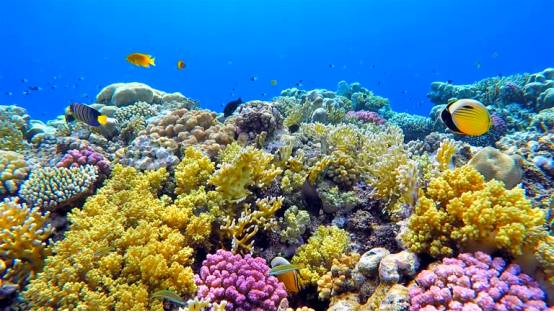
Coral reefs are highly sensitive to thermal anomalies. Sustained warming forces corals to expel their symbiotic algae, zooxanthellae, leading to bleaching. If the stress persists, the coral tissue dies, leaving behind a calcium carbonate skeleton that eventually erodes, causing a total collapse of the reef ecosystem.
Frequently Asked Questions (FAQ)
- Q1: How does ocean warming affect the intensity of hurricanes?
- Warmer ocean surfaces provide more latent heat energy to the atmosphere. This energy acts as fuel for tropical cyclones, allowing them to intensify rapidly and carry higher volumes of moisture, leading to more destructive landfall events.
- Q2: What is the relationship between sea ice loss and ocean circulation?
- Sea ice melt introduces vast amounts of freshwater into the ocean. This lowers salinity and density, which can interfere with the global thermohaline circulation, potentially slowing down the “conveyor belt” that regulates global climate.
- Q3: Can coral reefs recover from bleaching events?
- Recovery is possible if the water temperature returns to normal quickly enough for the coral to re-acquire its symbiotic algae. However, with the frequency of heatwaves increasing, the recovery window for many reefs is closing.
- Q4: Why is ocean stratification a problem for marine life?
- Stratification creates a physical barrier between the nutrient-rich deep ocean and the sunlit surface. This prevents the vertical mixing required to support phytoplankton, which are the foundation of the entire marine food web.

Related Posts