Watering is arguably the most fundamental and critical aspect of successful horticulture. While it might seem like a simple task, the truth is that incorrect watering practices are a leading cause of plant stress, disease, and ultimately, failure. From delicate seedlings to robust fruit trees, every plant has specific hydration requirements that, when met precisely, unlock its full potential for growth, yield, and vitality. This ultimate guide will transform your understanding of plant hydration, moving beyond just “giving water” to mastering the science, art, and strategy behind correctly watering horticultural vegetation. We’ll deep-dive into why water is essential, how to accurately assess your plants’ needs, the best techniques for delivery, and crucial factors that influence your watering regimen, ensuring your green endeavors flourish.
The Science Behind Plant Hydration: Why Water is Essential for Horticultural Vegetation
Water is not merely a thirst quencher for plants; it is the lifeblood that facilitates nearly every physiological process crucial for their survival and growth. Understanding the underlying scientific principles illuminates “the why” behind proper watering and empowers horticulturists to make informed decisions.
Photosynthesis and Nutrient Transport
At the heart of plant life is photosynthesis, the process by which plants convert light energy into chemical energy (sugars). Water is a direct reactant in this process, split to provide electrons and protons. Without sufficient water, photosynthesis grinds to a halt. Furthermore, water acts as the primary medium for transporting essential nutrients from the soil, through the roots, and up to every cell in the plant. Nutrients are dissolved in water and moved via the xylem, ensuring that all parts of the plant receive the building blocks they need.
Turgor Pressure and Structural Integrity
Imagine a plant without rigidity – it would simply collapse. This structural support comes from turgor pressure, the internal water pressure within plant cells. When cells are full of water, they press against their cell walls, making the plant firm and upright. This turgidity is vital for maintaining leaf structure, allowing them to capture sunlight efficiently, and supporting stems. When water is scarce, cells lose turgor, leading to wilting, a visible sign of distress.
Temperature Regulation and Transpiration
Plants, like animals, need to regulate their temperature. They achieve this primarily through transpiration, the process where water vapor is released from small pores (stomata) on their leaves. This evaporation has a cooling effect, much like sweating in humans, preventing the plant from overheating, especially during hot, sunny conditions. While essential for cooling and nutrient uptake, excessive transpiration without adequate water replenishment can lead to dehydration.
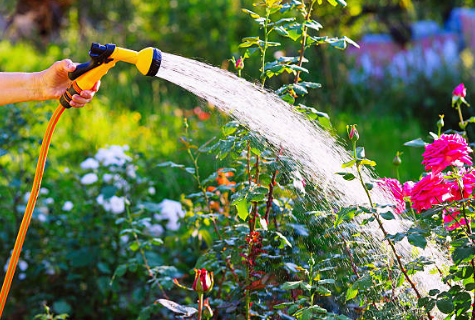
Understanding Your Plants’ Thirst: Signs and Signals of Proper Watering Needs
One of the most common pitfalls in horticulture is misinterpreting a plant’s watering needs. Both underwatering and overwatering can lead to similar-looking symptoms, making accurate diagnosis crucial. Learning to read your plants and their environment is key to avoiding these issues.
Visual Cues of Underwatering
- Wilting Leaves: The most obvious sign. Leaves lose turgor, become limp, and may droop.
- Dry, Crumbly Soil: The top few inches of soil feel completely dry to the touch and might pull away from the pot edges.
- Stunted Growth: Overall growth slows significantly, and new leaves are smaller than usual.
- Yellowing or Browning Leaf Edges: Leaves may turn yellow, especially at the tips and margins, eventually browning and becoming crispy.
- Premature Leaf Drop: Plants may shed lower leaves to conserve moisture.
Visual Cues of Overwatering
- Yellowing Leaves (often starting from the bottom): While similar to underwatering, overwatered leaves often feel soft and mushy, not crispy.
- Stunted Growth with Soft Stems: The plant appears unhealthy and lacks vigor, and stems may feel soft or squishy.
- Foul Odor from Soil: A musty or rotten smell indicates anaerobic conditions and potential root rot.
- Edema: Small, water-soaked blisters or bumps on leaves, especially on the undersides.
- Root Rot: The roots turn dark, soft, and mushy, indicating fungal or bacterial infection due to lack of oxygen. This is often the ultimate consequence.
The Finger Test and Moisture Meters
The simplest and often most reliable method for checking soil moisture is the “finger test.” Insert your index finger about 2-3 inches into the soil (or up to your knuckle). If the soil feels dry at that depth, it’s likely time to water. For more precision, especially with larger plants or specific crops, a soil moisture meter can provide a quantitative reading, helping you avoid guesswork.
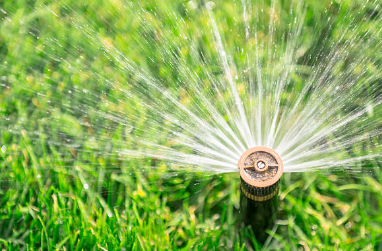
Optimal Watering Techniques for Diverse Horticultural Plants
The method you choose to deliver water to your plants can significantly impact their health and efficiency of water use. Different techniques are suited for various plant types, garden layouts, and environmental conditions.
Top Watering vs. Bottom Watering
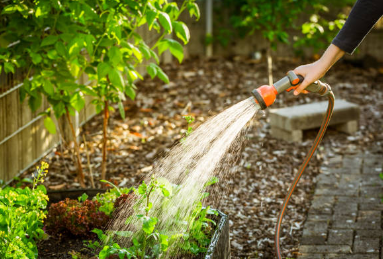
Top Watering: This is the most common method, where water is applied to the soil surface. It’s effective for leaching salts and ensuring even moisture distribution. However, care must be taken to avoid splashing leaves, which can promote fungal diseases, and to ensure water penetrates deeply rather than running off.
Bottom Watering: Often used for potted plants, this involves placing the pot in a tray of water and allowing the plant to absorb moisture from the bottom up. This method encourages deep root growth, prevents soil compaction, and keeps foliage dry. It’s excellent for delicate seedlings or plants prone to leaf diseases.
Drip Irrigation Systems
Drip irrigation delivers water slowly and directly to the root zone of plants, minimizing evaporation and runoff. This highly efficient method conserves water, reduces weed growth (as dry areas between plants don’t support weeds), and prevents fungal diseases by keeping foliage dry. It’s ideal for rows of vegetables, orchards, and permanent plantings.
Soaker Hoses and Sprinklers
Soaker Hoses: These porous hoses slowly weep water along their entire length, providing a gentle, consistent soak directly to the soil. They are more efficient than sprinklers for garden beds and rows as they reduce water loss to evaporation and wind drift.
Sprinklers: While convenient for large areas like lawns, sprinklers are generally less efficient for horticultural plants due to significant water loss from evaporation and uneven distribution. They also wet foliage, increasing the risk of disease, especially if used in the evening.
Deep vs. Shallow Watering: Achieving Root Penetration
Always aim for deep watering. Shallow watering encourages roots to stay near the surface, making the plant more susceptible to drought. Deep watering, where water penetrates several inches into the soil, encourages roots to grow deeper, making the plant more resilient and better able to access nutrients and moisture during dry spells.
| Watering Method | Pros | Cons | Best For |
|---|---|---|---|
| Top Watering | Easy, leaches salts | Can cause runoff, wets foliage, compaction | Most general garden plants, established beds |
| Bottom Watering | Encourages deep roots, keeps foliage dry | Slower, salt buildup in soil surface | Potted plants, seedlings, plants prone to fungal issues |
| Drip Irrigation | Highly efficient, conserves water, reduces weeds | Higher initial setup cost, can clog | Vegetable rows, permanent plantings, arid climates |
| Soaker Hose | Efficient, keeps foliage dry, easy setup | Less precise than drip, can be bulky | Garden beds, hedges, rows of plants |
| Sprinkler | Covers large areas quickly | High evaporation, wets foliage, uneven distribution | Lawns, very large garden areas (less ideal for precise horticulture) |
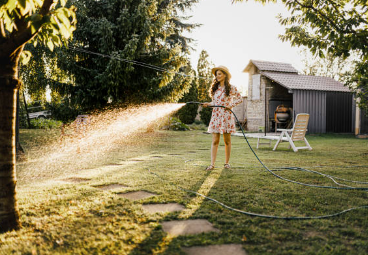
Factors Influencing Watering Frequency and Volume
There’s no universal watering schedule because numerous factors dictate how much and how often a plant needs water. Successful watering requires constant observation and adaptation to these variables.
Plant Species and Growth Stage
Different plant species have vastly different water requirements. Cacti and succulents thrive on infrequent watering, while ferns and many tropical plants demand consistently moist soil. Even within the same species, water needs change with growth stage: seedlings require frequent, gentle watering; mature fruiting plants often need more water during fruit development; and dormant plants need very little.
Soil Type and Drainage
The type of soil significantly affects water retention. Sandy soils drain quickly and require more frequent watering but in smaller amounts. Clay soils hold water for longer periods, necessitating less frequent but deeper watering to avoid waterlogging. Loamy soils offer a good balance, providing adequate drainage while retaining sufficient moisture.
Container Size vs. In-Ground Planting
Plants in containers dry out much faster than those planted in the ground. Smaller pots have less soil volume to retain moisture, requiring more frequent watering. The material of the pot also plays a role; terracotta pots are porous and promote evaporation, while plastic pots retain moisture longer. In-ground plants benefit from the larger soil reservoir and often require less frequent watering once established.
Environmental Conditions (Temperature, Humidity, Wind, Sunlight)
Environmental factors are powerful drivers of water demand. Hot temperatures, low humidity, and strong winds increase transpiration rates, meaning plants will dry out faster and need more water. Conversely, cool, humid, and cloudy conditions reduce water demand. Plants in full sun will invariably require more water than those in partial shade.
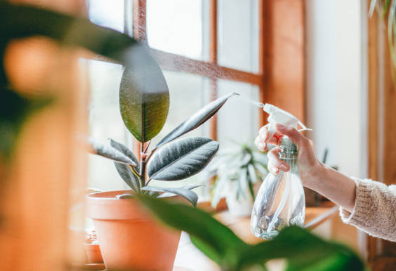
Common Watering Mistakes and How to Avoid Them
Even experienced gardeners can fall prey to common watering errors. Recognizing and rectifying these mistakes is crucial for maintaining plant health and maximizing your horticultural success.
Watering at the Wrong Time of Day
The best time to water is in the early morning. This allows the water to soak into the soil before the heat of the day causes excessive evaporation. It also gives foliage time to dry before evening, reducing the risk of fungal diseases. Watering in the middle of the day leads to significant water loss through evaporation, while watering in the evening leaves plants wet overnight, creating a prime environment for pathogens.
Inconsistent Watering Practices
Plants thrive on consistency. Erratic watering – periods of extreme dryness followed by drenching – stresses plants more than consistently slightly dry or slightly moist conditions. This inconsistency can lead to blossom end rot in tomatoes, fruit splitting, and overall plant decline. Establish a routine based on observation, and stick to it as much as possible, adjusting only for significant environmental changes.
Ignoring Soil Moisture Levels
Relying solely on a calendar or visual cues without checking actual soil moisture is a recipe for disaster. Always perform the finger test or use a moisture meter before watering. The top layer of soil might look dry, but deeper down, it could still be adequately moist. Conversely, the surface might appear moist, but a dense root ball could be bone dry underneath.
Using Hard Water or Chlorinated Water
Tap water often contains chlorine, chloramines, or high levels of dissolved minerals (hard water) which can be detrimental to sensitive plants over time. Chlorine and chloramines can dissipate if water is left to sit in an open container for 24 hours. For hard water, using rainwater or filtered water is ideal, especially for houseplants or acid-loving plants. Excess mineral buildup can alter soil pH and hinder nutrient uptake.
Pro Tips for Advanced Horticultural Watering
Elevate your watering game with these expert strategies designed to optimize plant health and water efficiency.
Rainwater Harvesting and Conservation
Rainwater is naturally soft, free of chlorine, and contains beneficial trace elements, making it ideal for all plants. Installing a rain barrel to collect runoff from your roof is an excellent way to conserve water and provide your plants with superior hydration. Utilize mulch extensively in garden beds to reduce evaporation and maintain consistent soil moisture.
Automated Watering Systems (Smart Irrigation)
For larger gardens or busy horticulturists, smart irrigation systems offer unparalleled convenience and efficiency. These systems can be programmed to deliver precise amounts of water at optimal times, often integrating with weather sensors to adjust schedules based on rainfall and temperature. This prevents overwatering and ensures plants receive exactly what they need.
Understanding pH and Water Hardness
The pH of your water can significantly impact nutrient availability in the soil. Most horticultural plants prefer slightly acidic to neutral water (pH 6.0-7.0). If your tap water is consistently alkaline (high pH) or very hard, it can lead to nutrient deficiencies over time. Regularly testing your water and soil pH can help you make necessary adjustments, such as adding a small amount of vinegar to alkaline water for acid-loving plants.
The Role of Mulch in Moisture Retention
Mulch is an indispensable tool for water conservation. A 2-4 inch layer of organic mulch (e.g., wood chips, straw, compost) around your plants significantly reduces soil moisture evaporation, suppresses weeds (which compete for water), and moderates soil temperature. This means less frequent watering and healthier plants, especially during hot, dry periods.
Frequently Asked Questions (FAQ)
- How often should I water my plants?
- There’s no fixed schedule; it depends on the plant type, soil, container size, and environmental conditions. The best approach is to check the soil moisture regularly using the “finger test” (inserting your finger 2-3 inches deep) or a moisture meter. Water when the top few inches of soil feel dry.
- Is it better to water deeply or frequently?
- Always aim for deep watering. Deep watering encourages roots to grow further down, making the plant more resilient to drought and better able to access nutrients. Frequent, shallow watering leads to shallow root systems, making plants more dependent on constant surface moisture.
- What are the signs of overwatering versus underwatering?
- Both can cause yellowing leaves and wilting. Overwatered plants often have soft, mushy, or stunted growth, and a foul smell may emanate from the soil (due to root rot). Underwatered plants typically have crispy, dry leaves, and the soil will feel very dry and pull away from the pot edges. Check soil moisture to confirm.
- Can I use tap water for all my horticultural plants?
- While many plants tolerate tap water, some sensitive species can be negatively affected by chlorine, chloramines, or high mineral content (hard water). For sensitive plants, letting tap water sit for 24 hours to dissipate chlorine, or using rainwater or filtered water, is preferable. Monitor for signs of mineral buildup or leaf burn.
- When is the best time of day to water plants?
- The ideal time to water is in the early morning. This allows the water to penetrate the soil before the heat of the day causes significant evaporation and gives foliage ample time to dry before nightfall, reducing the risk of fungal diseases. Avoid watering in the evening if possible.

Related Posts